
EN | JP
EN | JP
An introduction to Broadway’s Tony Awards and a guide to past winners.

The Tony Awards are the most prestigious honors in American theatre, celebrating the year’s outstanding Broadway productions, artists, and creative teams. Alongside the Academy Awards (film), Grammy Awards (music), and Emmy Awards (television), the Tonys are one of the most important accolades in U.S. entertainment.
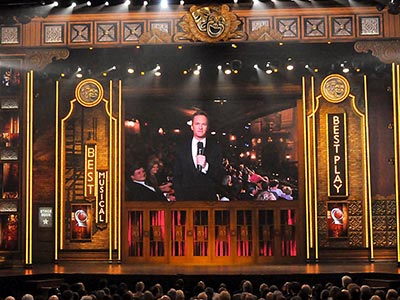 Eligible shows are productions that open within the season’s defined window in one of the approximately 41 theatres designated as “Broadway” by the Broadway League. Each season has a specific eligibility period (for example, late April of one year through late April of the next).
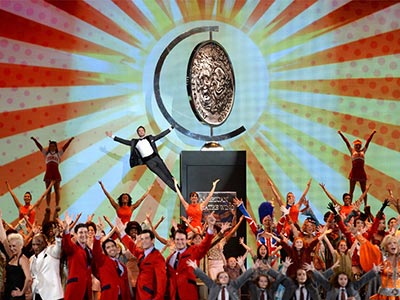 The Tony Awards began in 1947 and have grown into a major annual ceremony. Nominations are typically announced in May (carried live by theatre outlets such as Playbill), and the awards ceremony is held in June in New York City.
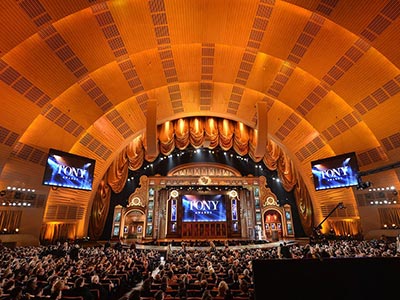 A limited allotment of tickets is sometimes made available to the public in the weeks leading up to the ceremony. Availability and timing vary by year; if you’d like help securing tickets, please contact us through the page below.
At Broadway offers complete lists of winners and nominees from 1949 to the present, including Special Tony Award recipients. Use the link below to see each year’s nominees, winners, and additional categories.
When the Tonys began in 1947, only the board of the nonprofit American Theatre Wing voted. Today, the voting body has grown to roughly 800+ theatre professionals, including representatives from:
Because a Tony win can strongly influence sales and tourism, discussion around the balance between commercial impact and artistic merit is common each season.
The ceremony traditionally opens with a special performance by the host, so each year’s host selection draws attention. Hosting duties often go to multifaceted artists—performers who also write, direct, or produce—and being tapped as host is considered a major honor that can boost a career. (For example, Hugh Jackman hosted in 2014; James Corden hosted in 2019.)
The official name is the Antoinette Perry Award for Excellence in Broadway Theatre. It honors Antoinette “Tony” Perry—an actor, director, producer, and co-founder of the American Theatre Wing. The first awards were held in 1947, a year after her passing.
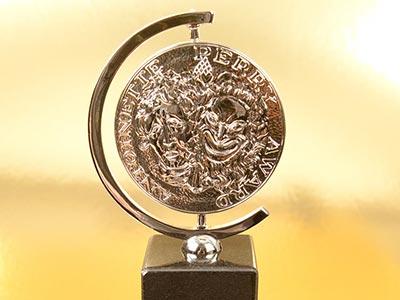 The familiar rotating medallion trophy was first presented at the third Tony Awards in 1949 and was designed by theatre architect and designer Herman Rosse. The medallion displays the masks of comedy and tragedy on one side and the name of the award on the other, and recipients’ names, categories, productions, and years are engraved. (Exact dimensions and weight vary by era/version.)
Today’s Tonys recognize both Musicals and Plays, with two dozen core competitive categories plus Special Tony Awards (which can vary by year). A musical tells its story through dialogue and songs/dance; a play tells its story primarily through spoken dialogue. Category names and rules are occasionally updated.
Awarded to the season’s most outstanding new musical.
Honors the musical’s script/libretto.
For the best Broadway revival of a previously produced musical.
Leading actor in a musical.
Leading actress in a musical.
Featured (supporting) actor in a musical.
Featured (supporting) actress in a musical.
Set/scenic design for a musical.
Costume design for a musical.
Lighting design for a musical.
Director of a musical.
Music and/or lyrics written for the theatre for an eligible new production.
Choreographer of a musical or play with significant dance.
Orchestration/arrangements for an eligible production.
Season’s most outstanding new play.
Best Broadway revival of a previously produced play.
Leading actor in a play.
Leading actress in a play.
Featured (supporting) actor in a play.
Featured (supporting) actress in a play.
Director of a play.
Set/scenic design for a play.
Costume design for a play.
Lighting design for a play.
Honors the outstanding achievements of a theatre outside New York City.
Recognizes substantial volunteer and humanitarian contributions by a member of the theatre community.
Honors a lifetime of distinguished contributions to the theatre.
Recognizes individuals or organizations whose work falls outside regular competitive categories.
Presented at the discretion of the Tony Awards to honor significant achievements not covered elsewhere.
 Best Musical Winners (By Year)
Explore every Best Musical winner since the Tonys began in 1947 (the Best Musical category was first awarded in 1949).
 |
 |
 |
 |
|
Aladdin |
|
Wicked |
|
MJ The Musical |
|
Chicago |

|
The Lion King |
|
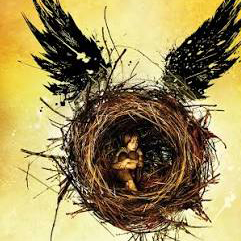
Harry Potter |