EN | JP
EN | JP
An easy guide to the history of New York and Broadway musicals
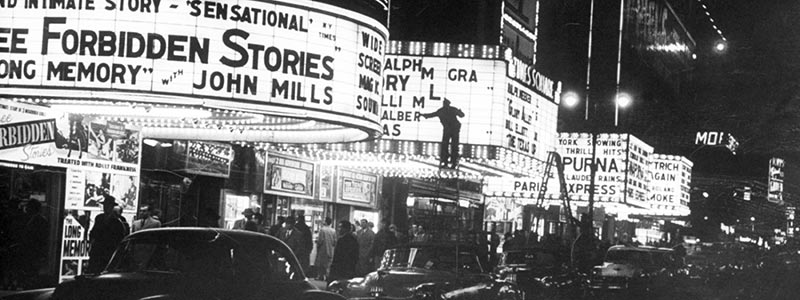
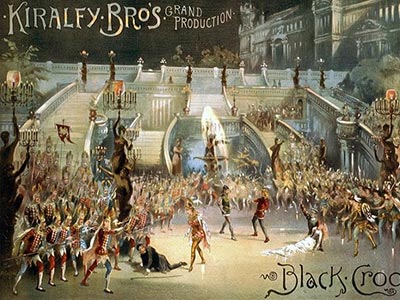 The story of Broadway musicals is often traced to the rise of purpose-built theaters around Times Square. Theatre mogul Oscar Hammerstein I opened the 1,000-seat Victoria Theatre on the corner of 42nd Street and Seventh Avenue at the end of the 19th century, and it soon became a popular home for vaudeville variety entertainment.
 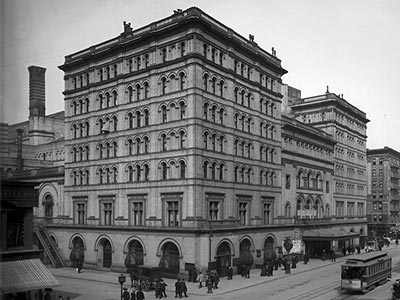 Before vaudeville took off, opera dominated popular entertainment. In 1883, the original Metropolitan Opera House rose at Broadway and 39th Street. What had been considered an elite art form quickly reached wider audiences, and its success helped seed what became the Broadway “Theater District.”
 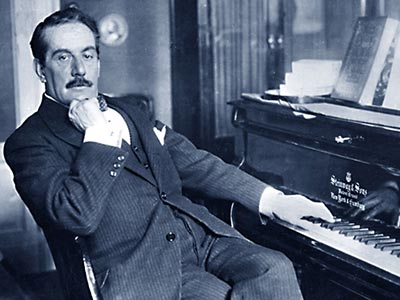 Opera left a deep imprint on today’s Broadway musicals, and a towering figure is Giacomo Puccini. Later Broadway hits drew inspiration from his works. For example, themes from Puccini echo in the Pulitzer-winning “Rent,” and the Vietnam-era epic “Miss Saigon” is often compared with the tragic arc of “Madama Butterfly.”
 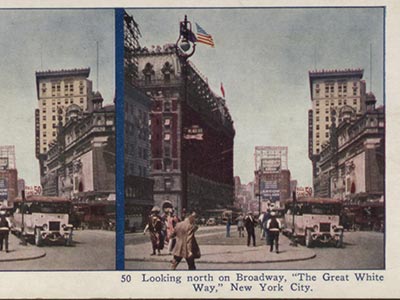 In the early 1900s, theaters lit their marquees with brilliant white bulbs. New York’s subway opened in 1904, and by 1910 service reached the theater district, accelerating its growth. The glow of the lights earned Broadway the nickname “The Great White Way.” The phrase still appears in songs and articles about Broadway.
In the early 20th century, large houses that still operate today were built in and around Broadway.
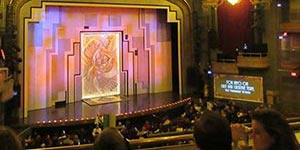
Lyric Theatre
Opened: October 12, 1903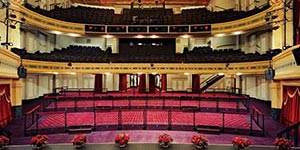
Hudson Theatre
Opened: October 19, 1903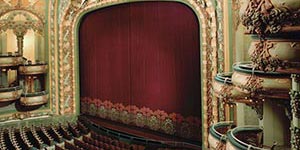
New Amsterdam Theatre
Opened: October 23, 1903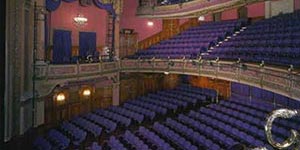
Lyceum Theatre
Opened: November 2, 1903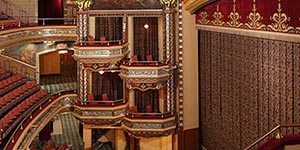
Belasco Theatre
Opened: October 16, 1907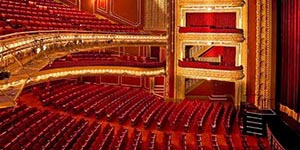
Lunt-Fontanne Theatre
Opened: January 10, 1910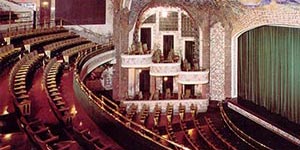
Winter Garden Theatre
Opened: March 10, 1911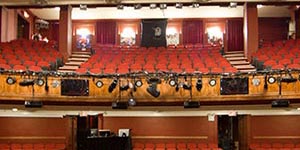
Hayes Theater
Opened: March 12, 1912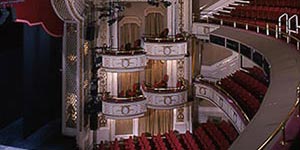
Cort Theatre
Opened: December 20, 1912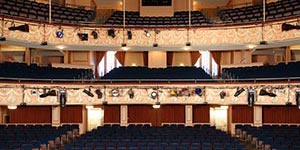
Longacre Theatre
Opened: 1913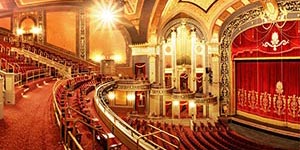
Palace Theatre
Opened: March 24, 1913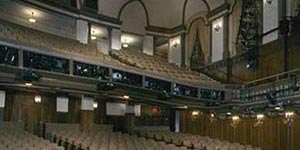
Booth Theatre
Opened: October 16, 1913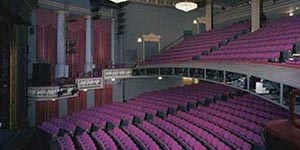
Broadhurst Theatre
Opened: September 27, 1917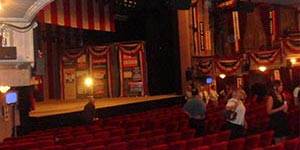
Gerald Schoenfeld Theatre
Opened: October 10, 1917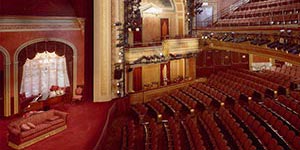
Todd Haimes Theatre
Opened: 1918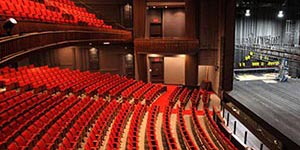
Stephen Sondheim Theatre
Opened: 1918By the 1920s, Broadway saw a wave of great songwriters: Cole Porter (“Anything Goes,” “Kiss Me, Kate”), George Gershwin (“Porgy and Bess”), and Rodgers and Hammerstein with classics including “South Pacific,” “The King and I,” “The Sound of Music,” “Carousel,” and “Oklahoma!” These works remain beloved today.
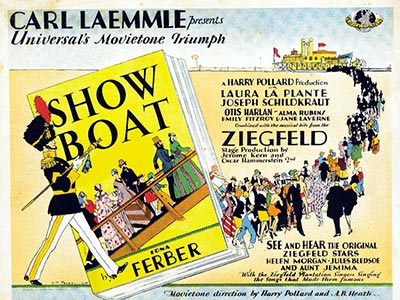 A turning point came with “Show Boat” in 1927. Earlier shows often favored light stories and happy endings. “Show Boat” wove complex drama and themes of racial prejudice into a sweeping American story set on a Mississippi River show boat, raising the artistic ambition of the musical.
The 1929 crash led to a sharp economic downturn. As recovery took hold, Rodgers and Hammerstein’s “Oklahoma!” opened in 1943 and ran 2,212 performances, a landmark success. Soon after came “Carousel” in 1945 and “Annie Get Your Gun” in 1946, shows that generations still cherish.
In 1947, the Tony Awards were established as the highest honor in American theatre, further energizing Broadway. At the inaugural ceremony, legendary actor Ingrid Bergman won Best Actress in a Play.
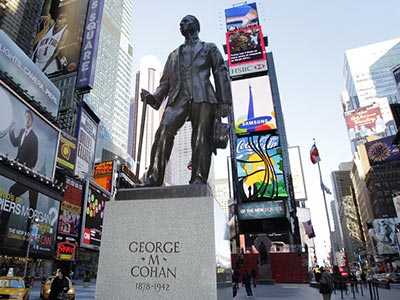 During the war years, shows began tackling contemporary themes. “South Pacific” won Best Musical at the 4th Tony Awards, and “The Sound of Music” later joined the canon of era-defining works. The period also coincided with the influence of George M. Cohan, often called the father of Broadway musicals.
Before Broadway musicals fully took root in Times Square, popular entertainment centered on vaudeville variety bills of dance, song, magic, comedy, and more.
Vaudeville reached New York audiences in force thanks in part to George M. Cohan whose career spanned playwriting, composing, lyric writing, acting, singing, and dancing. A savvy showman, he helped turn variety entertainment into mainstream theatre and became a patriotic voice through his music. His statue still stands at the heart of Times Square.
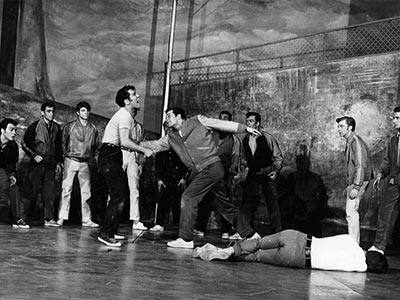 Postwar prosperity in the 1940s and 1950s fueled a creative boom. Shows reflected social realities and new American identities. Landmark titles included “West Side Story,” a New York tale of young love across immigrant communities, and “The Pajama Game,” which explored labor issues. In the Vietnam era, “Hair” captured the spirit of protest.
 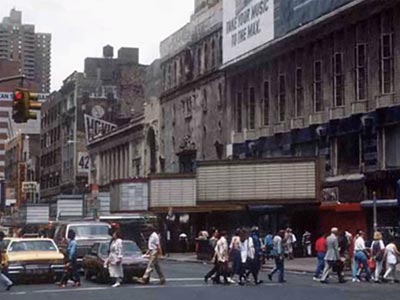 Until the early 1990s, New York City faced high crime rates, and the 42nd Street area was notorious for vice and decay. Even Times Square and blocks surrounding Broadway, which welcome tens of millions of visitors today, were once considered unsafe, with adult businesses crowding the streets. Major houses near 42nd Street fell into disuse and many blocks were lined with metal shutters.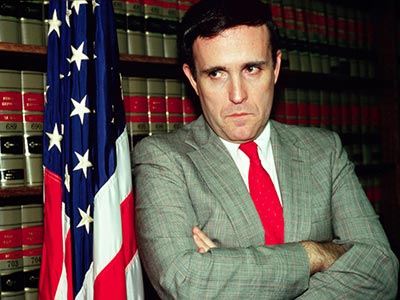
1. Make the city safer by preventing crime and improving quality of life
2. Streamline government and energize the economy
3. Expand private-sector jobs through economic development
The administration adopted “zero tolerance” strategies that punished violations swiftly to restore order. While debated, the approach, informed by the broken windows theory, aimed to deter serious crime by addressing smaller offenses. Giuliani, drawing on his earlier experience leading major prosecutions, worked closely with the NYPD and appointed criminologist George L. Kelling as an adviser.
These efforts helped reduce major crimes dramatically. Compared with peak levels in 1990, homicide rates fell to a small fraction of their former level. Today, with around forty thousand officers citywide, New York is widely known as one of the safest large cities in the United States, drawing visitors from around the world.
As part of the revival, the city encouraged a family-friendly Broadway. The New Amsterdam Theatre was offered to The Walt Disney Company to restore and operate, helping transform the area into a destination welcoming to all ages.
 Disney simultaneously renovated the New Amsterdam and, in 1994, opened “Beauty and the Beast” at the Palace Theatre. Critics were mixed and the show’s Tony wins were limited, but its commercial success signaled Broadway’s resurgence. After the New Amsterdam restoration was completed, Disney launched “The Lion King” there in 1997.
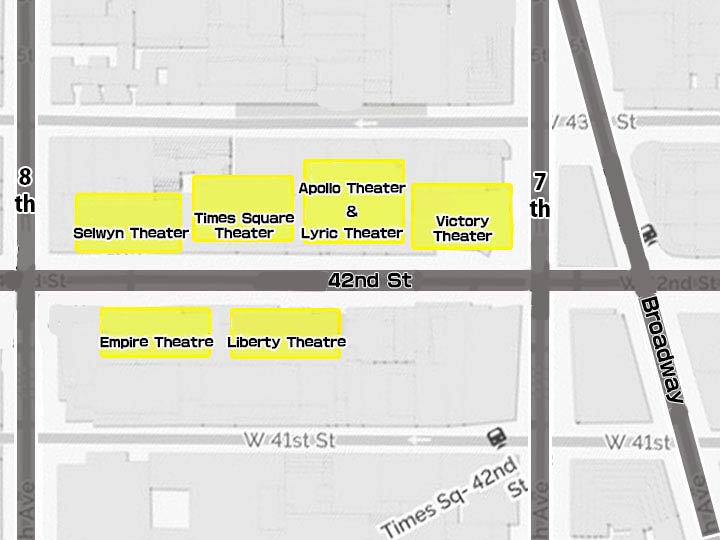 Founded by New York State and City in 1990, The New 42nd Street organization led the redevelopment of seven historic theaters between Seventh and Eighth Avenues: the Victory, Apollo, Lyric, Times Square, Selwyn, Liberty, and Empire.
 Within the Theatre District, where about fifty houses cluster together, few new large venues were added after the Marquis Theatre opened in 1986. To meet growing demand, Theatre Row opened in 2000 and New World Stages began presenting shows in 2004 after being converted from a former cinema.
Following the 2001 attacks, audiences gravitated toward uplifting comedies. “The Producers” and “Spamalot” were runaway hits. From 2005 onward, adaptations of popular films increased on Broadway, alongside a steady stream of original works. Reflecting the times while reinventing itself, Broadway keeps audiences coming back.
Broadway is a major economic engine for New York. According to The Broadway League, more than thirteen million people attend in a typical year, with roughly half visiting from outside the New York area and a significant share arriving from overseas. To support the performing arts, admission charges to qualifying live dramatic and musical arts performances are exempt from New York State and New York City sales tax.
You can purchase tickets online in advance of your trip. Check each show page for available discount offers.
Use the links below to learn about Broadway theater seating and the major theater organizations that keep shows running.

 Broadway Musical Discount Tickets On Sale Now
Find the best Broadway ticket deals right here faster, cheaper, and backed by local expertise. Get ready to experience the magic of Broadway!

 |
 |
 |
 |
|
Aladdin |
|
Wicked |
|
MJ The Musical |
|
Chicago |

|
The Lion King |
|
Harry Potter |