EN | JP
EN | JP
Broadway is at the heart of New York theater. In this guide, you’ll learn what “Broadway” really means, how it developed, the difference between Broadway and Off-Broadway, and how to find discount tickets for world-famous shows.
This page is an in-depth guide for readers who want to learn more about Broadway. If you’d prefer a quick, simple overview of what Broadway is and how to buy discount tickets, check the page below first.
It explains in plain English what Broadway means, the different types of theater seating, how to find discount tickets, and basic theater etiquette.
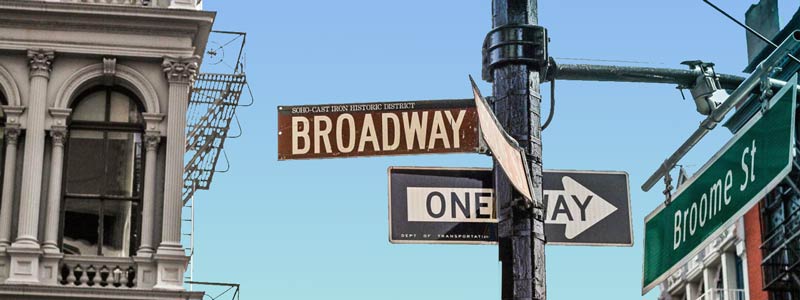
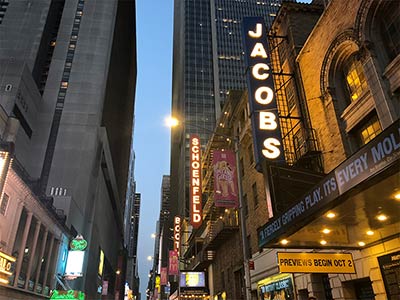 “Broadway” is also the name of the famous avenue that runs diagonally through Manhattan. But when people talk about Broadway shows, they generally mean productions presented in Broadway theaters, most of which are located in the Theater District around Times Square.
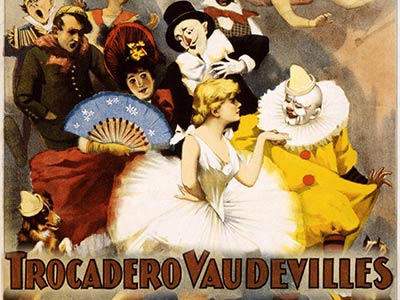 The roots of the modern musical can be traced back to opera. During the late Renaissance, artists and scholars in Florence developed forms of musical drama inspired by Greek mythology.
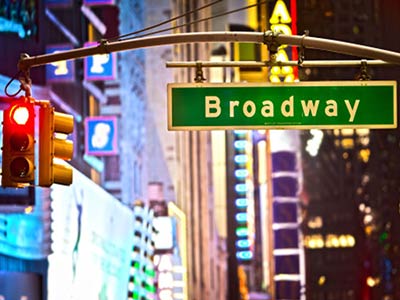 The name “Broadway” comes from the Dutch phrase Brede weg, meaning “broad road.”
Understanding Manhattan’s early history helps explain how Broadway developed.
In 1609, the Dutch East India Company hired English explorer Henry Hudson to search for a northwest passage to Asia. After reaching Manhattan and trading with local peoples for beaver and otter pelts, the Dutch later established the colony of New Netherland and founded a settlement at the southern tip of the island. In 1625, they established the town of New Amsterdam.
Dutch settlers traveling from New Amsterdam in the south to farms in the north used the Wickquasgeck Trail and called it “Heerestraat.” That route later became Broadway, originally serving as a practical road connecting the southern settlement with farmland to the north.
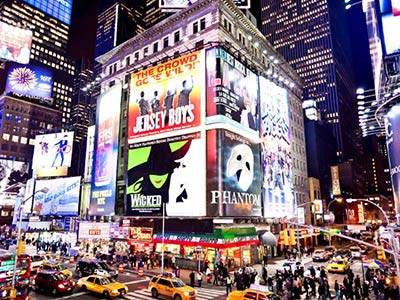 Today, Broadway still runs the length of Manhattan, but the name is also closely associated with the Theater District around Times Square.
When people say “Broadway shows,” they usually mean productions presented in Broadway theaters. You’ll also hear the terms Off-Broadway and Off-Off-Broadway. These categories are primarily defined by the number of seats in the theater.
Broadway theaters have 500 seats or more, while Off-Broadway theaters generally have 100–499 seats. Smaller Off-Broadway and Off-Off-Broadway venues often present more experimental or unconventional productions, some of which become breakout hits and later transfer to Broadway.
Here are a few well-known productions that started Off-Broadway and later transferred to Broadway.

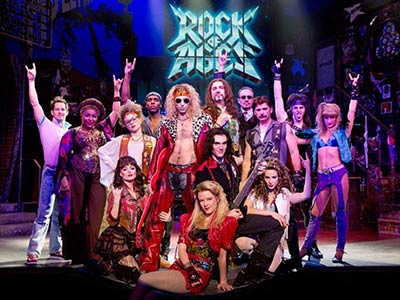
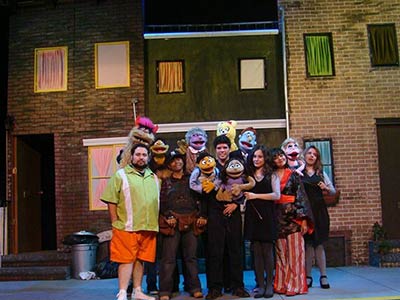

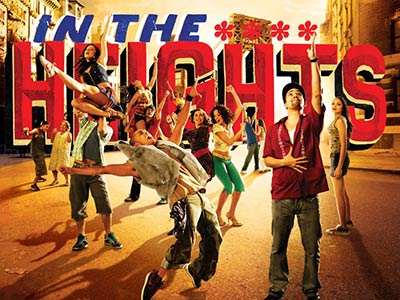
Off-Broadway has been home to many long-running productions. The Fantasticks opened at the Sullivan Street Playhouse in 1960 and ran for an astonishing 42 years, totaling 17,162 performances — far exceeding the longest single run of any Broadway production.
Other notable long-running Off-Broadway productions include Blue Man Group, which opened in 1991, and STOMP, which opened in 1994.
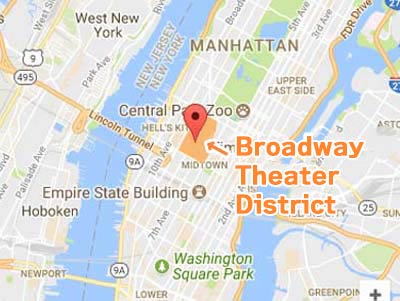 The Theater District is the area around Times Square, roughly between Sixth and Eighth Avenues and West 40th and West 54th Streets. It is one of New York’s main entertainment hubs, home to Broadway theaters as well as cinemas, restaurants, and hotels.
In the context of musicals and plays, “Broadway” refers to productions presented in designated Broadway theaters in New York City, most of which are concentrated around Times Square. Around 41 Broadway theaters are located in the city, with numerous shows playing throughout the year. Read more about the definition of Broadway.
Off-Broadway refers to productions presented in Manhattan theaters with 100–499 seats. They are distinct from Broadway theaters, which have 500 or more seats, and Off-Off-Broadway theaters, which have fewer than 100 seats. Learn more about the differences between Broadway and Off-Broadway.
The Theater District is the central Manhattan area around Times Square, covering roughly Sixth to Eighth Avenues and West 40th to West 54th Streets, where most Broadway theaters are located. Learn more about the Theater District.
 Broadway Musical Discount Tickets – On Sale Now!
Find the best Broadway ticket deals right here – faster, cheaper, and backed by local expertise. Get ready to experience the magic of Broadway!

 |
 |
 |
 |
|
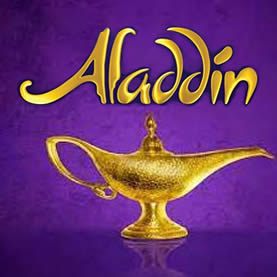
Aladdin |
|
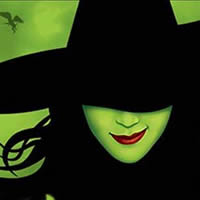
Wicked |
|
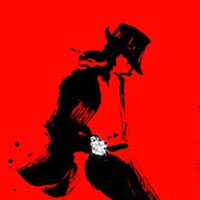
MJ The Musical |
|
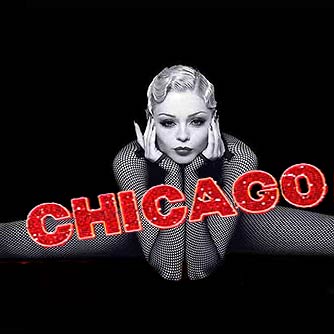
Chicago |
|
The Lion King |
|
Harry Potter |