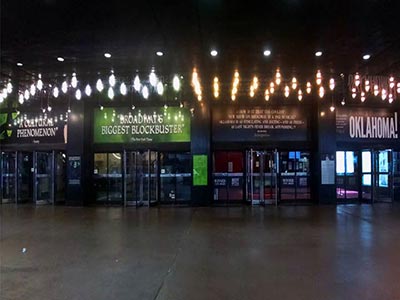
Address, opening, capacity of Gershwin Theatre
Basic Information about the Gershwin Theatre in NYC
|
Address: |
222 W 51st St, New York, NY 10019(
Map )
Located on 50th and 51st Street, between Broadway and 8th Avenue
*You can enter the theater from either 50th Street or 51st Street.
|
|
Opened: |
1972 |
|
Capacity: |
1,933 seats |
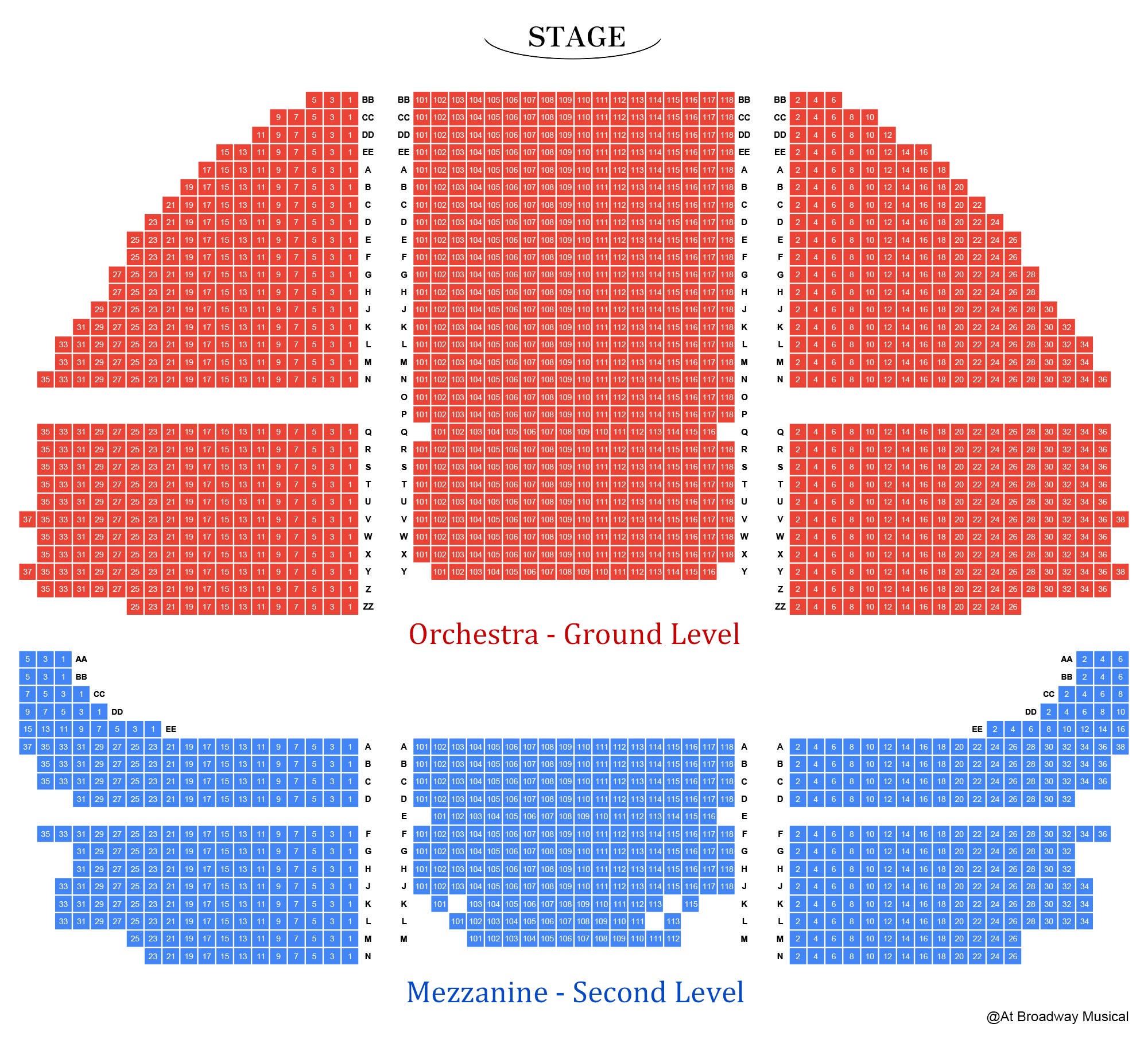
Seating Chart of Gershwin Theatre
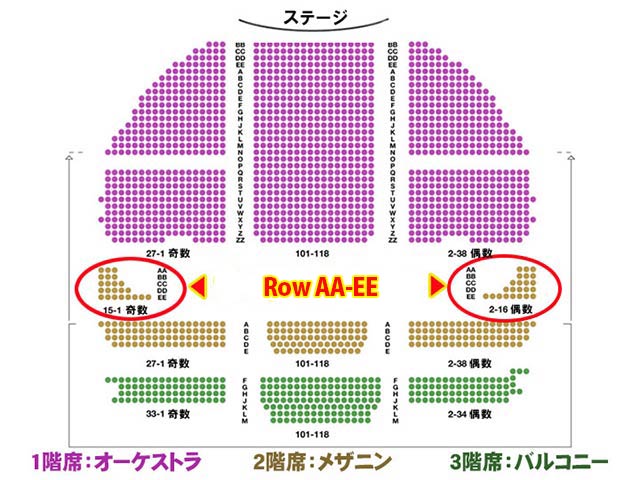
The Gershwin Theatre has a seating capacity of 1,933 seats, divided into three main sections: Orchestra (1st level), Front Mezzanine (2nd level), and Rear Mezzanine (2nd level).
*Click to view larger image
View from the seat of Gershwin Theatre
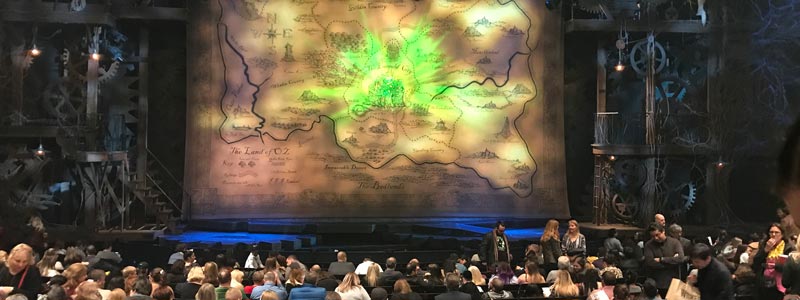
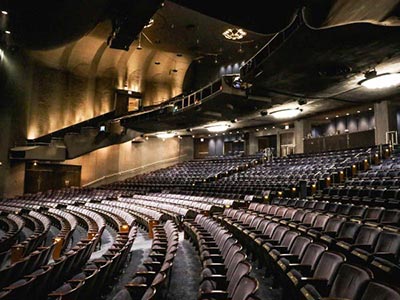
You can view real seat photos from inside the the Gershwin Theatre to see the stage from sections. These images help you choose the seating option that best suits your Broadway experience.
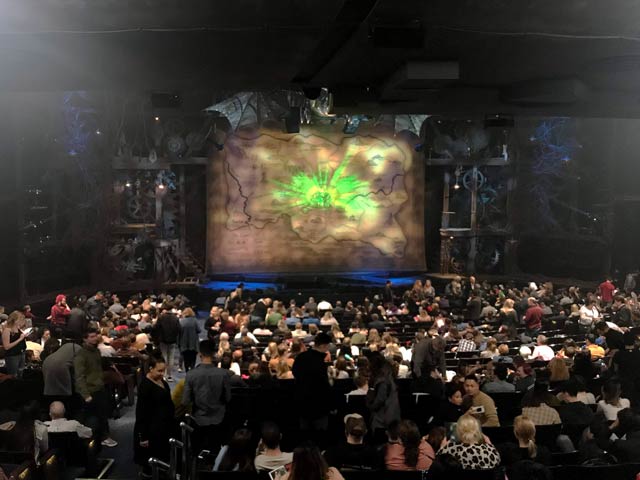
Orchestra Center Row U
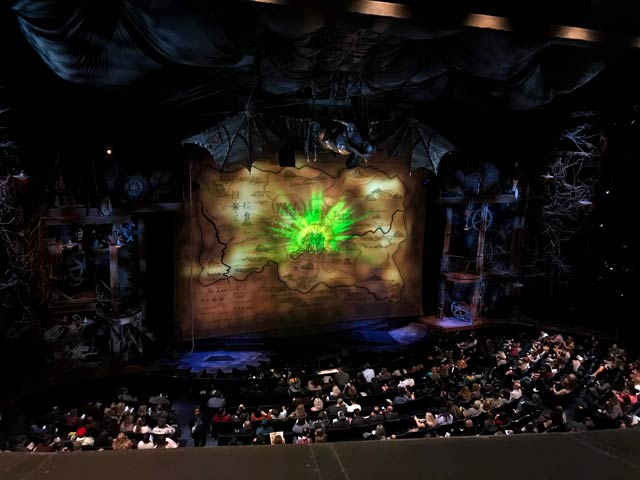
Mezzanine Side Row A
Directions to Gershwin Theatre
Access to Gershwin Theatre are most commonly by taking the New York City Subway (MTA).
The area around the theatre becomes very crowded close to showtime, so whether you are arriving by subway or taxi, please allow extra time to reach the venue.
Nearest Subway Station:


 Lines,
7 Avestation (About a 5-minute walk)
Lines,
7 Avestation (About a 5-minute walk)
 Lines,
50 Ststation (About a 5-minute walk)
Lines,
50 Ststation (About a 5-minute walk)
 Lines,
50 Ststation (About a 3-minute walk)
Lines,
50 Ststation (About a 3-minute walk)
Map, location of Gershwin Theatre
Here is the map of the Gershwin Theatre.
Best hotels near the Gershwin Theatre
Discover the best hotels near the Gershwin Theatre. Stay within walking distance of Broadway and enjoy easy access to shows, restaurants, and attractions.
The list of recommended hotels near the theater:
History of the Gershwin Theatre
The largest theater on Broadway today
The Gershwin Theatre opened in 1972 inside the Paramount Plaza building. With
1,933 seats, it is the largest theater on Broadway.
Originally named the Uris Theatre after real estate developers Harold and Percy Uris, the building was designed by Ralph Alswang. His design featured Art Nouveau influences with flowing curves and floral patterns, along with state-of-the-art acoustics for the time.
The first production, the rock musical “Via Galactica,” closed after only 7 performances due to heavy financial losses. From 1974 to 1976 the venue was mainly used as a concert hall, hosting legendary pop and jazz performers.
On June 5, 1983, it was the site of the 37th Tony Awards. That same year, the theater was renamed the Gershwin Theatre to honor the songwriting brothers George and Ira Gershwin. Today it is best known as the long-running home of “Wicked,” which has been playing here since 2003.
A theater designed by a former stage producer
The Uris Theatre was designed in 1972 by Ralph Alswang, who had worked as a producer, filmmaker, and designer. He contributed to over 100 Broadway productions, designing sets, costumes, and lighting.
The theater is located on the second floor of a skyscraper. Alswang believed most audiences preferred orchestra seating, so over two-thirds of the house – 1,280 seats – were built on the orchestra level. The rest were arranged in balconies and side sections that extend outward in place of traditional boxes.
The stage was built for versatility, with removable platforms and the ability to add thrust stages. It was also the first Broadway theater to feature a water curtain. The construction cost was approximately $12.5 million.
About the Gershwin Theatre building
Paramount Plaza, home to two Broadway theaters
Paramount Plaza is a 48-story skyscraper in Midtown Manhattan, built on the site of the former Capitol Theatre movie palace. It was developed in 1970 by the Uris brothers, then among New York’s largest real estate developers.
The building was first called the Uris Building, but after Percy Uris passed away, Harold Uris sold it to National Kinney Corporation. Following financial troubles, it was acquired by the
Paramount Investment Group, which renamed it Paramount Plaza.
Today the complex houses both the Gershwin Theatre and the Circle in the Square Theatre. The upper floors serve as offices for major companies including Warner Music Group, law firms, and financial institutions.
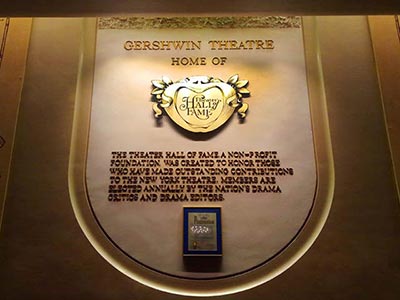
The American Theater Hall of Fame
Just inside the entrance of the Gershwin Theatre is the American Theater Hall of Fame. A monumental wall lists the names of inductees, alongside photos, props, and scripts. Founded in 1971 by Earl Blackwell, James M. Nederlander, Gerald Oestreicher, and Arnold Weissberger, the Hall of Fame honors lifetime achievement in American theater.
To be inducted, one must have a career spanning at least 25 years in the theater. Each year candidates – including actors, playwrights, producers, and designers – are chosen by a vote of 275 members of the American Theater Critics Association. The Hall of Fame is the only nonprofit in the United States officially dedicated to recognizing lifetime achievement in theater, funded by private donations, events, and merchandise sales.
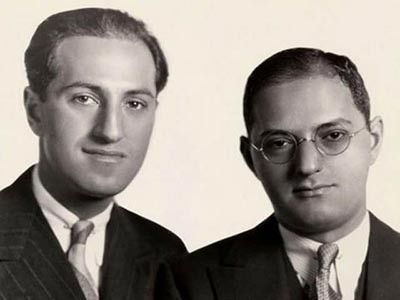
Who was Gershwin brothers?
One of Broadway’s most influential songwriting duo
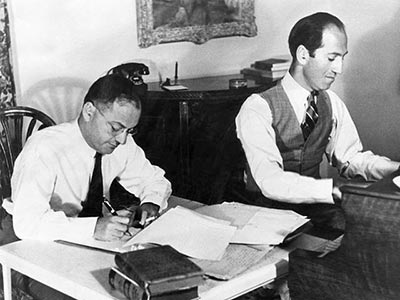
The Gershwin brothers were among the most influential composers of the 20th century. Ira Gershwin wrote the lyrics and George Gershwin composed the music, creating timeless works that blended jazz and classical styles with witty, accessible lyrics.
They were born in Brooklyn, just across the river from Manhattan. Their father originally bought a piano for Ira, but it was George who developed a passion for music and began formal piano and harmony lessons at age 13. By 18, George was already recognized for his talent as a composer.
Ira initially had no involvement in music, working at his father’s bathhouse until 1921. His break came when he was asked to write lyrics for the show “Two Little Girls in Blue,” which he co-created with composer Vincent Youmans. The success launched his career, though he first used a pseudonym so as not to affect George’s reputation as an emerging composer.
Together they made their Broadway debut in 1924 with the musical “Lady, Be Good.” Their many successes include “The Man I Love,” “But Not For Me,” “I Got Rhythm,” and “They Can’t Take That Away from Me.” Their influence on American musical theater was immense.
George died tragically young in 1937 at just 38 years old, ending the duo’s partnership. Ira eventually returned to writing, keeping his brother’s legacy alive. George’s masterpiece “Rhapsody in Blue,” which fused jazz idioms with classical structure, remains one of the most groundbreaking works in music history. Many of his songs have become jazz standards and are still performed worldwide today.
 Broadway Musical Discount Tickets – On Sale Now!
Find the best Broadway ticket deals right here –
faster, cheaper, and backed by local expertise. Get ready to experience the magic of Broadway!

- Get discount tickets easily with instant booking
- The most detailed musical guides and reviews
- Dedicated support throughout your Broadway experience