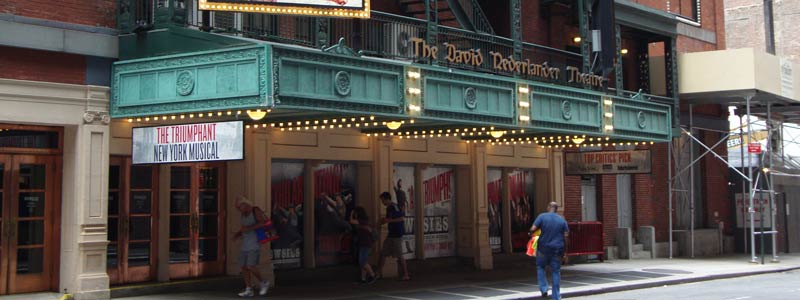
Address, opening, capacity of Nederlander Theatre
Basic Information about the Nederlander Theatre in NYC
|
Address: |
208 W 41st St, New York, NY 10036(
Map )
Located on 41 Street, between 7th Avenue and 8th Avenue
|
|
Opened: |
1921 |
|
Capacity: |
1,232 seats |
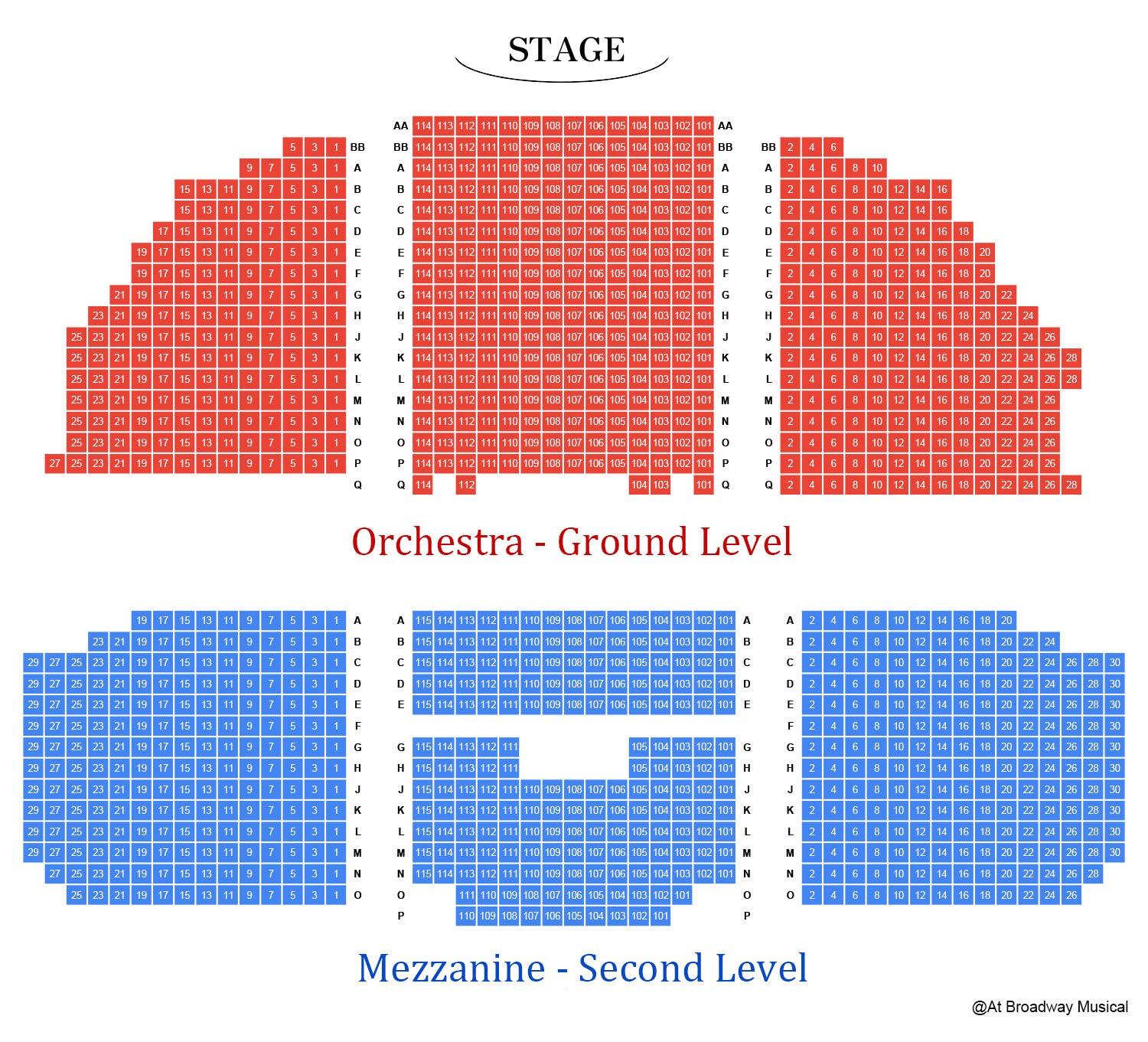
Seating Chart of Nederlander Theatre
The Nederlander Theatre has a seating capacity of 1,232 seats, divided into two main sections: Orchestra (1st level) and Mezzanine (2nd level).
*Click to view larger image
Directions to Nederlander Theatre
Access to Nederlander Theatre are most commonly by taking the New York City Subway (MTA).
The area around the theatre becomes very crowded close to showtime, so whether you are arriving by subway or taxi, please allow extra time to reach the venue.
Map, location of Nederlander Theatre
Here is the map of the Nederlander Theatre.
Best hotels near the Nederlander Theatre
Discover the best hotels near the Nederlander Theatre. Stay within walking distance of Broadway and enjoy easy access to shows, restaurants, and attractions.
The list of recommended hotels near the theater:
History of the Nederlander Theatre 1 From Founding to the Dark Years
Opened as the National Theatre at the southern end of Broadway
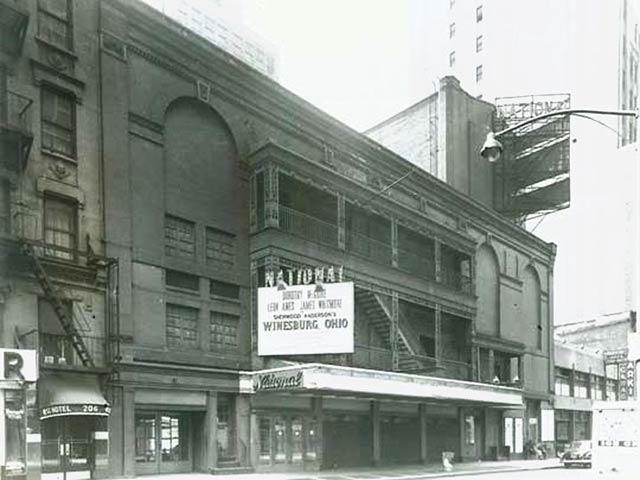
The Nederlander Theatre was founded in 1921 by Walter C. Jordan, a noted theatre operator of the time, under the name National Theatre.
The architectural design was by William Neil Smith. From the start it welcomed both plays and musicals and was lively from opening day. When it was built the area around the National Theatre was crowded with venues, but as several houses such as the Playhouse, the Comedy House, and the Casino were demolished, it ended up becoming
the theatre located at the southernmost edge of the Broadway district.
A run of troubles and a string of name changes
Until 1956 the Shubert family owned the National Theatre, but an antitrust case barred exclusive ownership of multiple houses and led to a lawsuit. As a result they were compelled to sell several properties, and the National Theatre was transferred to Harry Fromkes, a real estate attorney.
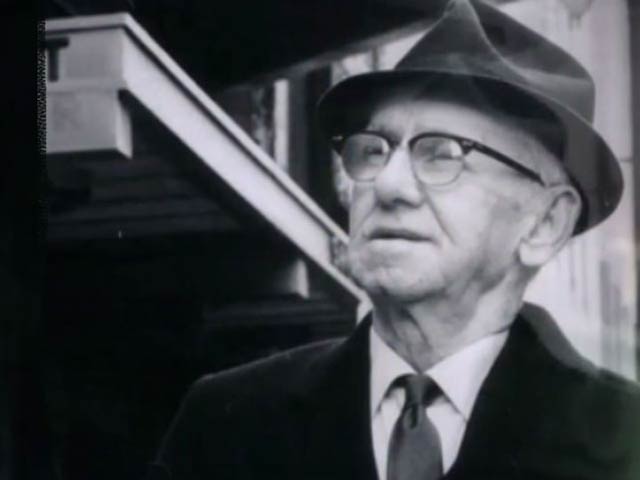
Fromkes, known as a passionate theatre fan, was planning his own operating company for a future venue. He never realized that plan. He died after falling from the twelfth floor window of his apartment.
There are differing accounts of his death. To purchase the National Theatre he had borrowed about 700,000 dollars from the Shuberts, but he ran out of cash and could not service the loan. He also dipped into 17,000 dollars from advance ticket sales and could not repay that either. Mounting financial and mental pressure may have driven him to take his own life, according to one view.
After his death the producer Billy Rose of New York acquired Fromkes’s property. In 1959 he put his own name on the venue and reopened it as the Billy Rose Theatre. He made a number of alterations, but after his passing in 1966 the house fell into disrepair and sat unused for more than ten years.
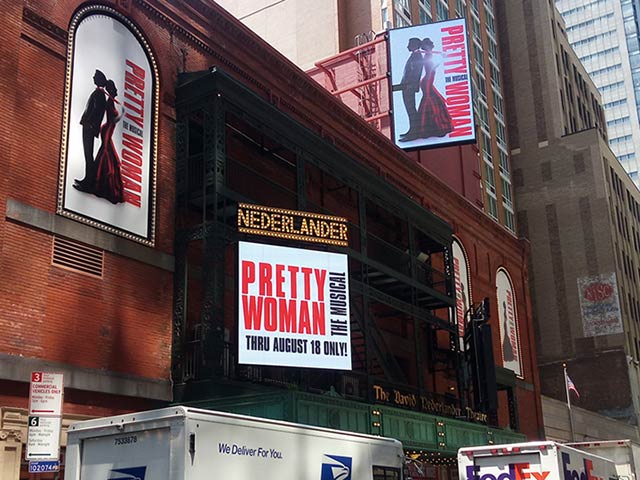
In 1978 the Nederlander Organization, owner of many theatres, purchased the Billy Rose Theatre, renovated it, and briefly reopened it as the Trafalgar Theatre, then quickly changed the name again. It became The David T. Nederlander Theatre, taking its name from company founder David Tobias Nederlander. Today it is commonly known simply as the Nederlander Theatre.
In the early nineteen nineties the auditorium often sat half empty. At the time it was
cheaper to rehearse on the actual stage of the Nederlander than to rent a dedicated rehearsal studio, so the venue was not fulfilling its primary role. In fact the revival of Grease in 1994 and the production of Busker Alley both used the Nederlander as a rehearsal space as is.
History of the Nederlander Theatre 2 After Rent
The theatre saved by the musical Rent
Rent had been a major hit Off Broadway since 1994. As the production prepared to move to Broadway, the team scouted for a suitable home. Many houses extended warm invitations, yet none felt exactly right. After touring more venues, producers Kevin McCollum and Jeffrey Seller decided that the Nederlander had the qualities Rent needed.
For decades the theatre had not hosted a sustained run and the building was worn. People scoffed that choosing the Nederlander on West Forty First Street, then known for drug dealers and prostitution, was madness for a popular show.
Defying expectations, Rent opened at the Nederlander on April 29, 1996, won the Tony Award for Best Musical, Best Book, Best Original Score, and Best Featured Actor, and also received the Pulitzer Prize for Drama.
The social impact was significant. Crowds coming to Forty First Street improved street safety. Alongside the public safety agenda advanced by Mayor Rudolph Giuliani, who made three major pledges to improve conditions in New York City, the once dangerous area was transformed. By the time the show closed on September 7, 2008, the block was lined with first class hotels and restaurants.
The former Rent Wall
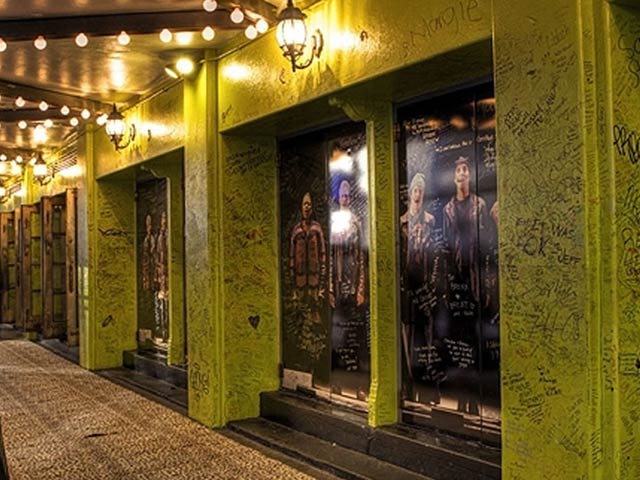
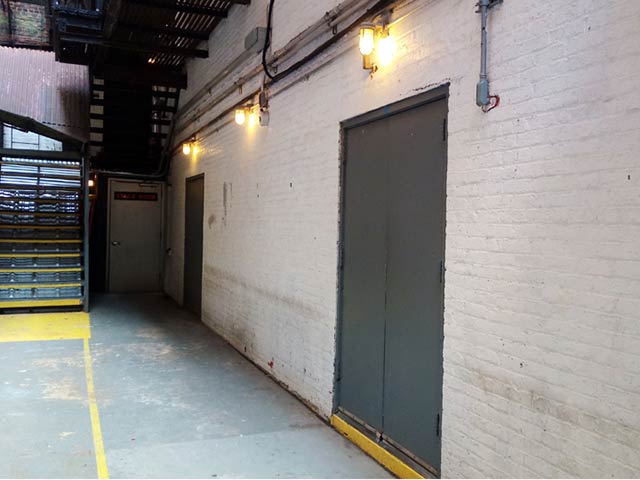
As the twelve year run of Rent neared its end, a wall along the backstage corridor leading to the wardrobe area filled up with handwritten messages and became known as the Rent Wall. At first only company members and staff could pass that way. Word spread among fans, and the theatre granted permission for the general public to leave messages near the entrance. Audience notes shared what Rent meant to each person.
In the beginning the inscriptions were mostly from industry figures. Then a fifth grade teacher from Brooklyn, Mrs. Field, became the first member of the general public to add a message, which sparked many others to write their own thoughts. The famous wall was repainted in 2016 and is no longer there.
 Broadway Musical Discount Tickets – On Sale Now!
Find the best Broadway ticket deals right here –
faster, cheaper, and backed by local expertise. Get ready to experience the magic of Broadway!

- Get discount tickets easily with instant booking
- The most detailed musical guides and reviews
- Dedicated support throughout your Broadway experience






 Lines,
42 St – Times Square / Port Authority Stationstation (About a 5-minute walk)
Lines,
42 St – Times Square / Port Authority Stationstation (About a 5-minute walk)