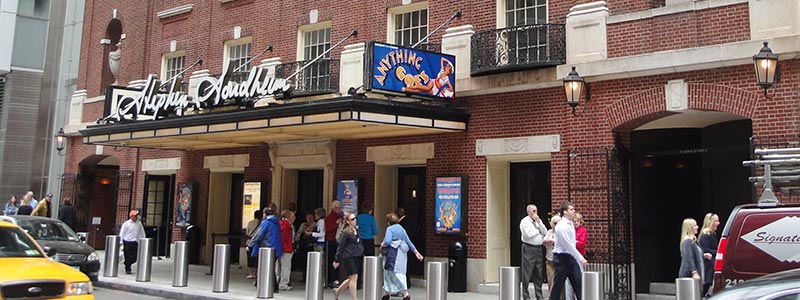
Address, opening, capacity of Stephen Sondheim Theatre
Basic Information about the Stephen Sondheim Theatre in NYC
|
Address: |
124 W 43rd St, New York, NY 10036(
Map )
Located on 43 Street, between Broadway and 6th Avenue
|
|
Opened: |
1918 |
|
Capacity: |
1,055 seats |
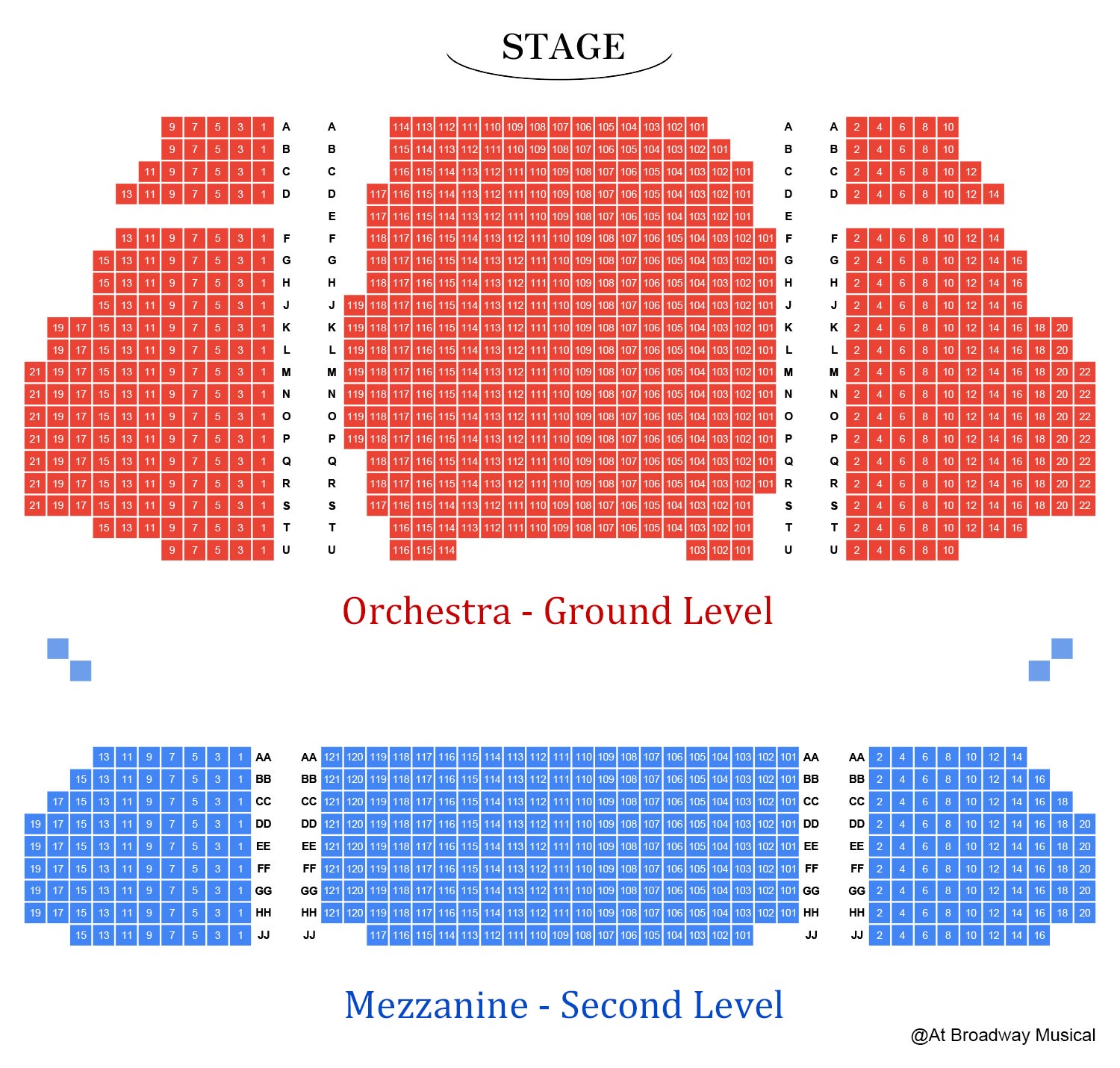
Seating Chart of Stephen Sondheim Theatre
The Stephen Sondheim Theatre has a seating capacity of 1,055 seats, divided into two main sections: Orchestra (1st level) and Mezzanine (2nd level).
*Click to view larger image
Directions to Stephen Sondheim Theatre
Access to Stephen Sondheim Theatre are most commonly by taking the New York City Subway (MTA).
The area around the theatre becomes very crowded close to showtime, so whether you are arriving by subway or taxi, please allow extra time to reach the venue.
Map, location of Stephen Sondheim Theatre
Here is the map of the Stephen Sondheim Theatre.
Best hotels near the Stephen Sondheim Theatre
Discover the best hotels near the Stephen Sondheim Theatre. Stay within walking distance of Broadway and enjoy easy access to shows, restaurants, and attractions.
The list of recommended hotels near the theater:
History of the Stephen Sondheim Theatre
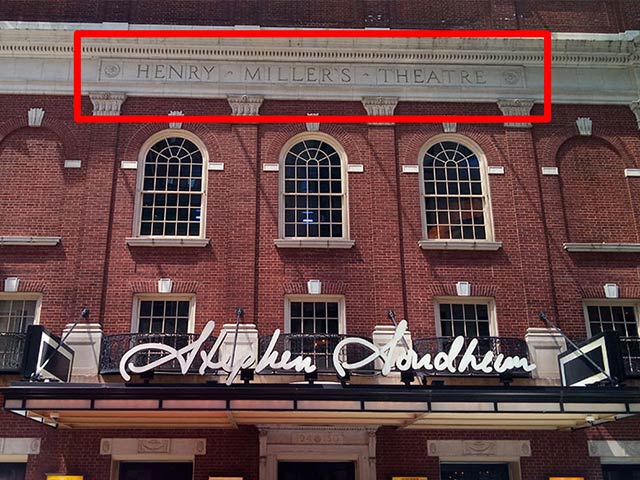
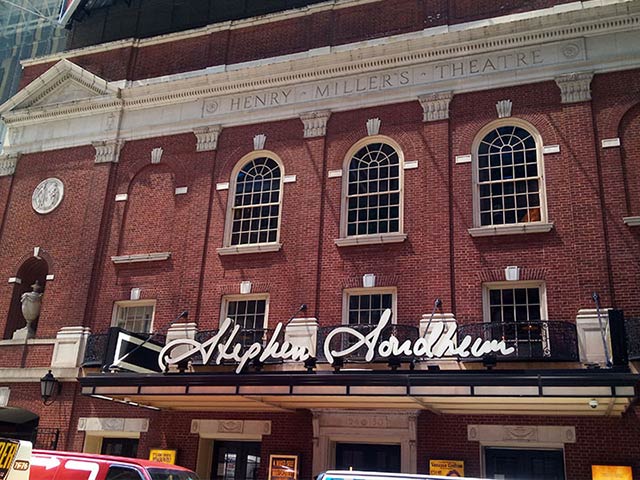
Opened in 1918 as Henry Miller’s Theatre
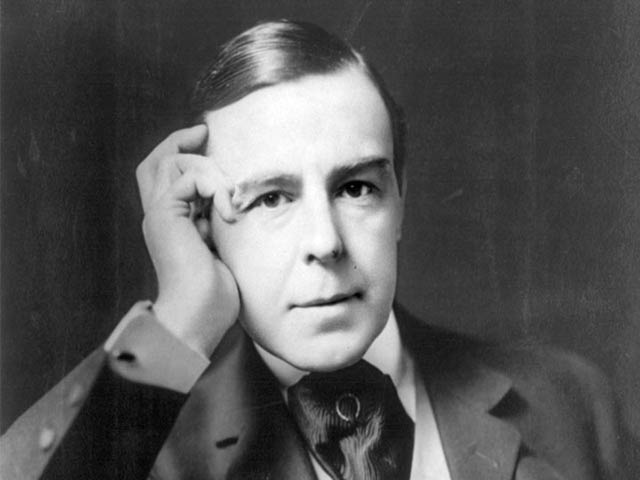
The Stephen Sondheim Theatre traces its origins to 1918, when British-born actor, director, and producer Henry Miller opened the Henry Miller’s Theatre. It debuted on April 1, 1918, with the play “The Fountain of Youth.”
With 950 seats, it was considered modest in size compared to other Broadway houses of the time, but it was well suited for the musicals and plays staged there. It was also one of the first Broadway theatres to install air conditioning, which made it a novelty for audiences of the era.
Henry Miller, born in London, began his career as a child actor before immigrating to Canada with his parents. He later moved to New York, where he worked as both an actor and producer. In 1917, he established his own theatre, which would later become today’s Stephen Sondheim Theatre.
The golden era under Gilbert Miller
The theatre’s first major success came in 1926 with Noel Coward’s play “The Vortex.” Tragically, Henry Miller died that same year. His son, Gilbert Miller, took over management and ushered the theatre into its golden era.
Gilbert Miller became one of Broadway’s leading producers, known for working with some of the most celebrated actors of the time, including Leslie Howard, Helen Hayes, Lillian Gish, and Douglas Fairbanks. From the 1930s through the 1960s, the theatre thrived under his leadership.
In 1950, his production of T.S. Eliot’s “The Cocktail Party” won the Tony Award for Best Play at the 4th Tony Awards. Later, in 1965, Gilbert Miller received a Special Tony Award honoring his contribution to Broadway and his efforts to sustain New York theatre.
From decline to revival
In 1966, the Miller family sold the theatre to the Nederlander Organization, and shortly after, it was acquired by real estate investor Seymour Durst. Through the 1970s and 80s, the venue struggled, operating at various times as a movie theatre, a pornography cinema called “Avon-at-the-Hudson,” a disco club, and later a retro music nightclub.
By the late 1990s, the building was reintroduced as a performance venue under the name “Kit Kat Club,” hosting productions such as “Cabaret.” In 2001, it officially returned to its original use as Henry Miller’s Theatre, reopening with the Broadway musical “Urinetown.”
Rebuilt alongside the Bank of America Tower
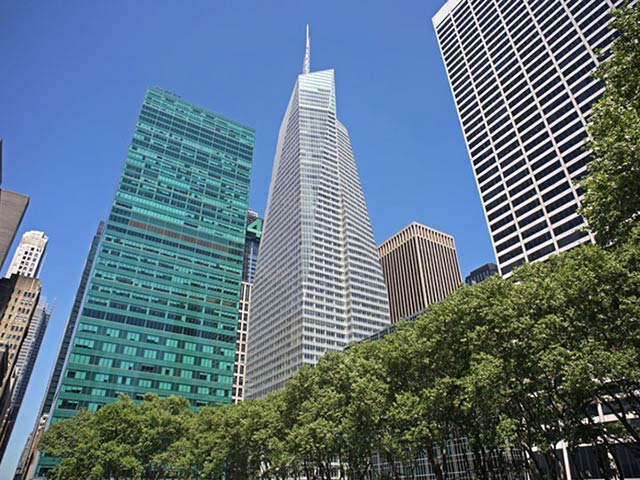
In 2004, the old building was demolished to make way for the 57-story Bank of America Tower. As part of the redevelopment, the theatre was rebuilt underground, with modern facilities and an expanded seating capacity of 1,055. Today, it is one of only two subterranean theatres in Manhattan, alongside Circle in the Square Theatre.
In 2007, the Roundabout Theatre Company announced it would manage the venue as its third Broadway home. It reopened in 2009 with a revival of “Bye Bye Birdie.”
On March 22, 2010, coinciding with Stephen Sondheim’s 80th birthday, the theatre was renamed the Stephen Sondheim Theatre in honor of the legendary composer and lyricist, whose work has profoundly shaped modern musical theatre. It continues to host acclaimed productions under its new name.
The legacy of the Stephen Sondheim Theatre
About composer Stephen Sondheim
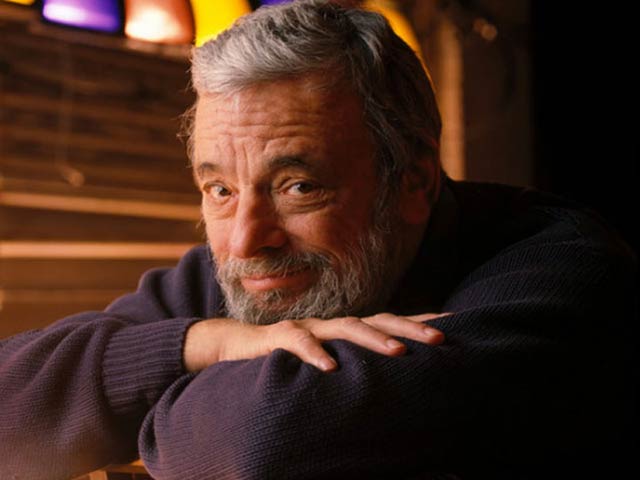
Stephen Sondheim (1930-2021) was born and raised on Manhattan’s Upper West Side and went on to become one of the most influential composer-lyricists in musical theatre history. Over a career spanning more than half a century, he shaped Broadway and Hollywood with groundbreaking works that redefined the art form.
His passion for theatre began at age nine, when he attended the Broadway musical “Very Warm for May.” Sondheim went on to earn a Pulitzer Prize, an Academy Award, eight Tony Awards, eight Grammy Awards, and a Laurence Olivier Award. In 2015, he received the Presidential Medal of Freedom.
After his parents’ divorce, Sondheim had a difficult childhood, often isolated from family support. A turning point came when he befriended James Hammerstein, whose father, Oscar Hammerstein II, became a mentor and father figure. Hammerstein’s guidance shaped Sondheim’s love of theatre and his path as a writer. Sondheim studied music at Williams College and, at only 25, wrote the lyrics for Leonard Bernstein’s “West Side Story,” marking his first major success.
Sondheim’s most celebrated works include “A Funny Thing Happened on the Way to the Forum,” “Company,” “Follies,” “Sweeney Todd,” “Sunday in the Park with George,” and “Into the Woods.” His influence extended to film as well, with songs for Warren Beatty’s “Reds” and the film “Dick Tracy,” for which he won the Academy Award for Best Original Song with “Sooner or Later (I Always Get My Man),” performed by Madonna.
He remains the most awarded composer in Tony Award history, including the Special Tony Award for Lifetime Achievement in the Theatre. Internationally acclaimed producer Cameron Mackintosh once called him “possibly the greatest lyricist ever.” Sondheim’s legacy continues to shape Broadway and inspire future generations of theatre artists.
 Broadway Musical Discount Tickets – On Sale Now!
Find the best Broadway ticket deals right here –
faster, cheaper, and backed by local expertise. Get ready to experience the magic of Broadway!

- Get discount tickets easily with instant booking
- The most detailed musical guides and reviews
- Dedicated support throughout your Broadway experience










 Lines,
42 St – Times Square / Port Authority Stationstation (About a 5-minute walk)
Lines,
42 St – Times Square / Port Authority Stationstation (About a 5-minute walk)


 Lines,
Bryant Parkstation (About a 5-minute walk)
Lines,
Bryant Parkstation (About a 5-minute walk)