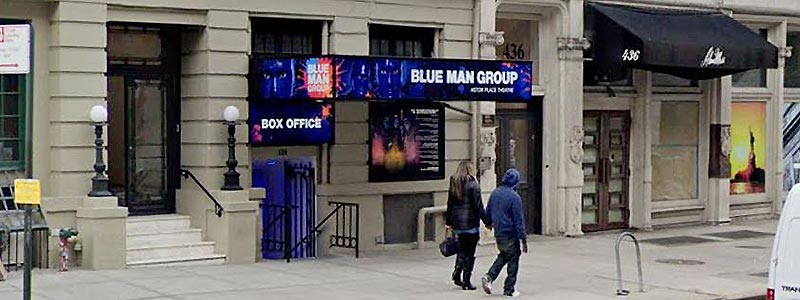
Address, opening, capacity of Astor Place Theatre
Basic Information about the Astor Place Theatre in NYC
|
Address: |
434 Lafayette St, New York, NY 10003(
Map )
|
|
Opened: |
1968 |
|
Capacity: |
298 seats |
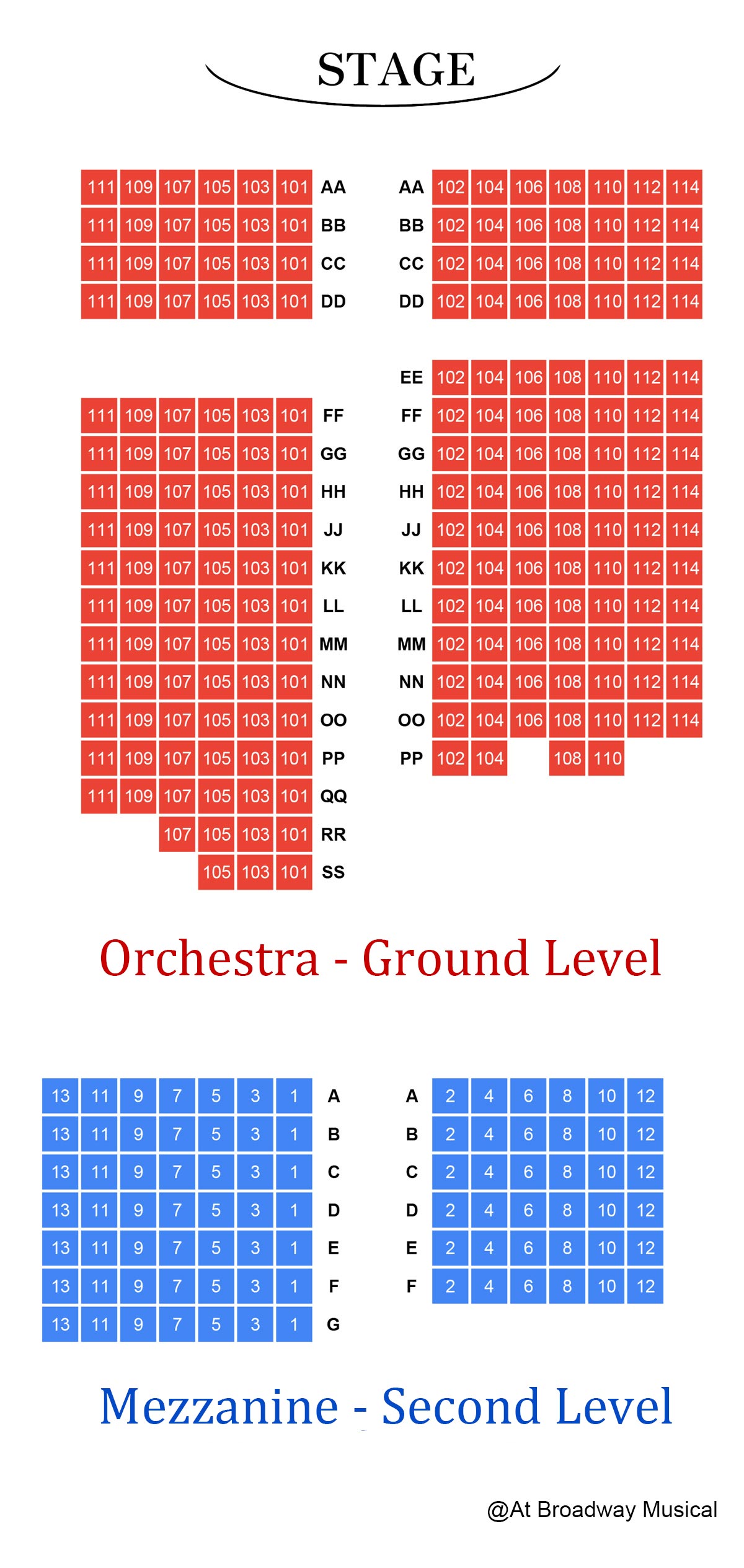
Seating Chart of Astor Place Theatre
The Astor Place Theatre has a seating capacity of 298 seats, divided into two main sections: Orchestra (1st level) and Balcony (2nd level).
*Click to view larger image
Directions to Astor Place Theatre
Access to Astor Place Theatre are most commonly by taking the New York City Subway (MTA).
The area around the theatre becomes very crowded close to showtime, so whether you are arriving by subway or taxi, please allow extra time to reach the venue.
Nearest Subway Station:
 Lines,
Astor Plstation (About a 5-minute walk)
Lines,
Astor Plstation (About a 5-minute walk)

 Lines,
8st – NYUstation (About a 5-minute walk)
Lines,
8st – NYUstation (About a 5-minute walk)
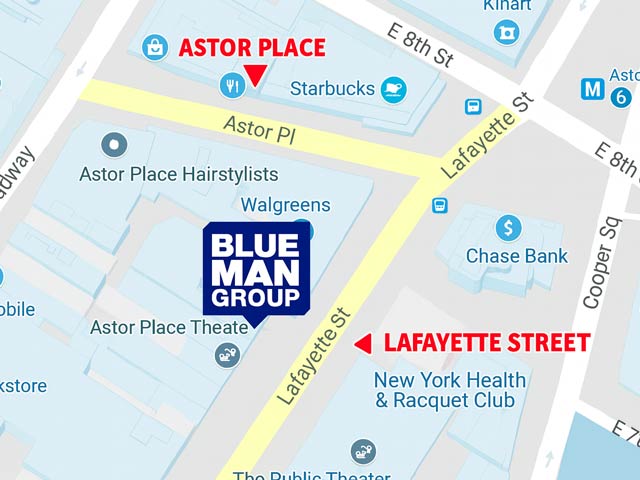
Map, location of Astor Place Theatre
Here is the map of the Astor Place Theatre.
Best hotels near the Astor Place Theatre
Discover the best hotels near the Astor Place Theatre. Stay within walking distance of Broadway and enjoy easy access to shows, restaurants, and attractions.
The list of recommended hotels near the theater:
History of the Astor Place Theatre
The Astor family’s Lafayette Street development
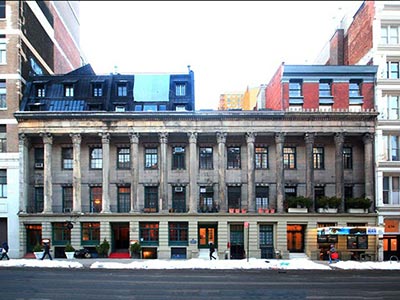
The Astor Place Theatre stands within
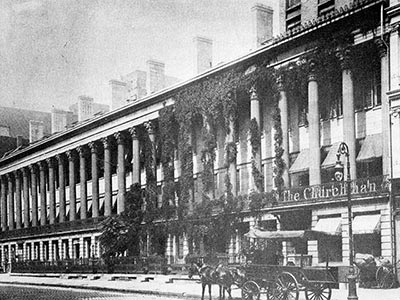
Colonnade Row on Lafayette Street in the Astor Place district. This two tiered terrace of nine connected houses was erected in 1832 using the
Greek Revival style that swept Europe and the United States in the late eighteenth and early nineteenth centuries. The ensemble was also known as
LaGrange Terrace.
Completion of Colonnade Row
Colonnade Row, also called LaGrange Terrace, is a two tiered residential block in today’s NoHo area. The site belonged to the powerful Astor family, whose fortune began with fur trading in the late eighteenth century and grew into one of the largest in the country. The family acquired the land in 1804 and for a time leased part of it for the Vauxhall Gardens amusement resort.
The terrace known as LaGrange was then constructed on this land. Designed in the Greek Revival manner and built with modern conveniences for its day, the houses contained as many as twenty six rooms. The development also stood near the Astor Library, the precursor of today’s Public Theater.
During the mid to late nineteenth century the Astor Place district became a prestigious address for leading New Yorkers, including the Astors, the Vanderbilts, the Delano family, and other industrialists and inventors.
The nine residences sold for up to about thirty thousand dollars each. The district’s significance was widely noted at the time as a setting for figures who shaped New York’s civic and cultural life.
Historic designation in the twentieth century
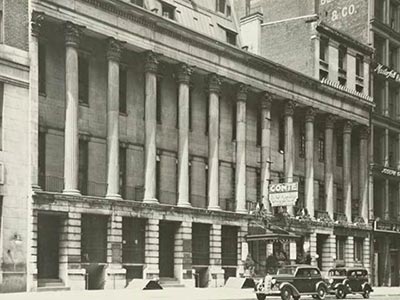
In 1901 five of the original nine houses were demolished, leaving the four facades that survive today. In 1965 the remaining row was among the first properties designated as a New York City Landmark, and in 1976 it was added to the National Register of Historic Places. New York State now counts thousands of properties on the Register, including icons such as the Empire State Building and the Statue of Liberty.
Astor Place Theatre in the 1970s and 1980s
In 1965 entrepreneur
Bruce Mailman created the Astor Place Theatre inside Colonnade Row, and in 1968 the venue opened with
The Indian Wants the Bronx.
Mailman owned and designed the space and produced provocative titles of the era including
The Dirtiest Show in Town,
The Neon Woman, and works by Tom Eyen.
Through the 1970s and 1980s the Astor Place Theatre became known for premiering plays by
Sam Shepard and other groundbreaking writers, earning multiple Obie Awards and Tony nominations for works first seen here.
Blue Man Group at Astor Place from 1991
Blue Man Group began performances at the Astor Place Theatre in 1991 and went on to play well over ten thousand performances in New York. The nonverbal, music and percussion driven show was created by
Matt Goldman,
Phil Stanton, and
Chris Wink in 1987 and grew from street performances on the East Side to a worldwide phenomenon with productions in many cities.
The Astor Place run became one of Off Broadway’s defining attractions for decades.
The Astor family’s wealth endured long after the first generation emigrated to America. Some descendants settled in Britain and entered the peerage through philanthropy, while the New York branch managed vast real estate holdings and were often called the “Landlords of New York.”
Among them was John Jacob Astor IV, who inherited major New York properties. In 1912 he and his wife Madeleine Astor boarded the RMS Titanic to return from their honeymoon in Paris.
Madeleine survived in a lifeboat, but Astor himself did not. His body was identified by the initials J J A sewn into his clothing, and he rests with the family at Trinity Churchyard in Manhattan.
Architecture of the Astor Place Theatre
The theatre sits within Colonnade Row, whose facades display key traits of Greek Revival design and the signature colonnade that gives the terrace its name.
What is Greek Revival
Greek Revival is a revival of
ancient Greek architecture, popular in Europe and the United States from the late eighteenth into the early nineteenth century. Classical temples with column and beam construction and richly carved details inspired a wave of civic and residential buildings.
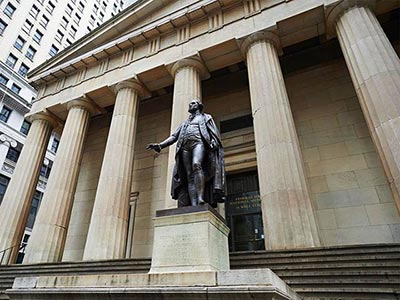
New York still preserves dozens of examples, including Colonnade Row and the
Federal Hall memorial on Wall Street.
What is a colonnade
A
colonnade is a regular row of columns that frames an entrance or encircles a courtyard. A colonnade across a building’s front is often called a portico, while one that encloses a court is a peristyle. Wood, stone, and marble are common materials, and grand schemes can use eight or more columns in a single line or wrap the entire structure.
About the Astor Place district
How the Astor Place district took shape
Astor Place is a short thoroughfare spanning two blocks between Broadway and Third Avenue. Its principal street is
Lafayette Street, where the Astor Place Theatre stands.
In 1748 physician
Jacob Sperry established New York’s first botanical garden near today’s Lafayette Street and Astor Place. Later the Astor family purchased the land, built Colonnade Row, and laid out a grand boulevard named
Lafayette Place in honor of the Marquis de Lafayette.
The city extended the roadway southward in the early twentieth century and renamed it
Lafayette Street. The district name combines
Astor with
Lafayette Place, a pairing that reflects the family’s imprint on the neighborhood plan rather than the everyday meaning of “place.”
 Broadway Musical Discount Tickets – On Sale Now!
Find the best Broadway ticket deals right here –
faster, cheaper, and backed by local expertise. Get ready to experience the magic of Broadway!

- Get discount tickets easily with instant booking
- The most detailed musical guides and reviews
- Dedicated support throughout your Broadway experience