EN | JP
EN | JP
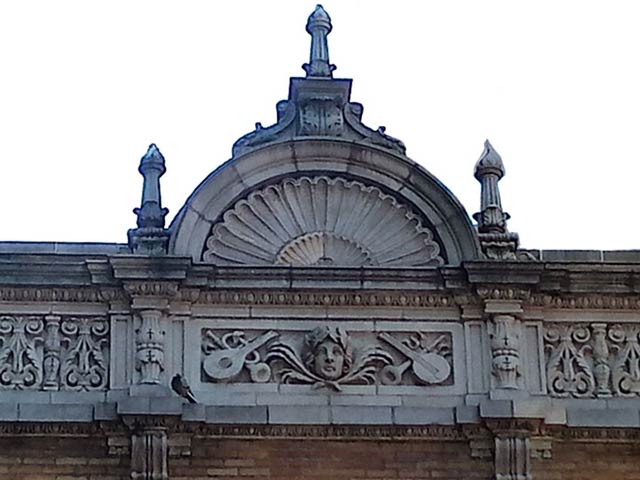
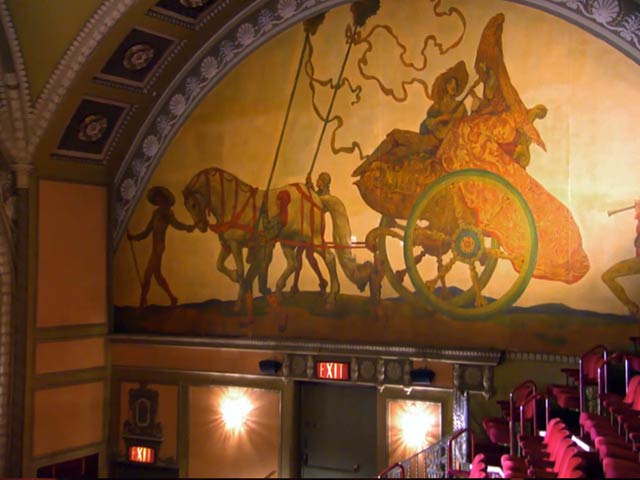
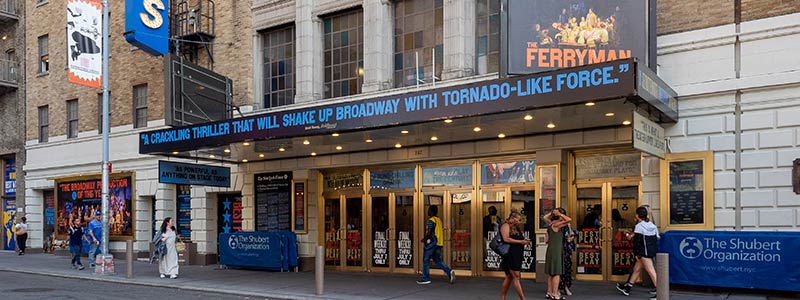
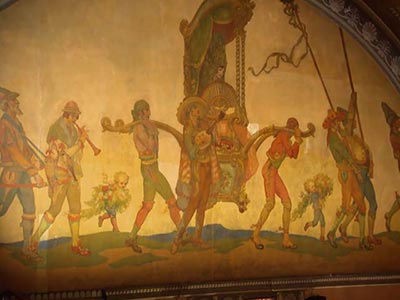
Located in the heart of theater district, 45th Street. This venue stands out with its distinctive Modern Spanish architectural style.
Basic Information about the Bernard B. Jacobs Theatre in NYC
| Address: | 242 W 45th St, New York, NY 10036(
Map )
Located on 45 Street, between Broadway and 8th Avenue |
|---|---|
| Opened: | 1927 |
| Capacity: | 1,101 seats |
The Bernard B. Jacobs Theatre has a seating capacity of 1,101 seats, divided into two main sections: Orchestra (1st level) and Mezzanine (2nd level).
*Click to view larger image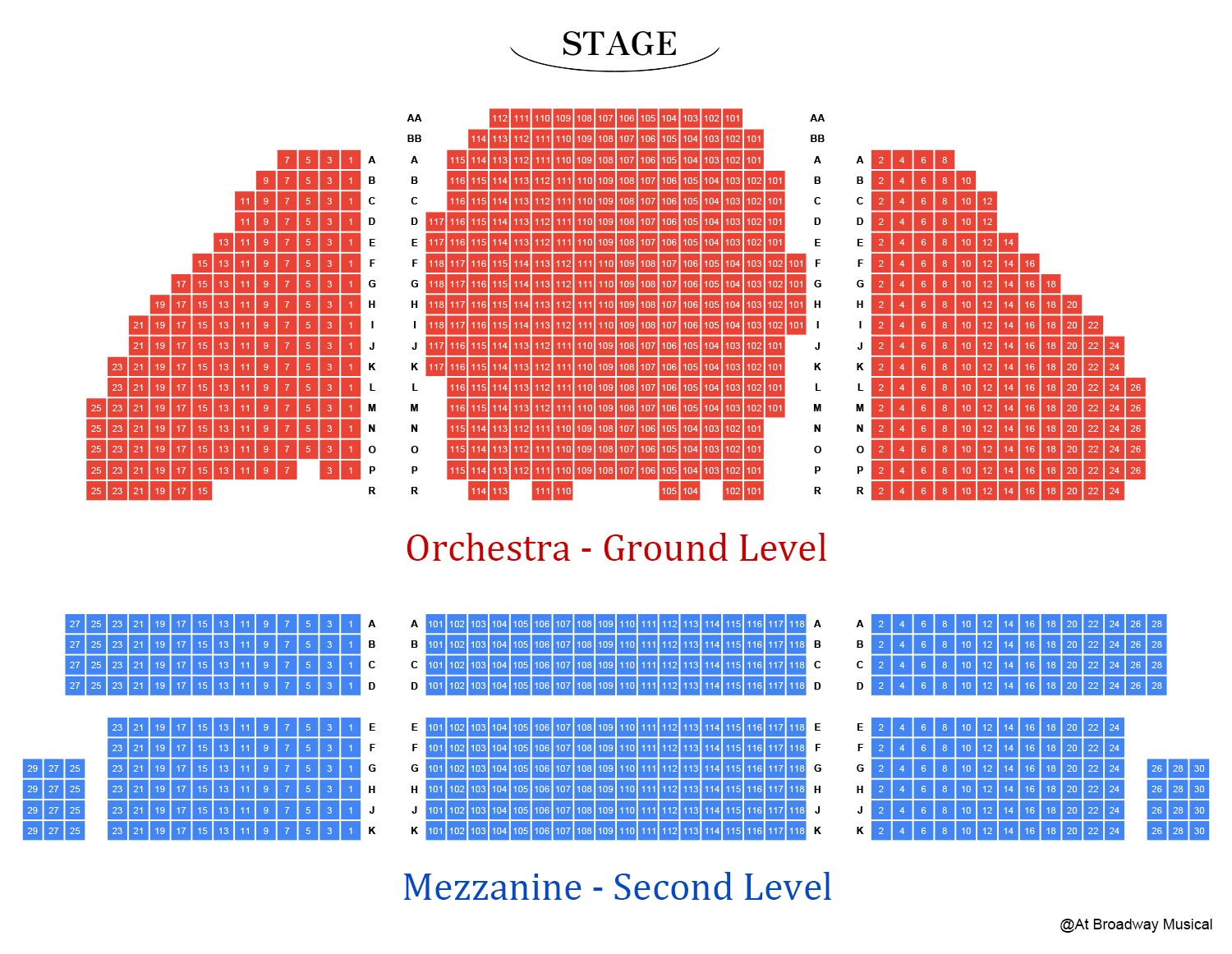
Access to Bernard B. Jacobs Theatre are most commonly by taking the New York City Subway (MTA).
The area around the theatre becomes very crowded close to showtime, so whether you are arriving by subway or taxi, please allow extra time to reach the venue.









 Lines,
42 St – Times Square / Port Authority Stationstation (About a 8-minute walk)
Lines,
42 St – Times Square / Port Authority Stationstation (About a 8-minute walk)
The 42st – Times Square / Port Authority station is a large station complex, so plan to arrive early to avoid rushing.
Here is the map of the Bernard B. Jacobs Theatre.
Discover the best hotels near the Bernard B. Jacobs Theatre. Stay within walking distance of Broadway and enjoy easy access to shows, restaurants, and attractions.
The Bernard B. Jacobs Theatre, originally opened as the Royal Theatre in 1927, was designed by architect Herbert J. Krapp and commissioned by the Chanin brothers, two major figures in New York real estate.
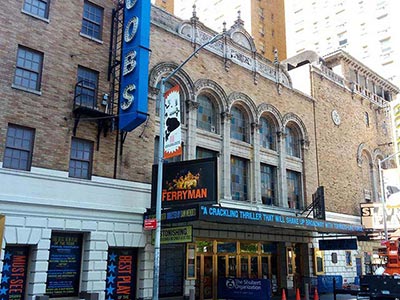
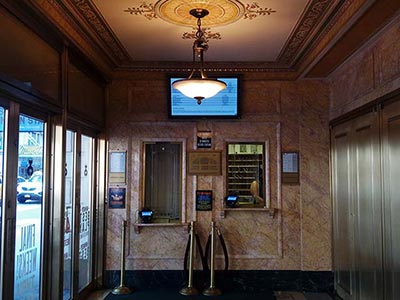 In 1930, the Chanin brothers transferred ownership of the three theaters to the Shubert family. During the Great Depression in 1932, Bernard B. Jacobs handed management rights to producer John Golden, who briefly renamed it the John Golden Theatre (not to be confused with today’s John Golden Theatre). The Shuberts regained control in 1936 and restored its original name, the Royal Theatre.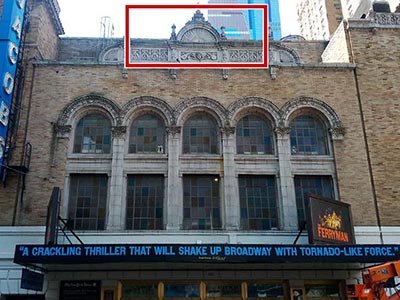
 Broadway Musical Discount Tickets – On Sale Now!
Find the best Broadway ticket deals right here – faster, cheaper, and backed by local expertise. Get ready to experience the magic of Broadway!

 |
 |
 |
 |
|
Aladdin |
|
Wicked |

|
MJ The Musical |
|
Chicago |

|
The Lion King |
|
Harry Potter |