EN | JP
EN | JP
A guide to the architects and developers who shaped the history of Broadway by designing and building its theaters.
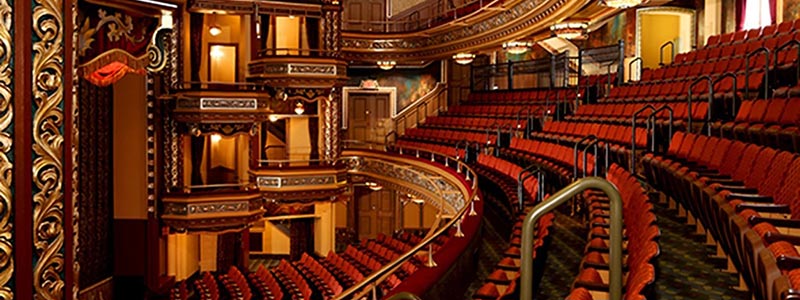
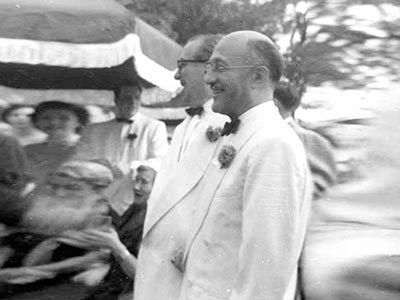 The Chanin Brothers, Irwin and Henry, were New York–born Jewish real estate developers who played a central role in Broadway’s growth. Through the Chanin Construction Company, they financed and built six Broadway theaters. While most of the designs were created by Herbert J. Krapp, the Chanins provided the vision, construction, and management that left a lasting mark on the Theater District.
A list of Broadway theaters developed by the Chanin Construction Company. Most were designed by Herbert J. Krapp, while the Chanins served as developers.
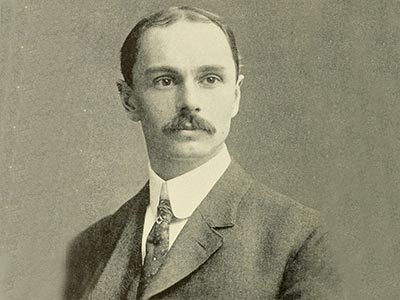 Henry Beaumont Herts and Hugh Tallant formed their New York–based architectural firm in 1900. They were among the first to specialize in Broadway theater design, bringing European training and Beaux-Arts style to New York stages.
This is a list of New York theaters designed or associated with the Broadway architectural firm Herts & Tallant. You can view more details about each theater from the links below.
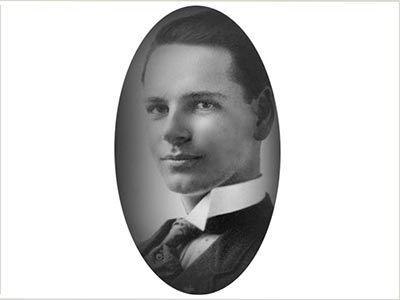 Herbert J. Krapp was the most important architect of Broadway’s golden era, designing over a dozen theaters that still define the Theater District today. A former apprentice at Herts & Tallant, he worked with the Shubert brothers to create landmark venues such as the Broadhurst Theatre (1917), Gerald Schoenfeld Theatre (formerly Plymouth, 1917), Ambassador Theatre (1921), and Walter Kerr Theatre (originally Ritz, 1921).
A list of New York theaters designed by the renowned Broadway architect Herbert J. Krapp. You can view more details about each theater through the links below.
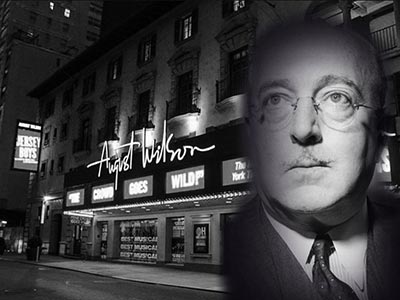 Born in Connecticut in 1885, C. Howard Crane became one of America’s leading theater architects. He established his own office in 1908 and designed more than 250 theaters, specializing in lavish movie palaces. Based mainly in Detroit, his masterpieces include the 5,174-seat Fox Theatre (1928), one of the largest surviving movie palaces in the United States.
A list of New York theaters designed by Broadway architect C. Howard Crane. You can view more details about each theater through the links below.
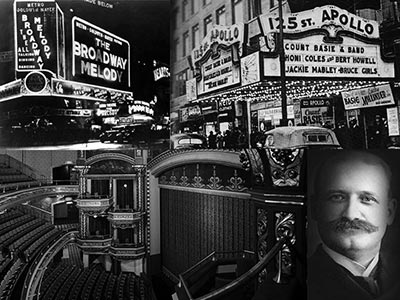 George Keister was active from the late 1800s through the 1930s. Though less well known, he designed several important venues including the Belasco Theatre (1907, originally Stuyvesant Theatre), the Astor Theatre (demolished), and the Bronx Opera House (1913). He also designed the legendary Apollo Theater in Harlem (1914).
A list of theaters and buildings designed by George Keister in New York.

Apollo Theater

Hotel Gerard
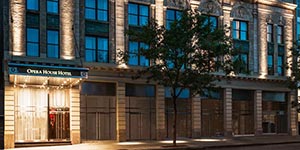
Bronx Opera House
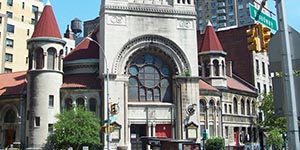
First Baptist Church
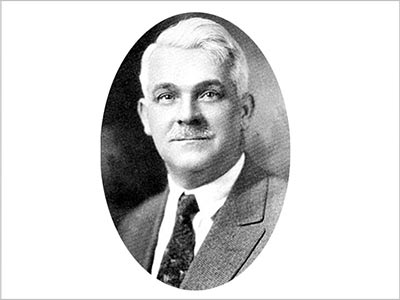 Thomas W. Lamb, born in Scotland in 1871, became one of the most famous theater architects of the early 20th century. After immigrating to New York, he studied at Cooper Union and began designing theaters in 1909. His first major success was the City Theatre on 14th Street. He went on to design movie palaces for Marcus Loew, including the Loew’s State Theatre on Broadway (1921, demolished) and the Loew’s State in Times Square (also demolished).
A list of New York theaters designed by Broadway architect Thomas W. Lamb. You can view more details about each theater through the links below.
 Broadway Musical Discount Tickets – On Sale Now!
Find the best Broadway ticket deals right here with instant booking, trusted service, and the lowest prices. Make your Broadway trip unforgettable!

 |
 |
 |
 |

|
Aladdin |

|
Wicked |

|
MJ The Musical |
|
Chicago |

|
The Lion King |

|
Harry Potter |