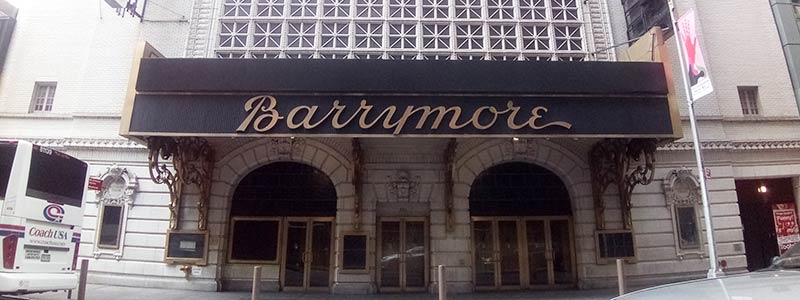
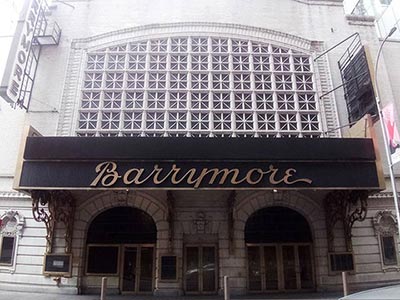
Address, opening, capacity of Barrymore Theatre
Basic Information about the Barrymore Theatre in NYC
|
Address: |
243 W 47th St, New York, NY 10036(
Map )
Located on 47 Street, between Broadway and 8th Avenue
|
|
Opened: |
1928 |
|
Capacity: |
1,058 seats |
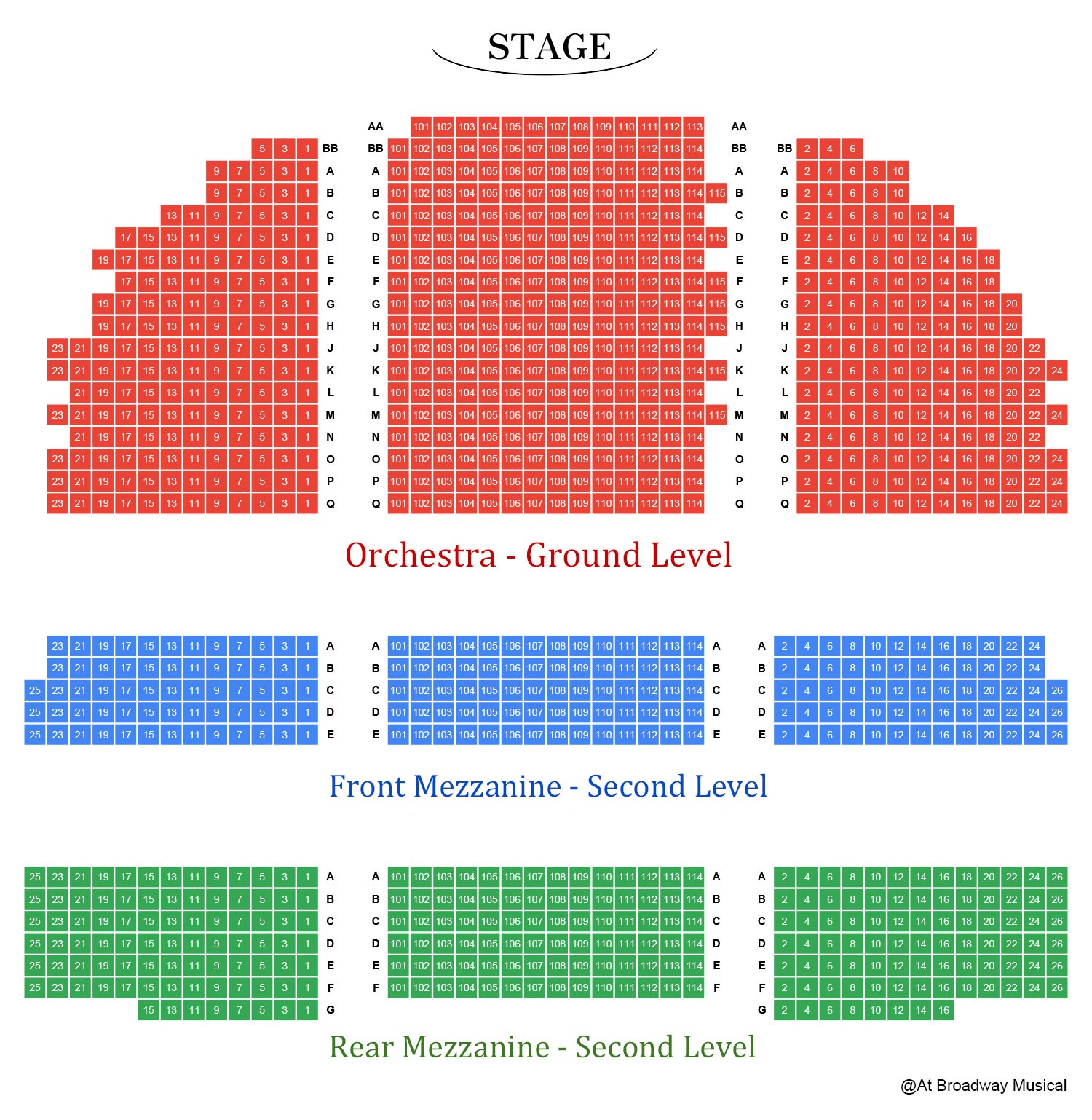
Seating Chart of Barrymore Theatre
The Barrymore Theatre has a seating capacity of 1,096 seats, divided into three main sections: Orchestra (1st level), Front Mezzanine (2nd level), and Rear Mezzanine (2nd level).
*Click to view larger image
Directions to Barrymore Theatre
Access to Barrymore Theatre are most commonly by taking the New York City Subway (MTA).
The area around the theatre becomes very crowded close to showtime, so whether you are arriving by subway or taxi, please allow extra time to reach the venue.
Nearest Subway Station:


 Lines,
49 Ststation (About a 5-minute walk)
Lines,
49 Ststation (About a 5-minute walk)

 Lines,
50 Ststation (About a 5-minute walk)
Lines,
50 Ststation (About a 5-minute walk)
 Lines,
50 Ststation (About a 5-minute walk)
Lines,
50 Ststation (About a 5-minute walk)
Map, location of Barrymore Theatre
Here is the map of the Barrymore Theatre.
Best hotels near the Barrymore Theatre
Discover the best hotels near the Barrymore Theatre. Stay within walking distance of Broadway and enjoy easy access to shows, restaurants, and attractions.
The list of recommended hotels near the theater:
History of the Barrymore Theatre
The last theatre built by the Shubert brothers and architect Herbert J. Krapp
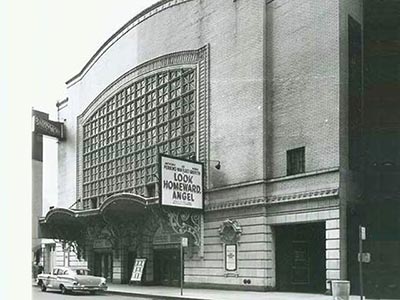
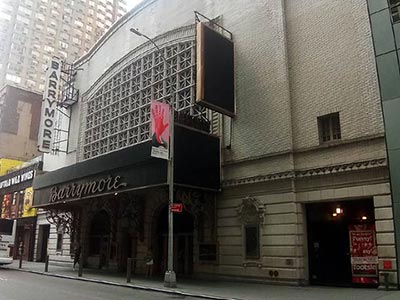
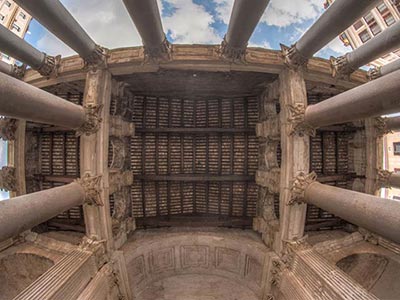
The Barrymore Theatre opened on December 20, 1928. It was built by the Shubert brothers, founders of the Shubert Organization, for one of the actors in their company. The building was designed by the legend architect Herbert J. Krapp and features a portico-style facade inspired by
the public baths of ancient Rome.
Herbert J. Krapp designed many of the Shubert theatres built in the early 20th century. Today, his work can still be seen in eight Broadway houses operated by the Shubert Organization, including the Ambassador Theatre, John Golden Theatre, Winter Garden Theatre, Imperial Theatre, Majestic Theatre, Broadhurst Theatre, Gerald Schoenfeld Theatre, and Bernard B. Jacobs Theatre.
A theatre that has never changed its name
The Shubert Organization, founded in 1900, has owned and operated more than 100 theatres and produced over 500 Broadway shows. The Barrymore Theatre, however, was the last Broadway house the Shuberts built before the Great Depression. Today, it remains the newest Broadway theatre in the Shubert portfolio of 17.
While other historic theatres have been repurposed over the years as cinemas or television studios, the Barrymore Theatre has been dedicated exclusively to live performances since its opening. It is also one of the few Broadway theatres that has
kept its original name and ownership continuously since 1928. Though its full name is the Barrymore Theatre, it is often referred to simply as the Barrymore Theatre.
Architecture of the Barrymore Theatre
Design inspired by Roman public baths
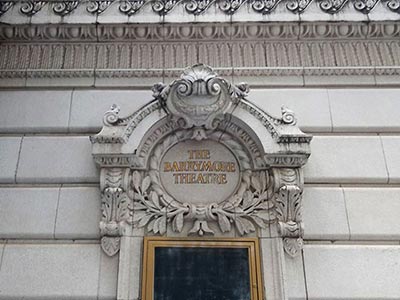
Krapp’s design combines
terra cotta elements with decorative iron grillwork, drawing inspiration from the
public baths of ancient Rome.
Inside, the decor features a red and white color scheme, chandeliers, and details reminiscent of the Elizabethan era and Mediterranean styles. It also incorporates the 18th-century Adam style and portico-style columns, blending classical influences into a refined theatrical space.
What is a portico?
A portico is a series of columns supporting a roof structure along the entrance of a building. Originating in ancient Greece and later adopted across Europe, porticos are categorized by the number of columns, such as four, six, eight, or ten. A well-known example is the Pantheon in Rome, which features an eight-column portico. When more than eight columns are aligned in a row, the structure is known as a colonnade.
Origin of the Barrymore Theatre name
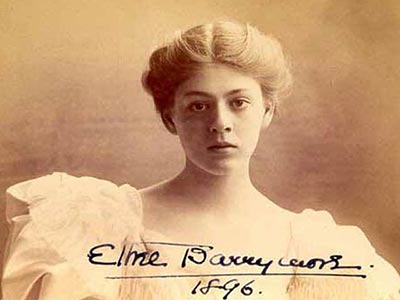
Named after actress Ethel Barrymore
In 1927, the Shuberts offered actress Ethel Barrymore the honor of naming the theatre after her if she agreed to star in its first production, “The Kingdom of God.”
At the time, Barrymore was performing in Somerset Maugham’s “The Constant Wife” at the Maxine Elliott’s Theatre. She accepted the Shuberts’ offer, and the Barrymore Theatre opened in 1928.
Born in Philadelphia, Ethel Barrymore came from a celebrated theatrical family. Her father, Maurice Barrymore (Herbert Arthur Chamberlayne Blythe), was an English actor, and her mother, Georgiana Drew, was an American actress. Known as part of
the royal family of the American stage, Barrymore became one of the most admired actresses of her generation, inspiring women across the country to emulate her hairstyle, voice, and mannerisms.
Barrymore made her stage debut in 1894 and went on to achieve success in film and television as well. In 1932, she appeared with her brothers Lionel and John Barrymore in “Rasputin and the Empress,” marking their first joint film appearance. The Barrymore siblings gained wide recognition as the most famous acting family of the era.
Even after John Barrymore’s death, Ethel continued to act alongside Lionel, including in the film “Main Street to Broadway.” Together, they became the first siblings to win Academy Awards, cementing the Barrymore family’s legacy in both stage and film history.
 Broadway Musical Discount Tickets – On Sale Now!
Find the best Broadway ticket deals right here –
faster, cheaper, and backed by local expertise. Get ready to experience the magic of Broadway!

- Get discount tickets easily with instant booking
- The most detailed musical guides and reviews
- Dedicated support throughout your Broadway experience