Address, opening, capacity of Hayes Theater
Basic Information about the Hayes Theater in NYC
|
Address: |
240 W 44th St, New York, NY 10036(
Map )
Located on 44 Street, between 7th Avenue and 8th Avenue
|
|
Opened: |
1912 |
|
Capacity: |
597 seats |
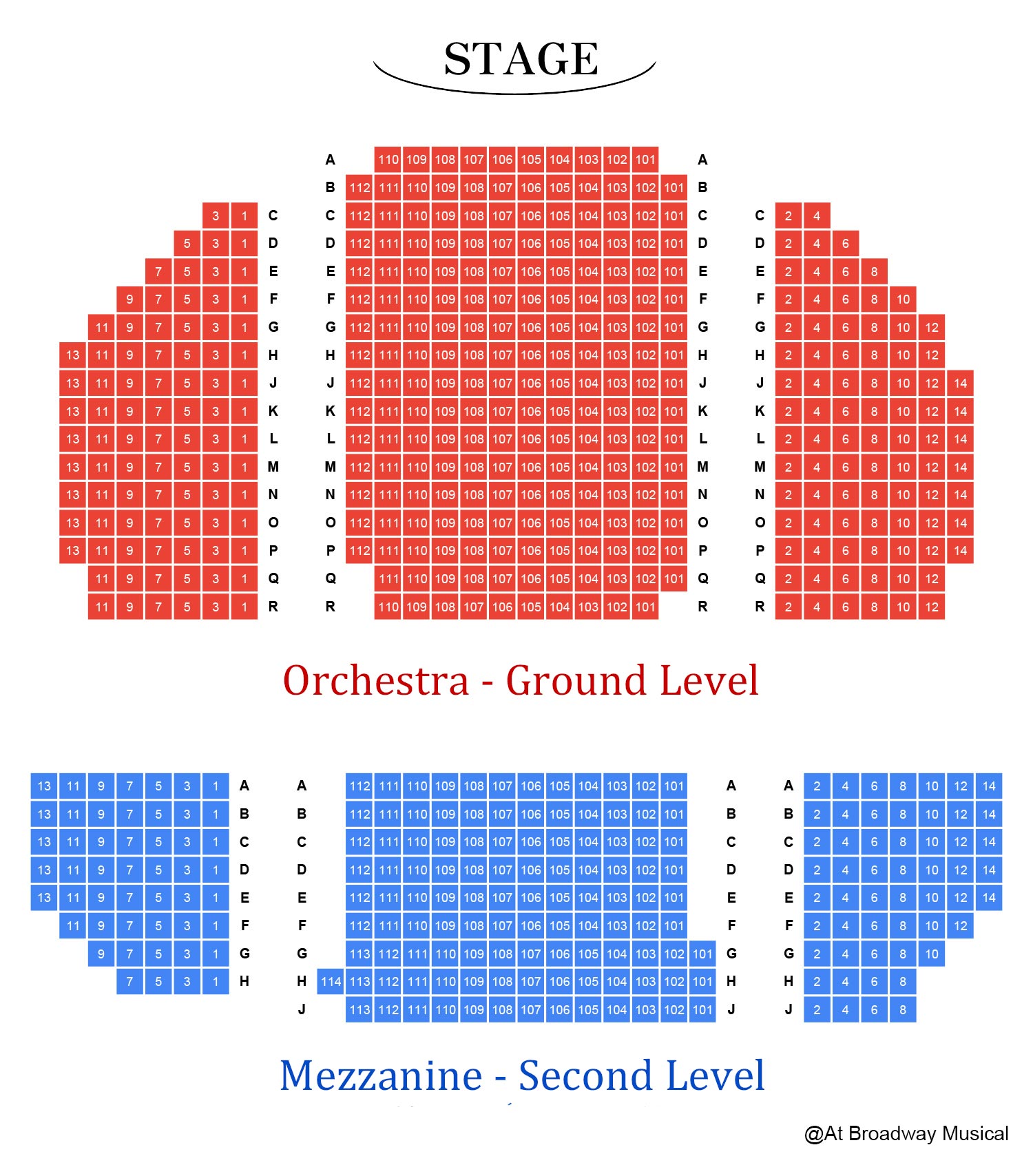
Seating Chart of Hayes Theater
The Hayes Theater has a seating capacity of 597 seats, divided into two main sections: Orchestra (1st level) and Mezzanine (2nd level).
*Click to view larger image
Directions to Hayes Theater
Access to Hayes Theater are most commonly by taking the New York City Subway (MTA).
The area around the theatre becomes very crowded close to showtime, so whether you are arriving by subway or taxi, please allow extra time to reach the venue.
Map, location of Hayes Theater
Here is the map of the Hayes Theater.
Best hotels near the Hayes Theater
Discover the best hotels near the Hayes Theater. Stay within walking distance of Broadway and enjoy easy access to shows, restaurants, and attractions.
The list of recommended hotels near the theater:
History of the Hayes Theater
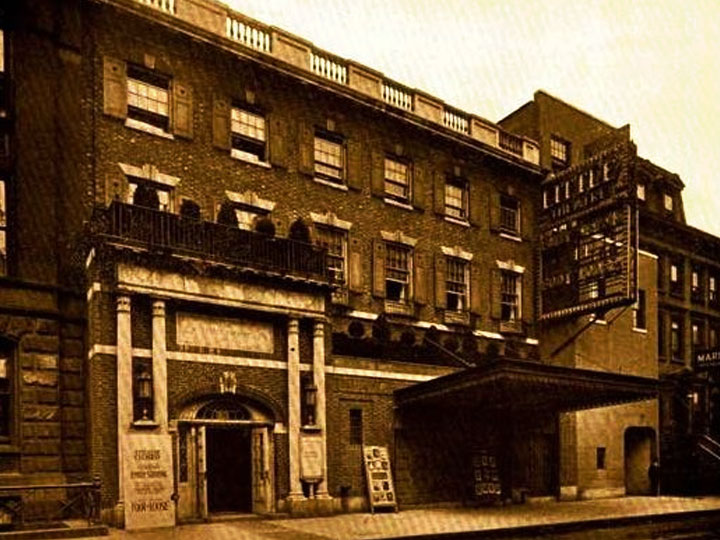
Originally named “The Little Theatre”
The Hayes Theater was established in 1912 by producer Winthrop Ames together with architects Harry Creighton Ingalls and F. Burrall Hoffman, under the name “The Little Theatre.” At the time, staging new plays in Broadway’s larger houses carried significant financial risk, so Ames built this small venue with only 299 seats as a
noncommercial showcase for new works.
Ames, who specialized in studio buildings, wanted audiences to feel as if they were watching plays in the comfort of a home. For that reason, he deliberately chose Ingalls and Hoffman, architects with no prior theater design experience, to give The Little Theatre a more intimate, domestic atmosphere.
Expansion by theater architect Herbert J. Krapp
Although the Little Theatre produced several hits, its limited seating kept revenues low. By 1915, The New York Times even speculated that Ames might be forced to sell his own home.
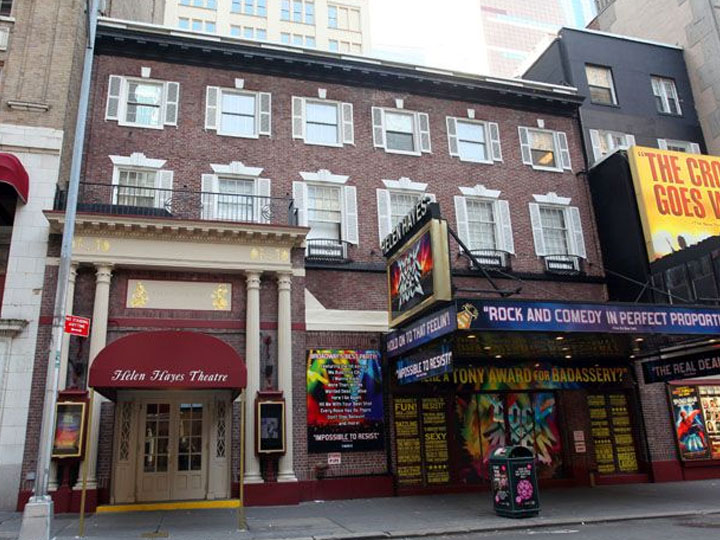
In 1920, Ames turned to Herbert J. Krapp, who had designed many Broadway houses, to rebuild and expand the venue. Krapp added a balcony and increased capacity to 597 seats. Even so, this remains the smallest seating capacity of any Broadway theater today.
From The New York Times Hall to ABC and CBS studios
In 1942, the theater was purchased by The New York Times and converted into a conference space under the name “New York Times Hall.”
From the late 1950s, it was used by ABC television for shows including The Merv Griffin Show, and also served as a studio for CBS Radio productions. During this period, other Broadway houses such as the Cort Theatre (now the James Earl Jones Theatre) were also used for broadcast recordings.
Renamed in honor of the demolished Hayes Theater
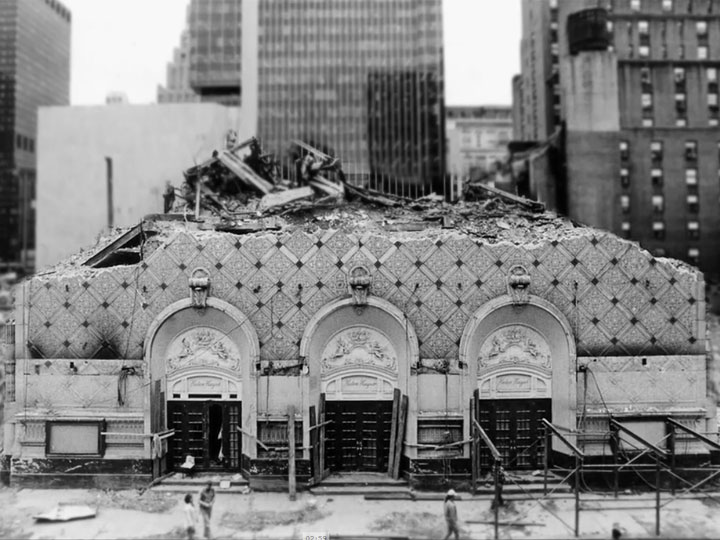
On 46th Street there once stood another Hayes Theater, formerly known as the Fulton Theatre. This beautiful playhouse, famous for its terracotta walls and ornate interior, was named after the legendary actress Helen Hayes. In 1982, however, it was demolished to make way for the construction of the Marriott Marquis Hotel.
Efforts to save the old Hayes Theater sparked major protests, resulting in more than 160 arrests, but the theater was ultimately torn down. In 1983, to honor Helen Hayes, who was still living at the time, the Little Theatre adopted her name.
Known as the “First Lady of the American Theater,” Helen Hayes Brown made her stage debut at age five and her Broadway debut at age nine. She went on to win Emmy, Grammy, Academy Awards for both Best Actress and Best Supporting Actress, and multiple Tony Awards, including recognition at the very first Tony ceremony. She remains one of America’s most celebrated performers.
A new chapter for the Hayes Theater
In 2008, the Hayes Theater was put up for sale. On April 18, 2015, it was officially purchased by the nonprofit
Second Stage Theatre for $24.7 million (approximately 2.7 billion yen at the time).
Second Stage Theatre commissioned David Rockwell and his Rockwell Group to redesign the venue. While preserving the building’s historic exterior, they introduced a modern, stylish interior, expanded restrooms and dressing rooms, and added elevators and wheelchair accessible seating, creating a fully barrier free space.
Founded in 1994, the Rockwell Group is a renowned design firm led by Tony Award winning architect David Rockwell, with projects ranging from MetLife Stadium to numerous high profile corporate spaces.
Architectural style of the Hayes Theater
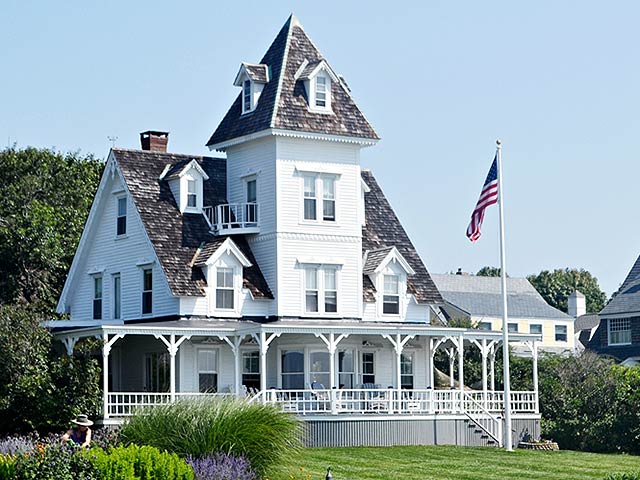
Modeled after a New England house
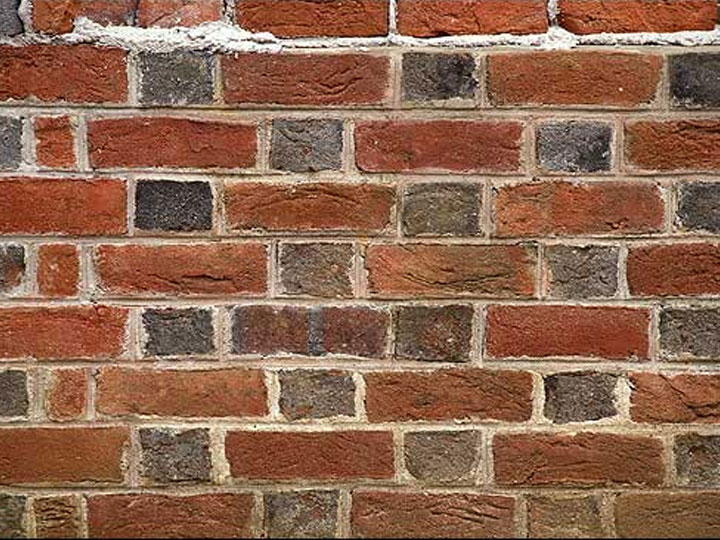
The original Little Theatre was designed by Ingalls and Hoffman, who had met at the Ecole des Beaux-Arts in Paris before relocating to New York in 1910. Their design drew on the look of New England homes, featuring the Flemish bond brick style combined with multipaned windows and wrought iron balconies.
What is New England style?
New England refers to the six northeastern states of the United States: Connecticut, Maine, Massachusetts, New Hampshire, Rhode Island, and Vermont. Before America’s Declaration of Independence in 1776, this region was the center of Britain’s colonies in America. Its towns are known for European influenced architecture, including many colonial style houses, of which New England style is a representative example.
* Colonial style refers to the architecture and furnishings of America’s colonial period. The term comes from the English word “colony” or the Spanish word “colonia.”
What is Flemish bond?
Brick walls use various construction methods to reinforce strength and stability. Flemish bond alternates long and short bricks in each row, creating a distinctive colorful pattern. While once common in early 20th century Japan, by the late Meiji era it was largely replaced by English bond, in which all bricks in a row are uniform in size.
What is Federal style?
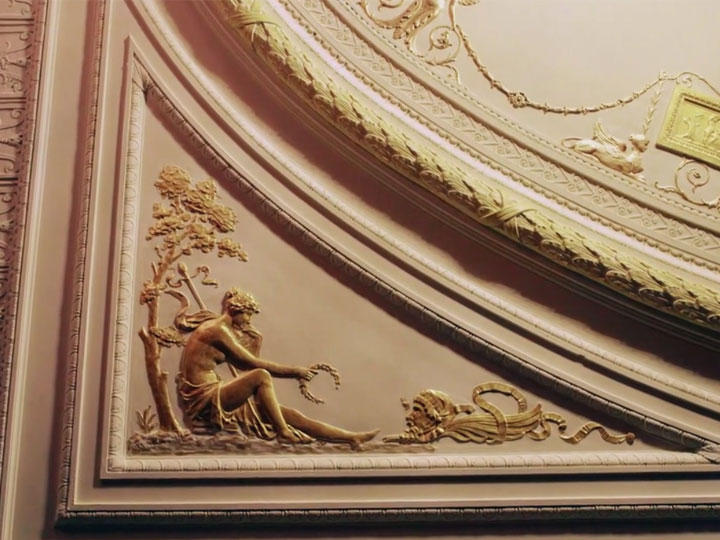
The interior features the Federal style, also known as Adam style, characterized by elegance and European refinement. This neoclassical style, popular in the 18th century, combined intricate decorative painting with stucco, a plaster resembling marble, to create richly detailed interiors.
 Broadway Musical Discount Tickets – On Sale Now!
Find the best Broadway ticket deals right here –
faster, cheaper, and backed by local expertise. Get ready to experience the magic of Broadway!

- Get discount tickets easily with instant booking
- The most detailed musical guides and reviews
- Dedicated support throughout your Broadway experience











 Lines,
42 St – Times Square / Port Authority Stationstation (About a 8-minute walk)
Lines,
42 St – Times Square / Port Authority Stationstation (About a 8-minute walk)