Address, opening, capacity of Lyric Theatre
Basic Information about the Lyric Theatre in NYC
|
Address: |
214 W 43rd St, New York, NY 10036(
Map )
Located on 43 Street, between 7th Avenue and 8th Avenue
|
|
Opened: |
1998 |
|
Capacity: |
1,622 seats |
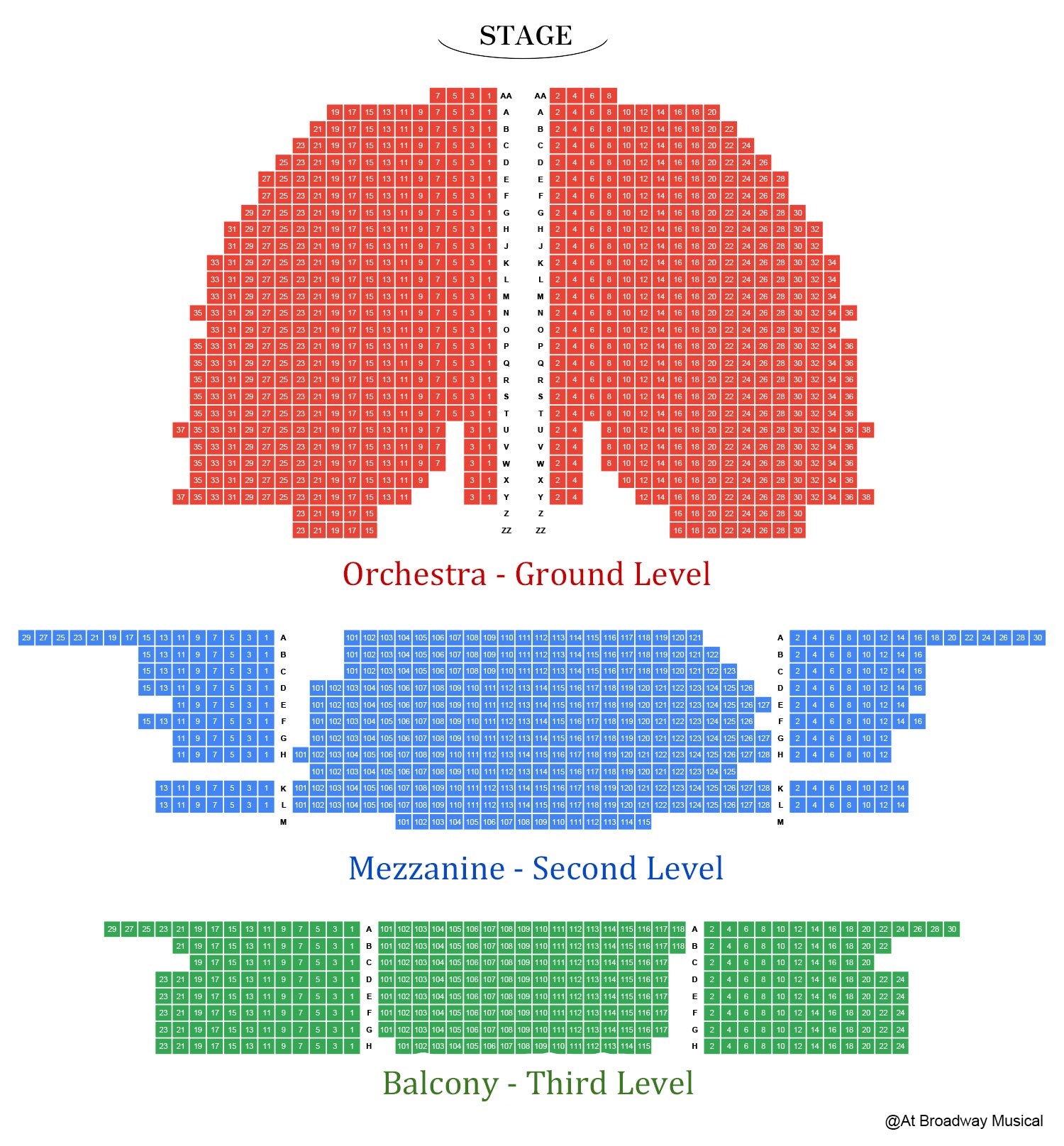
Seating Chart of Lyric Theatre
The Lyric Theatre has a seating capacity of 1,622 seats, divided into three main sections: Orchestra (1st level), Mezzanine (2nd level), and Balcony (3rd level).
*Click to view larger image
View from the seat of Lyric Theatre
You can view real seat photos from inside the the Lyric Theatre to see the stage from sections. These images help you choose the seating option that best suits your Broadway experience.
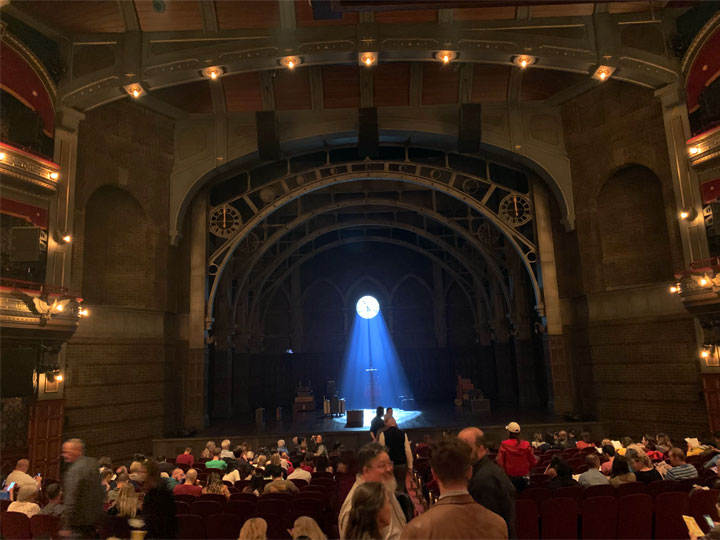
Orchestra Row K
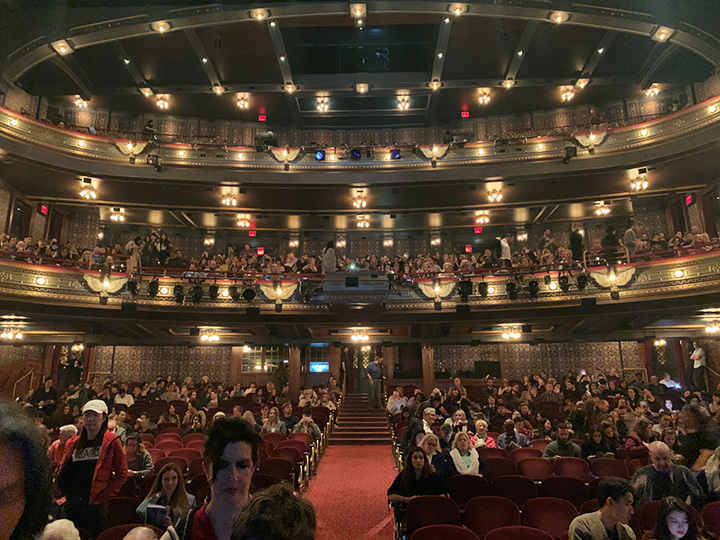
From Orchestra
Directions to Lyric Theatre
Access to Lyric Theatre are most commonly by taking the New York City Subway (MTA).
The area around the theatre becomes very crowded close to showtime, so whether you are arriving by subway or taxi, please allow extra time to reach the venue.
Map, location of Lyric Theatre
Here is the map of the Lyric Theatre.
Best hotels near the Lyric Theatre
Discover the best hotels near the Lyric Theatre. Stay within walking distance of Broadway and enjoy easy access to shows, restaurants, and attractions.
The list of recommended hotels near the theater:
History of the Lyric Theatre
Two theatres become one
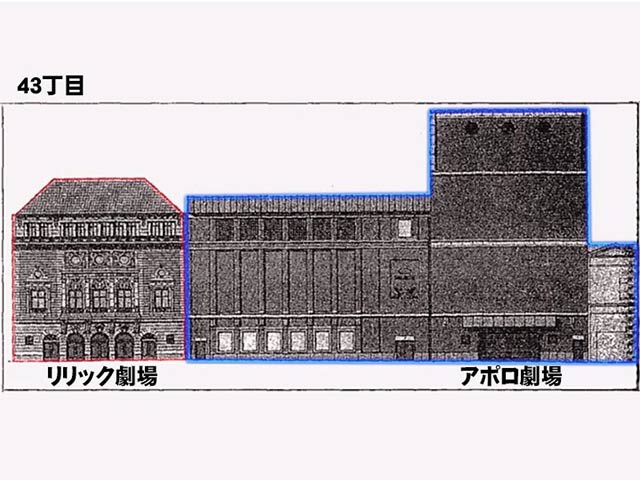
The Lyric Theatre, as it stands today, was built in 1998 by demolishing and rebuilding two former theatres on the same site, the original Lyric Theatre and the Apollo Theatre. The project took about a year, and the new venue opened as what is known as
the newest Broadway theatre currently in operation.
About the original Lyric Theatre
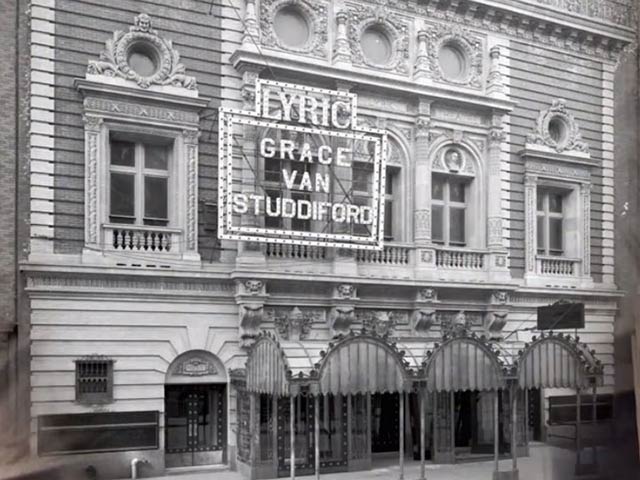
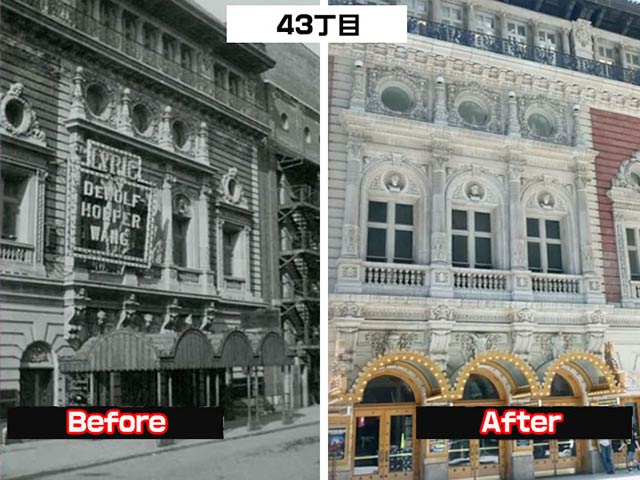
The original Lyric Theatre was built in 1903 by composer and music critic Reginald De Koven, who commissioned developer Eugene C. Potter to construct it.
Soon after, the theatre was acquired by the Shubert family, who owned many Broadway theatres. It staged popular productions, including Shakespeare plays, but after the success of Cole Porter’s hit
Fifty Million Frenchmen, the theatre was hit hard by the Great Depression. Attendance declined and in 1934 it was converted into a movie theatre, a use that continued for 58 years until 1992.
About the original Apollo Theatre
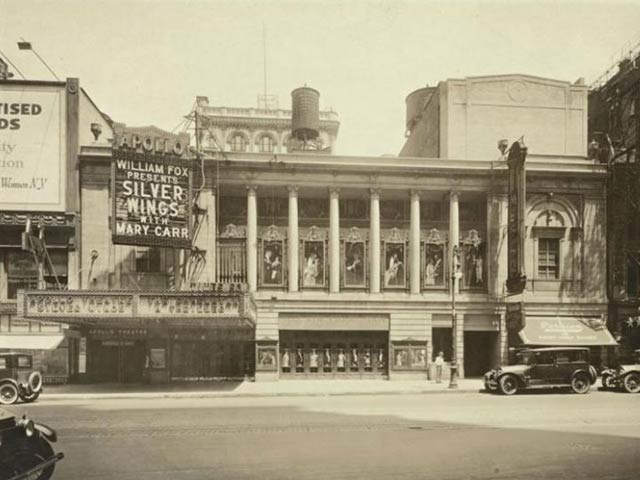
This theatre was built in 1910 by architect Eugene De Rosa, known for designing Studio 54 and several Broadway houses. In 1920, it was purchased and renovated by the Selwyn brothers, who renamed it the Apollo Theatre.
Like the Lyric, the Apollo was converted into a movie theatre during the Great Depression. It was later acquired by the Brandt Organization and briefly returned to live theatre, but by 1983 it had once again become a movie house, then a nightclub, and ultimately stood unused for years.
Redevelopment under Mayor Giuliani’s 42nd Street initiative
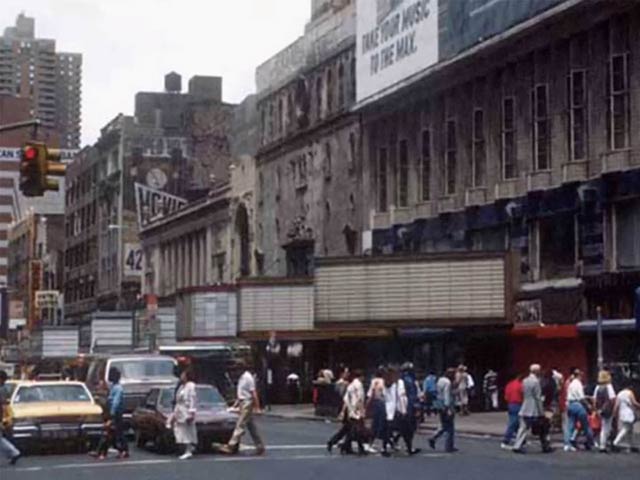
By the 1970s and 80s, Times Square and the surrounding 42nd Street area had fallen into decline, and the dilapidated Apollo and Lyric theatres were seen as eyesores that contributed to crime and urban blight. In the 1990s, newly elected mayor
Rudolph Giuliani, working with the state, announced a
redevelopment plan to revitalize the district and restore its theatres.
As part of this plan, the City and State of New York acquired the Apollo and original Lyric, placed them under preservation, and carried out their demolition and rebuilding into the new Lyric Theatre. Giuliani’s bold law-and-order policies and urban renewal efforts drew worldwide media attention, which we cover in detail on a separate page.
Renaming and reopening under different titles
In 1998, the theatre reopened with the musical Ragtime under the name “The Ford Center for the Performing Arts,” beginning a new chapter in its history.
In 2005, the venue was renovated to host the U.S. premiere of Chitty Chitty Bang Bang and was renamed “The Hilton Theatre.” Later, Young Frankenstein ran until January 4, 2009. After it closed, the theatre remained dark for much of that year.
The Spider-Man musical and financial troubles
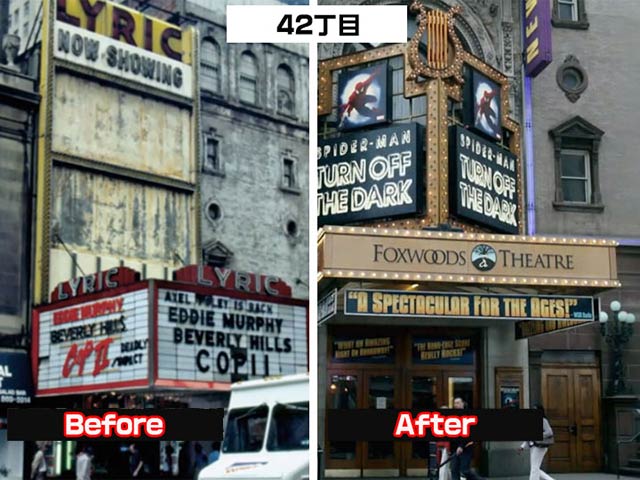
In August 2010, the venue was renamed the Foxwoods Theatre through a partnership with Foxwoods Resort Casino and Live Nation. The Broadway musical adaptation of Marvel’s “Spider-Man” was launched with great anticipation. However, repeated delays, budget overruns, and technical difficulties plagued the production. It finally opened on June 14, 2011, but a series of onstage accidents and high costs led to its closure after just seven months.
With an unprecedented production budget of $65 million, it became Broadway’s most expensive show, ultimately losing an estimated $60 million. Unable to sustain the run, the show closed, and the theatre’s ownership soon changed hands.
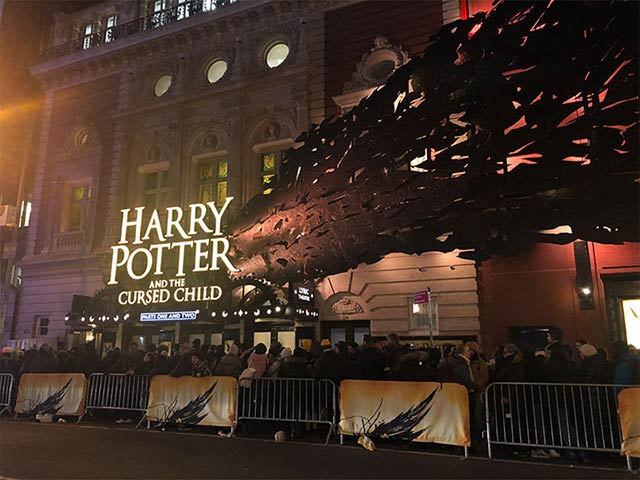
In 2013, the UK-based Ambassador Theatre Group purchased the venue, marking its first Broadway theatre acquisition. In 2014, it was officially renamed
the Lyric Theatre, the name it continues to use today.
Architectural style of the Lyric Theatre
Design elements preserved from the original theatres
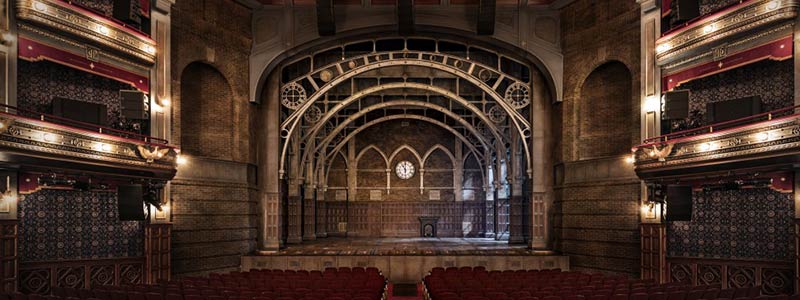
The architectural firm Beyer Blinder Belle, known for restoration work on the Empire State Building and Grand Central Terminal, oversaw the construction of the new Lyric Theatre. Although the original Lyric and Apollo were built in different architectural styles, both were historic early 20th-century theatres. Decorative elements from each were carefully removed and incorporated into the new building.
The facades of the original Lyric Theatre on 42nd and 43rd Streets were faithfully preserved and reinstalled. Inside, design details from the Apollo were carried over, including the domed ceiling and the grand lobby staircase.
According to general manager Erich Jungwirth, although 95% of the building’s structure was newly built, the interior design recreates the look and feel of the original theatres so convincingly that “95% feels like the old house.”
 Broadway Musical Discount Tickets – On Sale Now!
Find the best Broadway ticket deals right here –
faster, cheaper, and backed by local expertise. Get ready to experience the magic of Broadway!

- Get discount tickets easily with instant booking
- The most detailed musical guides and reviews
- Dedicated support throughout your Broadway experience











 Lines,
42 St – Times Square / Port Authority Stationstation (About a 5-minute walk)
Lines,
42 St – Times Square / Port Authority Stationstation (About a 5-minute walk)