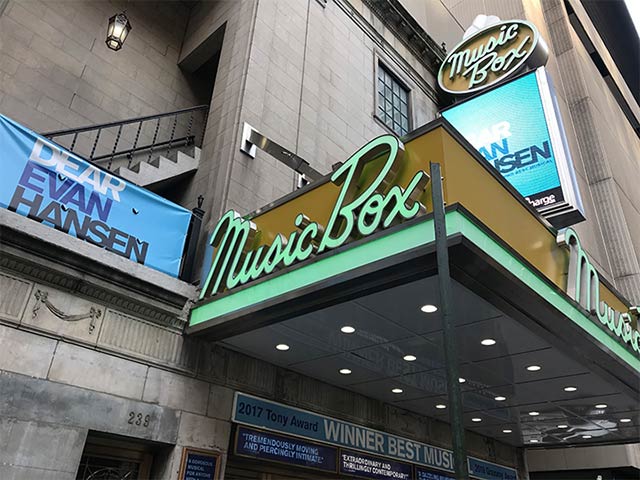
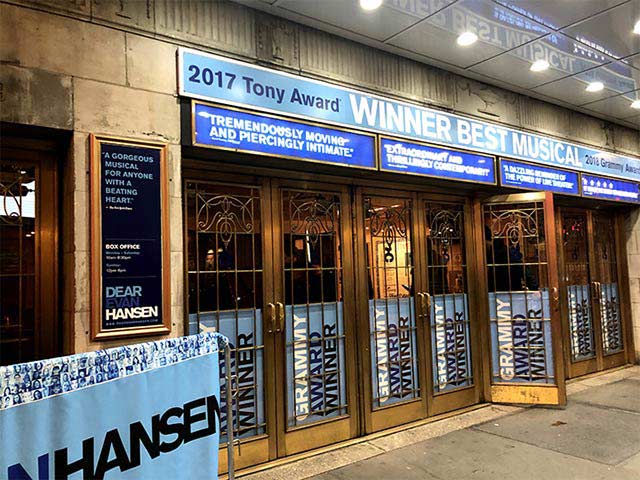
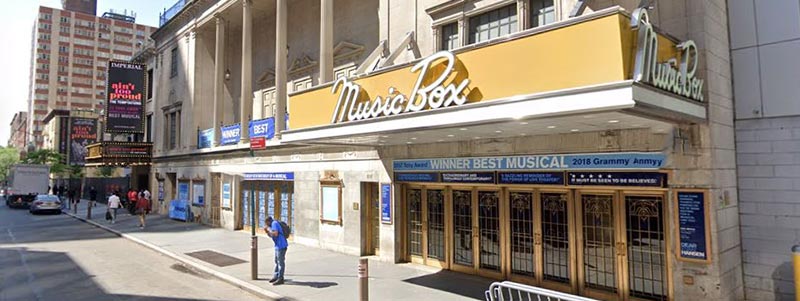
Address, opening, capacity of Music Box Theatre
Basic Information about the Music Box Theatre in NYC
|
Address: |
239 W 45th St, New York, NY 10036(
Map )
Located on 45 Street, between 7th Avenue and 8th Avenue
|
|
Opened: |
1921 |
|
Capacity: |
1,025 seats |
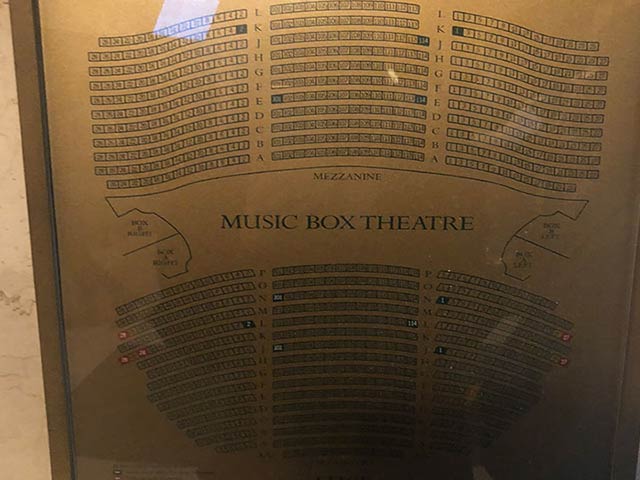
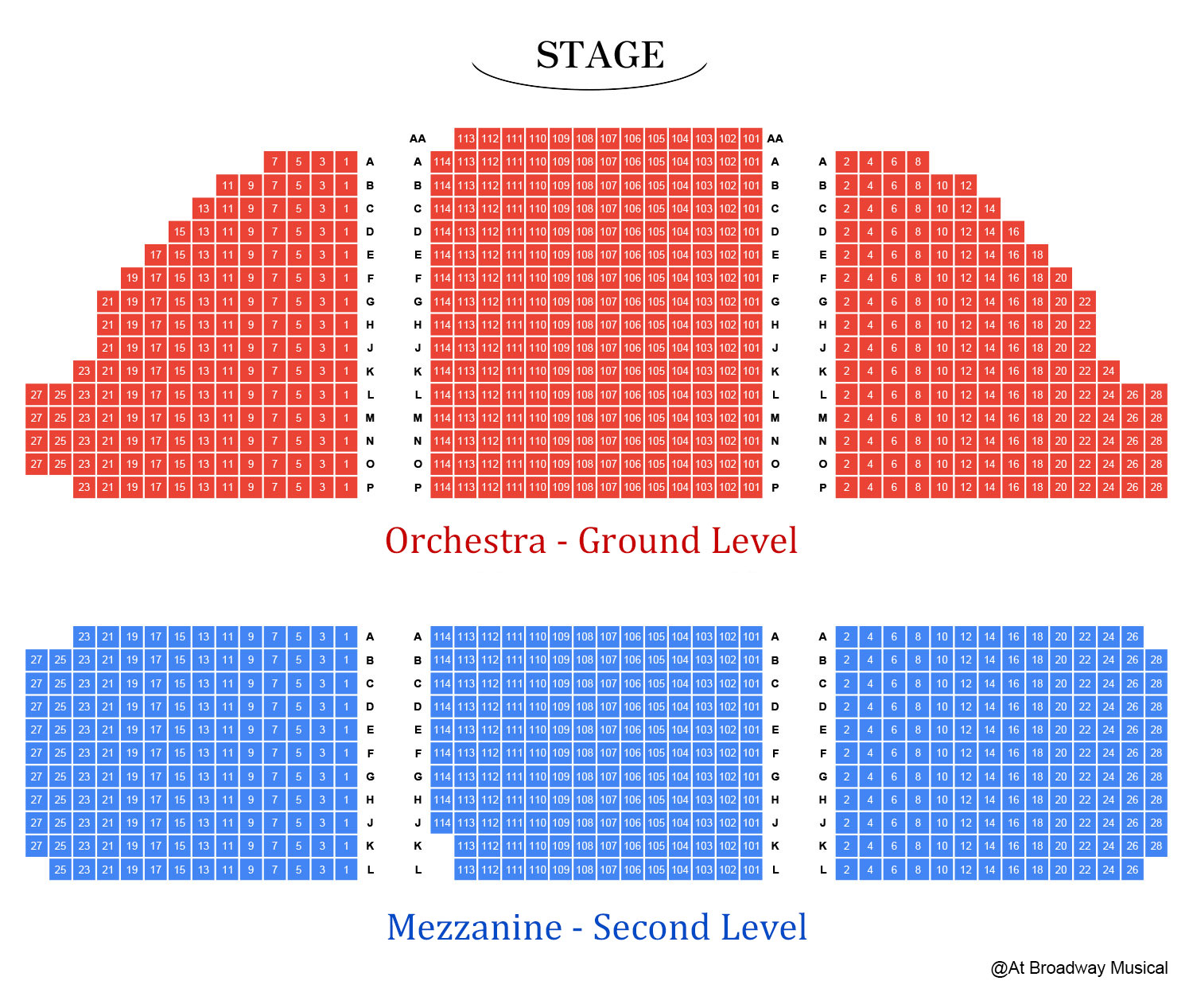
Seating Chart of Music Box Theatre
The Music Box Theatre has a seating capacity of 1,025 seats, divided into two main sections: Orchestra (1st level) and Mezzanine (2nd level).
*Click to view larger image
Directions to Music Box Theatre
Access to Music Box Theatre are most commonly by taking the New York City Subway (MTA).
The area around the theatre becomes very crowded close to showtime, so whether you are arriving by subway or taxi, please allow extra time to reach the venue.
Map, location of Music Box Theatre
Here is the map of the Music Box Theatre.
Best hotels near the Music Box Theatre
Discover the best hotels near the Music Box Theatre. Stay within walking distance of Broadway and enjoy easy access to shows, restaurants, and attractions.
The list of recommended hotels near the theater:
History of the Music Box Theatre
The name comes from the revue “The Music Box Revue”
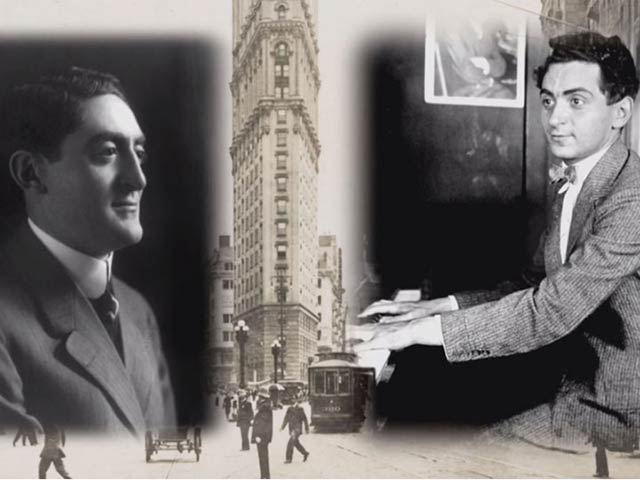
The Music Box Theatre was founded in 1921 by producer Sam Harris, composer Irving Berlin, and noted architect C. Howard Crane.
Originally a businessman managing a boxing gym and working as a lozenge salesman, Sam Harris began his career as a Broadway producer in 1904 when he co-produced the play “Little Johnny Jones” with George M. Cohan, often called the father of Broadway musicals.
Later, after achieving success with “Yankee Doodle,” Harris teamed up with his friend Irving Berlin to create a musical revue. In 1919 they began developing “The Music Box Revue,” which became the inspiration for the theater’s name.
In 1921, Harris built the Music Box Theatre as the venue to stage “The Music Box Revue,” naming the theater after the production. At the time, as the film industry was rapidly growing, many assumed the new theater would soon fail with its focus on revues. Contrary to those expectations, the Music Box Theatre managed to run profitably, presenting new revue productions one after another.
What is a revue?
A revue is a form of popular entertainment similar to opera or musicals, combining music, dance, and short sketches in one performance. Unlike musicals, it does not have a continuous storyline but instead deals with general themes or current events. Revues became popular in the late 19th century, offering audiences a mix of songs and dance numbers, and are often regarded as the forerunners of modern musicals.
The first home of “Chicago”
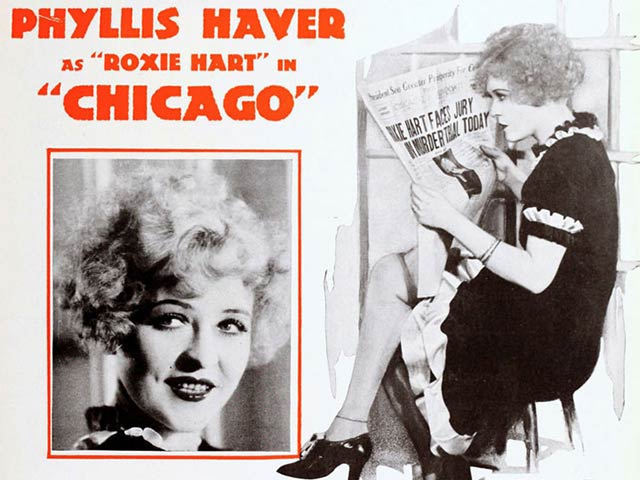
In 1926, the Music Box Theatre hosted the premiere of “Chicago,” a play written by Maurine Dallas Watkins.
Although it ran for only 172 performances and was not a long-running hit at the time, actress Gwen Verdon later recognized its potential as a musical. Through her husband, choreographer Bob Fosse, she repeatedly petitioned Watkins for the rights to adapt the play, though Watkins refused. Only after Watkins’ death were the rights obtained, paving the way for the creation of the blockbuster musical “Chicago.”
Surviving the Great Depression and staging Tony-winning hits
In the 1930s, the Great Depression devastated Broadway’s show business, keeping many people away from theaters. Yet the Music Box Theatre continued to attract audiences. One notable success was “Topaze,” a French comedy starring Frank Morgan, which resonated with audiences of the time and became a hit.
In the 1950s, playwright William Inge made the Music Box his creative home. His works included “Picnic” (477 performances, Tony Award for Best Direction of a Play at the 7th Tonys), “Bus Stop” (478 performances, 4 Tony nominations at the 10th Tonys), and “The Dark at the Top of the Stairs” (468 performances, 5 nominations at the 12th Tonys).
In 1978, a young Victor Garber (later known as Andrews in the film “Titanic”) appeared in “Deathtrap.” The suspense comedy became Broadway’s longest-running play in its genre, with 1,800 performances over four years, and earned 4 Tony nominations at the 32nd Tonys.
In December 2007, Tracy Letts’ play “August: Osage County” premiered here. It won the Pulitzer Prize for Drama and the Tony Award for Best Play at the 62nd Tonys. Lead actress Deanna Dunagan also won the Tony Award for Best Actress in a Play.
Since then, productions such as “Superior Donuts” have been staged, with the theater frequently changing its repertoire. Given its relatively small size compared to other Broadway venues and its history, the Music Box Theatre is considered an ideal space for plays rather than musicals, and is widely recognized as a favorite venue for drama.
Architectural style of the Music Box Theatre
An elegant design by C. Howard Crane
When Harris and Berlin decided to build the Music Box Theatre, they spared no expense and hired renowned architect C. Howard Crane. Over his lifetime, Crane designed more than 250 theaters and is also known for designing the August Wilson Theatre.
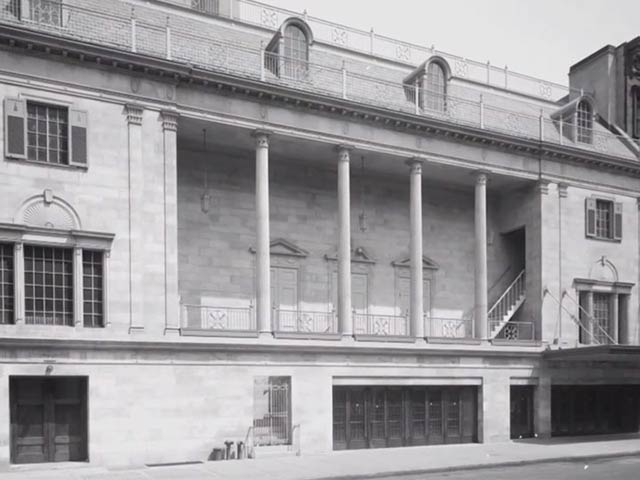
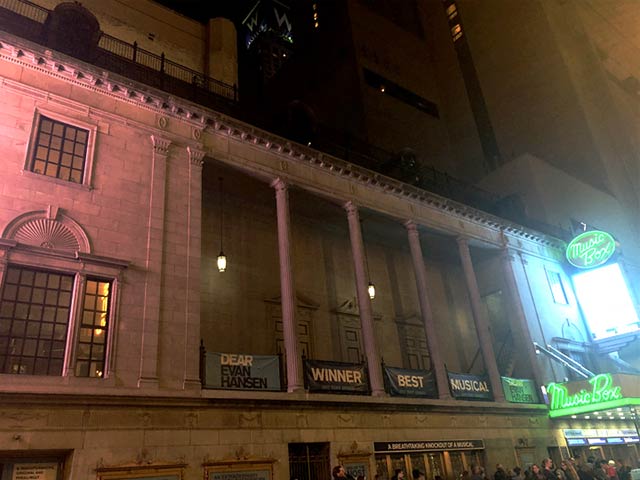
Designed in the Neo-Georgian style, popular in Britain from the reign of George I to George IV (1714-1830), the Music Box Theatre is clad entirely in limestone, giving it a distinctive whiteness. Its design is simple yet evocative of 18th-century English architecture.
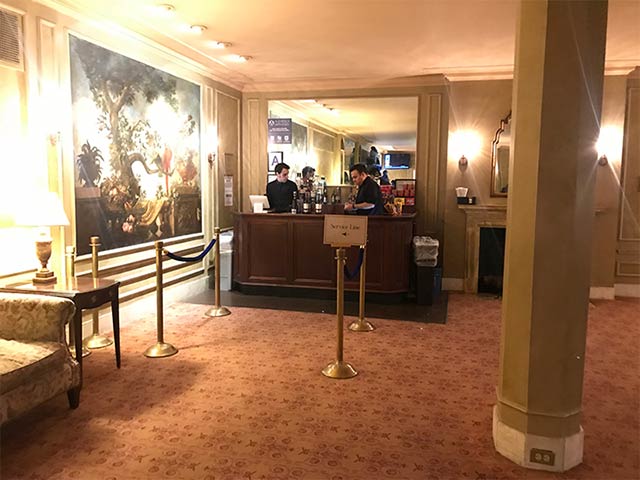
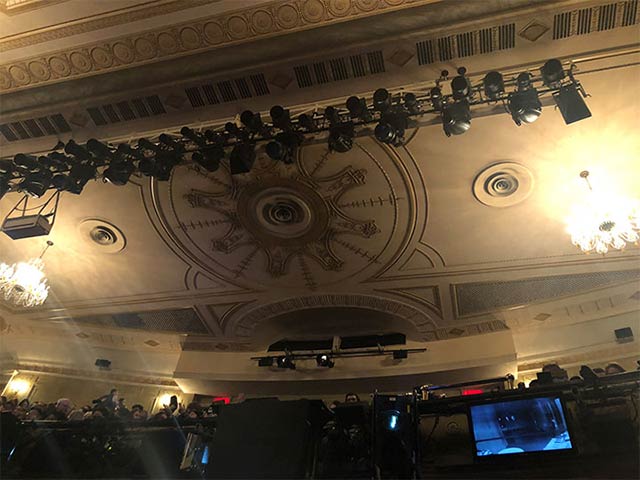
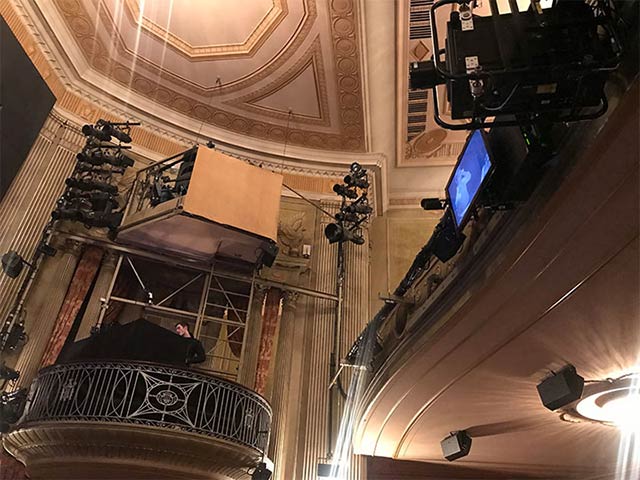
It is the only Broadway theater built with limestone, and its interior color scheme was chosen to match the exterior. The theater even features a fountain in the lobby, and while the seating area is relatively simple, the four chandeliers above add a graceful atmosphere.
Seating tips at the Music Box Theatre
While many assume the first few rows are the best seats in any musical, at the Music Box Theatre the front row is very close to the stage, forcing you to look up at the performance. The seating rake is also quite shallow, so your view can be blocked if a tall person sits in front of you. The most recommended seats are mid-orchestra or the front of the mezzanine.
 Broadway Musical Discount Tickets – On Sale Now!
Find the best Broadway ticket deals right here –
faster, cheaper, and backed by local expertise. Get ready to experience the magic of Broadway!

- Get discount tickets easily with instant booking
- The most detailed musical guides and reviews
- Dedicated support throughout your Broadway experience



 Lines,
49 Ststation (About a 6-minute walk)
Lines,
49 Ststation (About a 6-minute walk)