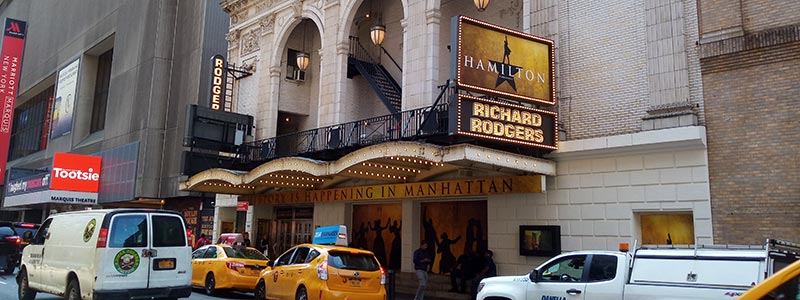
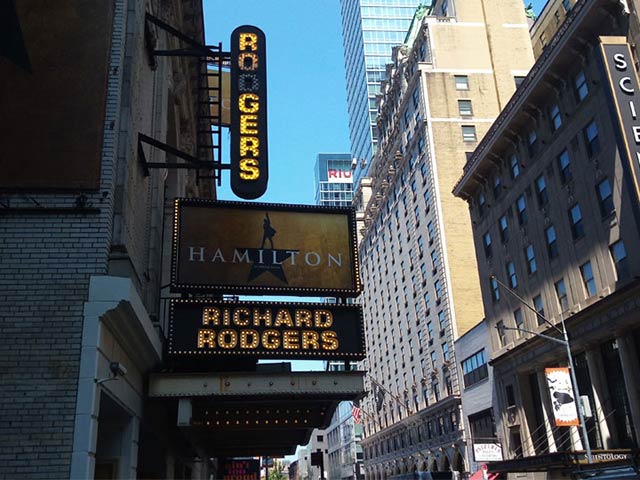
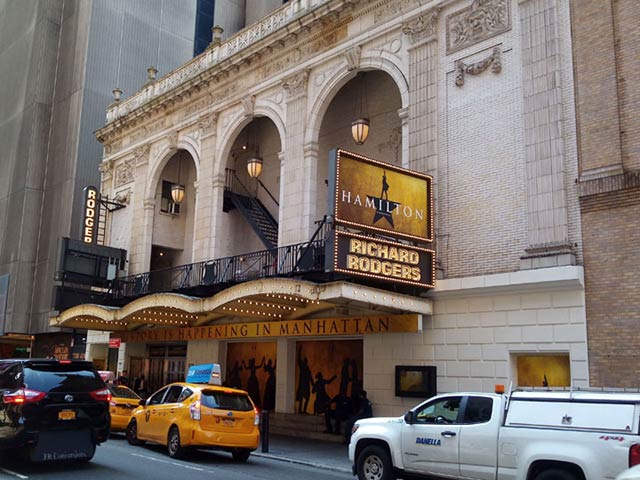
Address, opening, capacity of Richard Rodgers Theatre
Basic Information about the Richard Rodgers Theatre in NYC
|
Address: |
226 W 46th St, New York, NY 10036(
Map )
Located on 46 Street, between 7th Avenue and 8th Avenue
|
|
Opened: |
1925 |
|
Capacity: |
1,319 seats |
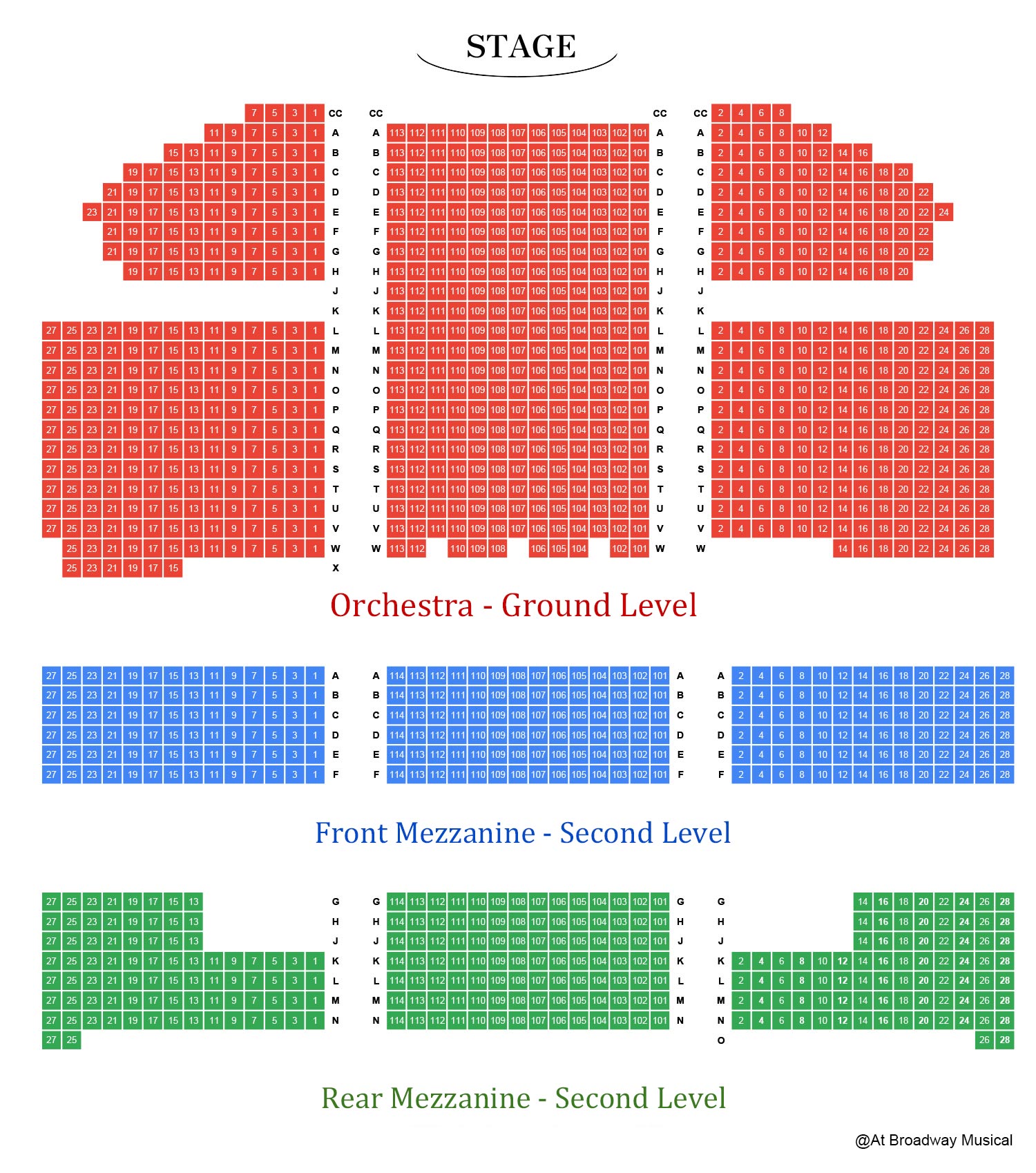
Seating Chart of Richard Rodgers Theatre
The Richard Rodgers Theatre has a seating capacity of 1,319 seats, divided into three main sections: Orchestra (1st level), Mezzanine (2nd level), and Balcony (3rd level).
*Click to view larger image
Directions to Richard Rodgers Theatre
Access to Richard Rodgers Theatre are most commonly by taking the New York City Subway (MTA).
The area around the theatre becomes very crowded close to showtime, so whether you are arriving by subway or taxi, please allow extra time to reach the venue.
Nearest Subway Station:


 Lines,
49 Ststation (About a 5-minute walk)
Lines,
49 Ststation (About a 5-minute walk)

 Lines,
50 Ststation (About a 8-minute walk)
Lines,
50 Ststation (About a 8-minute walk)
 Lines,
50 Ststation (About a 8-minute walk)
Lines,
50 Ststation (About a 8-minute walk)
Map, location of Richard Rodgers Theatre
Here is the map of the Richard Rodgers Theatre.
Best hotels near the Richard Rodgers Theatre
Discover the best hotels near the Richard Rodgers Theatre. Stay within walking distance of Broadway and enjoy easy access to shows, restaurants, and attractions.
The list of recommended hotels near the theater:
History of the Richard Rodgers Theatre
Founded as Chanin’s 46th Street Theatre
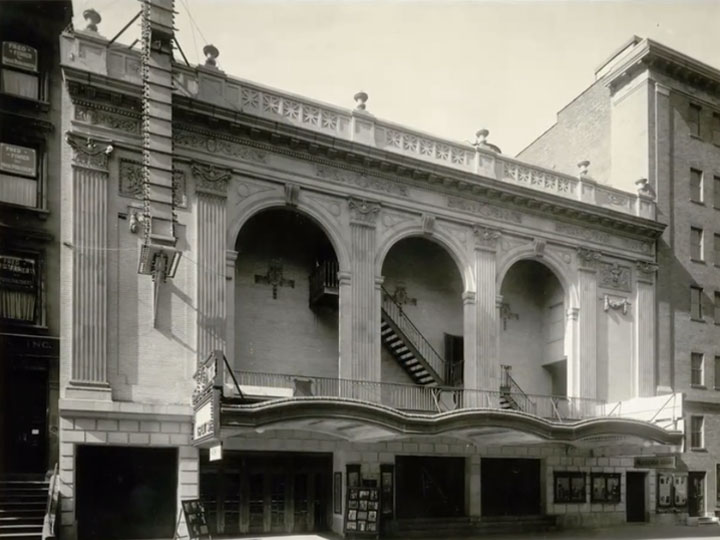
The Richard Rodgers Theatre was originally built in 1925 under the name Chanin’s 46th Street Theatre. The Chanin brothers, well known in New York real estate development, branched into show business in the 1920s and commissioned this theatre as their first venture into Broadway.
They also played a role in developing the John Golden Theatre, Bernard B. Jacobs Theatre, and the Majestic Theatre, leaving a lasting mark on Broadway history.
The theatre’s first performance was The Greenwich Village Follies, followed by shows such as
Is Zat So? in 1926 and the hit *Good News* in 1927, which helped the venue gain early recognition.
Soon afterward, the Chanin brothers leased the theatre to the major operator Shubert Organization. In 1931, Shubert purchased the building outright and renamed it the 46th Street Theatre.
Multiple owners, continued production of Tony Award winners
In 1945, real estate investor and philanthropist Robert W. Dowling acquired the 46th Street Theatre. Dowling was instrumental in restoring the nearby Lunt-Fontanne Theatre (then the Globe Theatre) into a musical venue, and he was honored with a Special Tony Award in 1948.
In 1950, *Guys and Dolls* opened here and ran for about 1,200 performances over three years, winning five Tony Awards including Best Musical.
In 1960, producer Lester Osterman bought the theatre and in 1961 premiered *How to Succeed in Business Without Really Trying*, which ran 1,417 performances and won seven Tonys including Best Musical. Later, *1776* (1969) also earned the Best Musical award. Osterman sold the theatre in 1978 to producers Stephen R. Friedman and Irwin Meyer.
Becoming a top-grossing Broadway house
In 1981, the Nederlander Organization purchased the theatre and undertook renovation work.
In 1990, to honor the composer Richard Rodgers, the theatre was renamed the Richard Rodgers Theatre. It remains one of the Nederlander Organization’s top-grossing venues.
“Hamilton” and its record-setting run
The Richard Rodgers Theatre has been home to numerous Tony-winning productions, but perhaps none more acclaimed than
Hamilton. Since its Broadway debut in 2015,
Hamilton earned a record 16 Tony Award nominations and won 11, including Best Musical at the 70th Tony Awards (2016).
It is widely considered among the greatest musicals in Broadway history, and even years after its premiere, securing tickets remains highly competitive.
Architectural style of the Richard Rodgers Theatre
Chanins’ stadium seating concept
In the early days, theatre entrances were often segregated by seat location and ticket class. The Chanin brothers, having grown up in modest circumstances, recalled entering via a side entrance and finding themselves seated at the back, where visibility and comfort were lacking.
To improve viewing for those seated at the rear, they embraced the concept of stadium seating, a design meant to elevate each row so sightlines remain clear. They commissioned Herbert Krapp; widely regarded at the time as a premier theatre architect, to realize this vision.
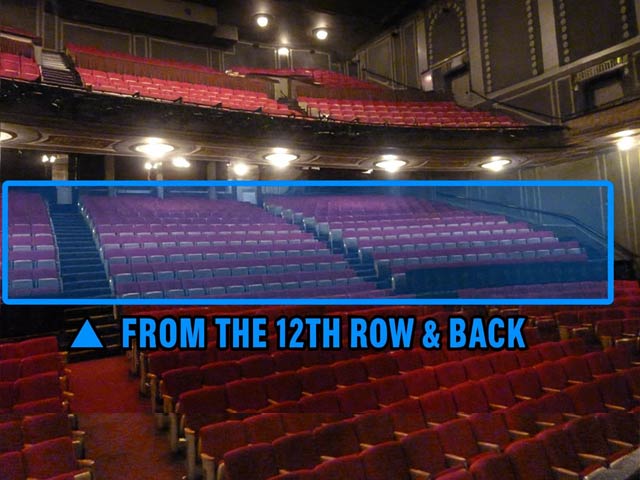
Krapp divided the orchestra into two sections and designed seats from the twelfth row onward to be angled upward, placing them progressively higher via stepped rise. This allowed audiences even at the back of the orchestra to enjoy views akin to those in a mezzanine. That layout remains in place today. Stadium seating is now standard in many venues including sports arenas and concert halls, but in theatre history it is sometimes called “theatre seating,” a practice popularized by this very design.
Krapp elevated the angle of seating and separated distance between rows, so even seats toward the rear enjoyed unobstructed sightlines.
As a result, even the back rows of the orchestra have views that rival mezzanine seating. The theatre continues to use this configuration today.
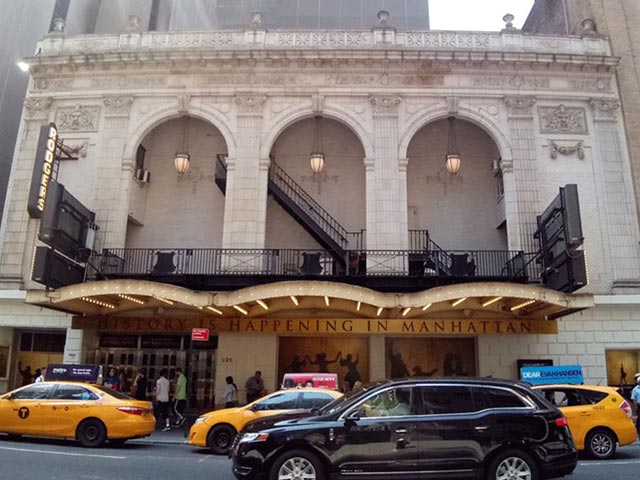
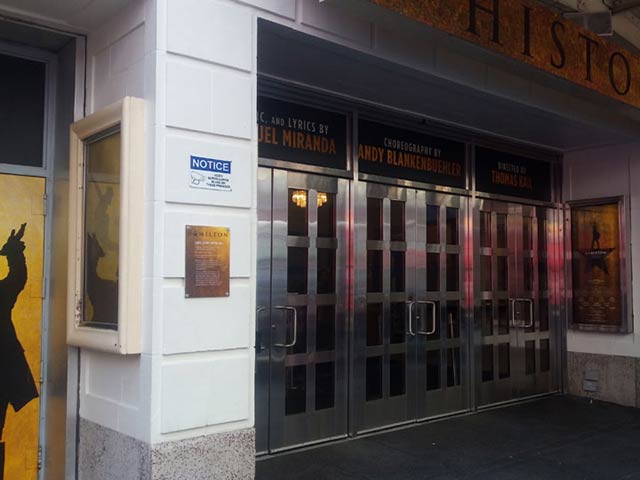
Until the 1920s, theatres commonly had multiple entrances based on ticket class and seating section. The Chanins rejected that model, insisting on a single grand entrance for all patrons regardless of their seats.
Herbert Krapp, who designed more than 15 Broadway theatres, was skilled at maximizing interior space. Notable among his works are the Ambassador Theatre and the Richard Rodgers Theatre, both celebrated for their innovative layouts. His design choices were considered forward-thinking at the time.
 Broadway Musical Discount Tickets – On Sale Now!
Find the best Broadway ticket deals right here –
faster, cheaper, and backed by local expertise. Get ready to experience the magic of Broadway!

- Get discount tickets easily with instant booking
- The most detailed musical guides and reviews
- Dedicated support throughout your Broadway experience