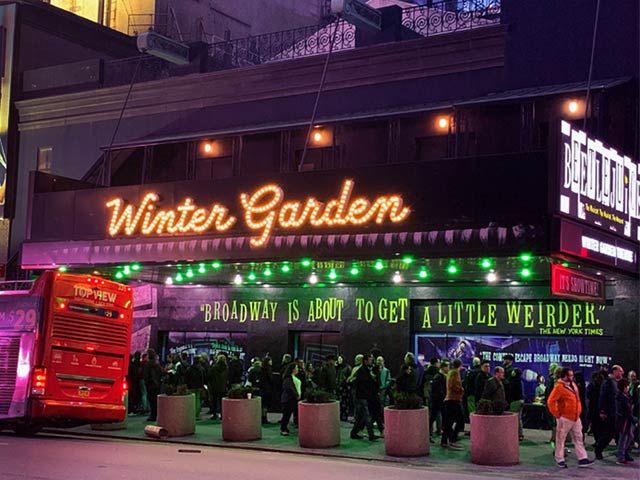
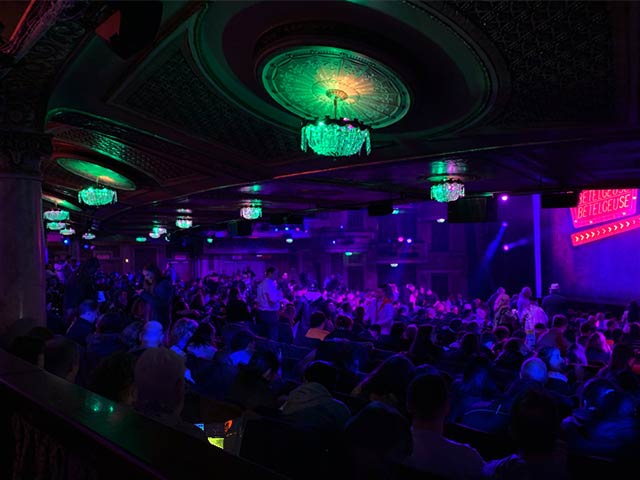
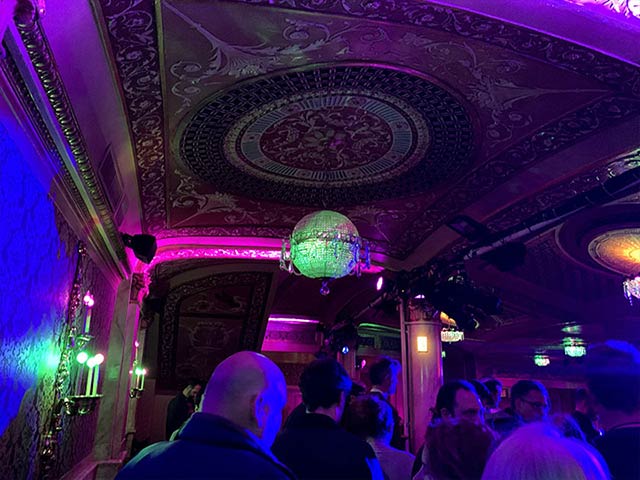
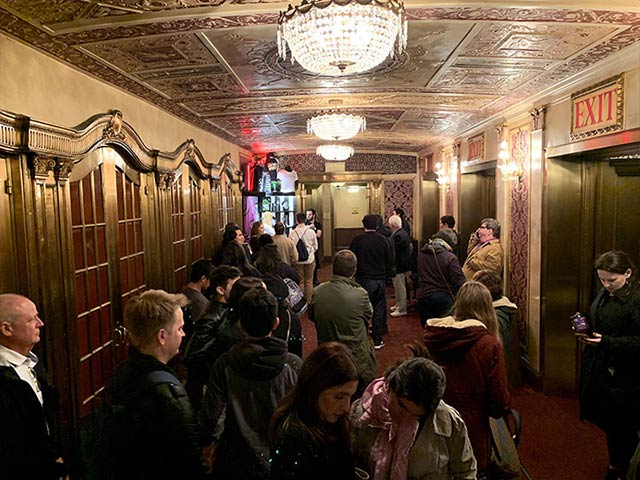
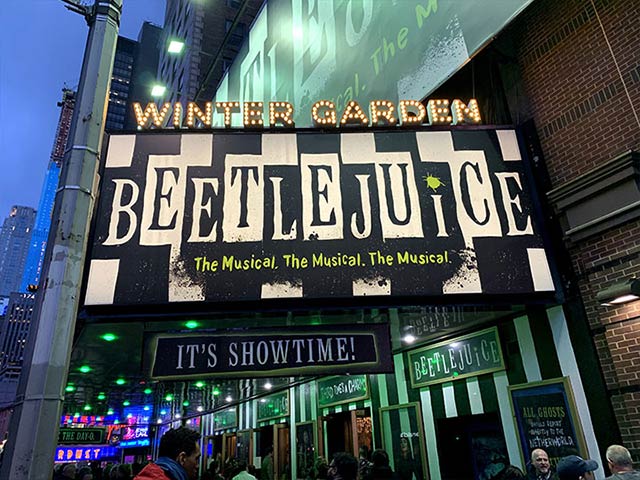
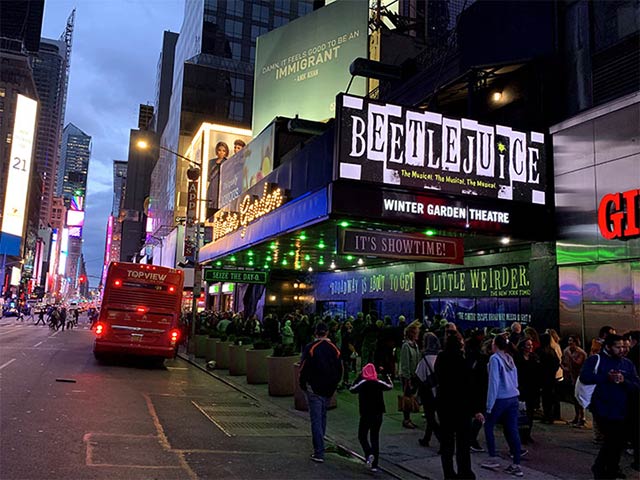
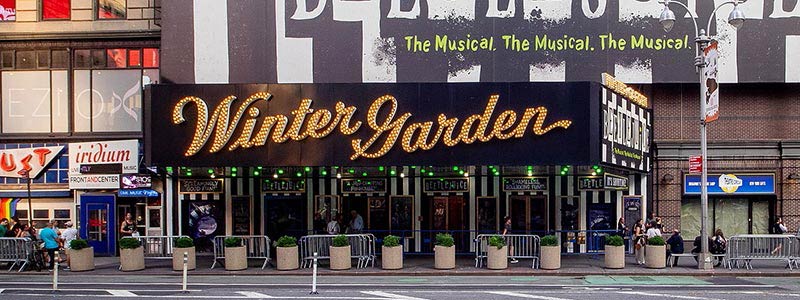
Address, opening, capacity of Winter Garden Theatre
Basic Information about the Winter Garden Theatre in NYC
|
Address: |
1634 Broadway, New York, NY 10019(
Map)
Located on Broadway, between 50 Street and 51 Street
|
|
Opened: |
1911 |
|
Capacity: |
1,526 seats |
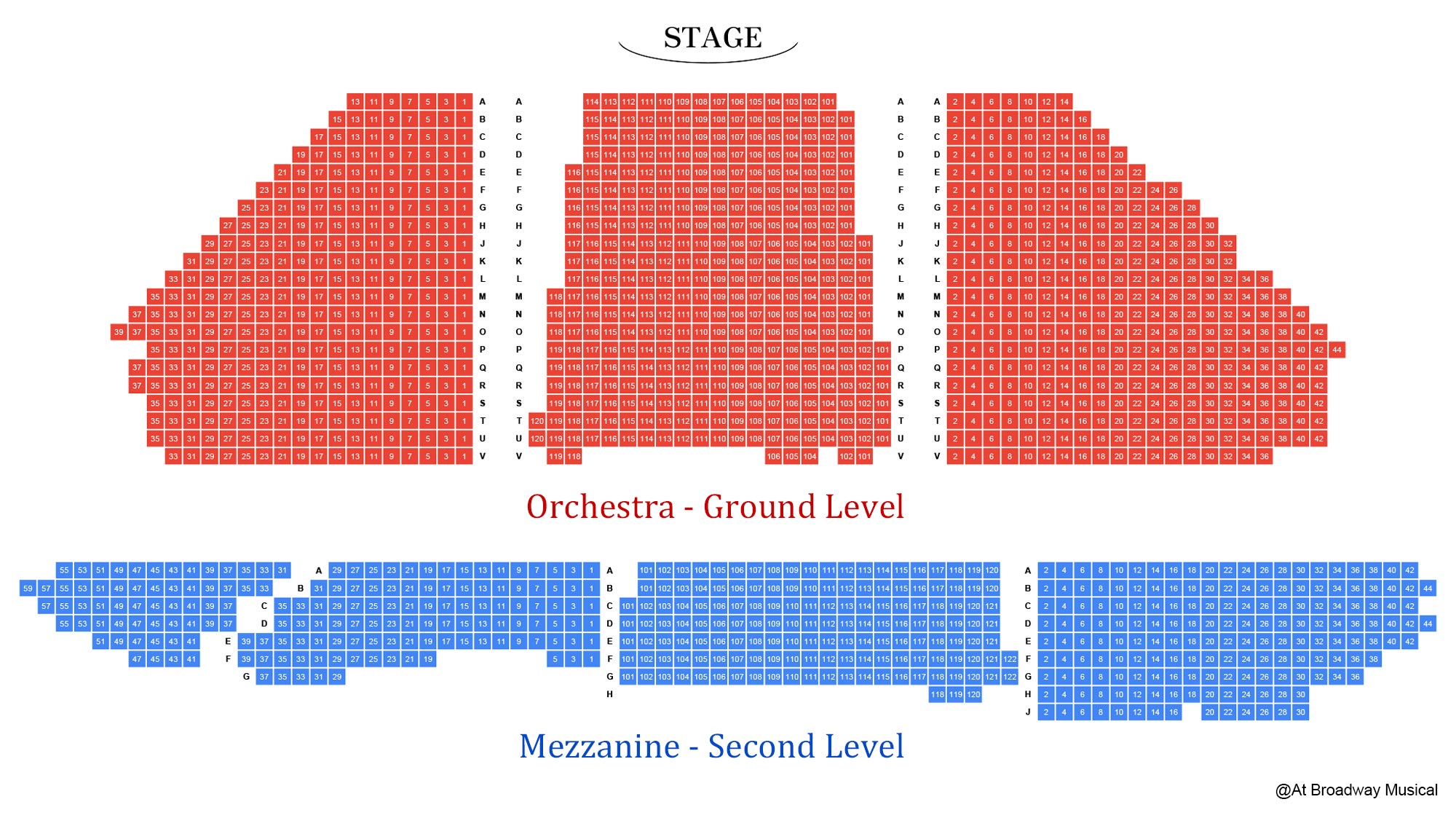
Seating Chart of Winter Garden Theatre
The Winter Garden Theatre has a seating capacity of 1,526 seats, divided into two main sections: Orchestra (1st level) and Mezzanine (2nd level).
*Click to view larger image
View from the seat of Winter Garden Theatre
You can view real seat photos from inside the the Winter Garden Theatre to see the stage from sections. These images help you choose the seating option that best suits your Broadway experience.
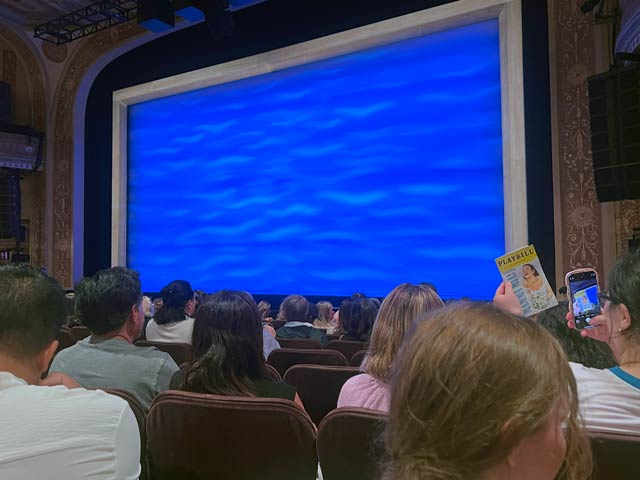
Orchestra Side Row L
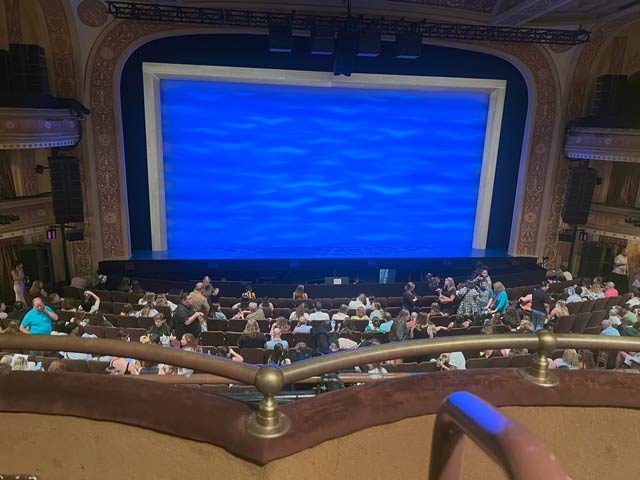
Mezzanine Center Row B
Directions to Winter Garden Theatre
Access to Winter Garden Theatre are most commonly by taking the New York City Subway (MTA).
The area around the theatre becomes very crowded close to showtime, so whether you are arriving by subway or taxi, please allow extra time to reach the venue.
Map, location of Winter Garden Theatre
Here is the map of the Winter Garden Theatre.
Best hotels near the Winter Garden Theatre
Discover the best hotels near the Winter Garden Theatre. Stay within walking distance of Broadway and enjoy easy access to shows, restaurants, and attractions.
The list of recommended hotels near the theater:
History of the Winter Garden Theatre
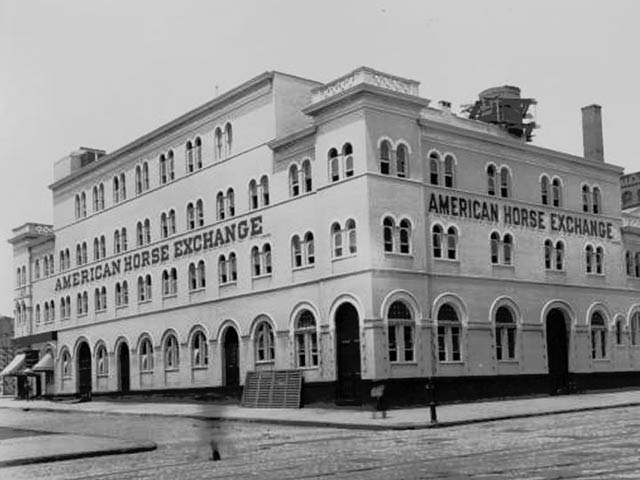
Originally a horse exchange operated by the Vanderbilts
Located on Broadway, the Winter Garden Theatre began its life in 1896 as a horse exchange established by William Kissam Vanderbilt, grandson of railroad magnate Cornelius Vanderbilt. At that time, horse-drawn carriages filled the streets of New York, and Times Square was the center of horse trading, with many similar facilities across the city.
Founder: William Kissam Vanderbilt
William Kissam Vanderbilt, founder of the Winter Garden, was the grandson of Cornelius Vanderbilt, who built a vast fortune in shipping and railroads. The Vanderbilt family rose to prominence in the 19th century, joining America’s wealthiest industrial dynasties alongside John D. Rockefeller, Andrew Carnegie, and Henry Ford, shaping the nation’s industrial revolution.
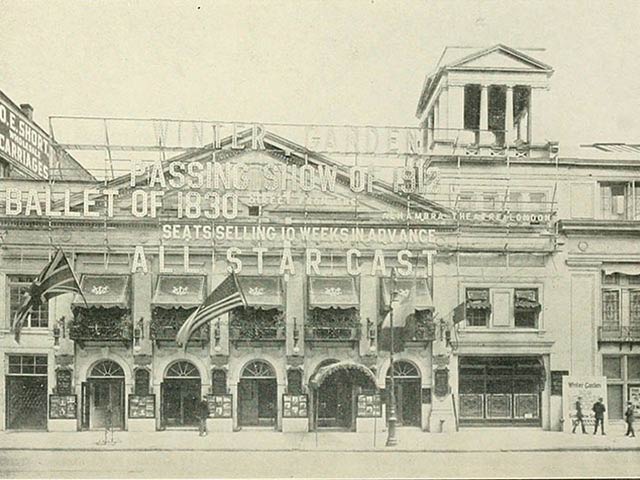
With the arrival of automobiles, horse-drawn carriages disappeared from city streets, and in 1911 the horse exchange was purchased by the Shubert brothers of the Shubert Organization, who converted it into a Broadway theatre. While the Vanderbilt family’s prominence faded, the Winter Garden Theatre became part of the thriving theatre scene around Times Square. It briefly operated as a cinema between 1928 and 1933, and again in 1945, before returning to its role as a live theatre.
Architectural style of the Winter Garden Theatre
First Broadway theatre to feature a runway stage
When the Shuberts converted the horse exchange into a theatre in 1911, architect William Albert Swasey redesigned the building with an English garden motif. While the concept suggested a traditional atmosphere, the actual stage design was unusually bold. The original roof was preserved, the ceiling painted sky blue, and latticework added to the walls. A year later, a runway was installed extending from the stage into the audience, creating an intimate connection between performers and spectators.
In its early years, the Winter Garden even featured productions with large water tanks on stage, embracing experimental staging. By the 1920s, the theatre was again remodeled to match changing tastes. In 1923, architect Herbert J. Krapp oversaw a major renovation, restoring elements of the original horse exchange while transforming the interior with the refined Adam style of 18th-century Britain. Though the runway was removed, the theatre retained its distinctive character.
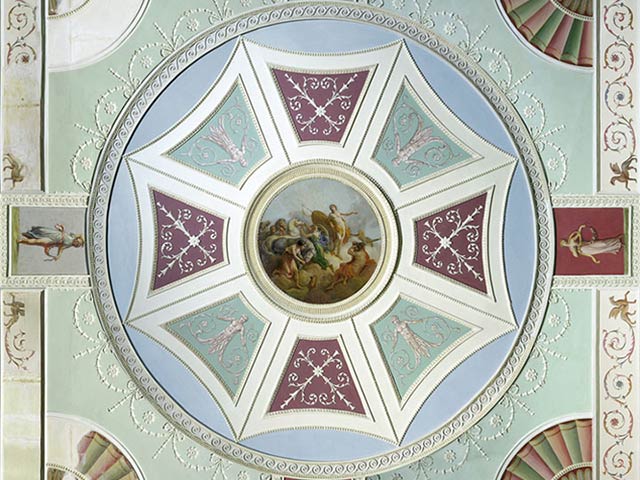
What is the Adam style?
The Adam style was developed in 18th-century Britain by the Adam brothers, architects and interior designers known for their neoclassical vision. Characterized by intricate ornamentation, pastel color schemes, and stucco finishes, the style was rooted in the revival of Renaissance principles combined with local traditions. Across Europe and beyond, Adam-style architecture symbolized elegance and order, and its influence can still be seen in landmark buildings worldwide.
Notable productions at the Winter Garden Theatre
West Side Story, 42nd Street, Mamma Mia! and more
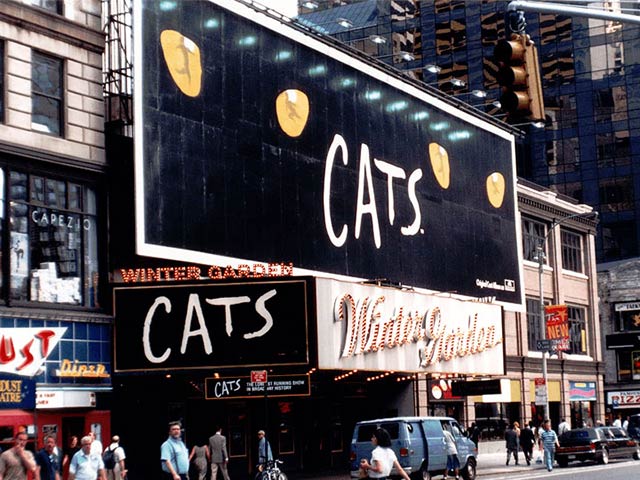
The Winter Garden Theatre is best known as the home of the smash hit musical
Cats. Opening on October 7, 1982, it ran for nearly 18 years with about 7,500 performances, setting a Broadway record for long-running shows. The interior was redesigned to match the show’s iconic set, and after Cats closed, architect Francesca Russo led an extensive restoration to return the theatre to its original 1920s English garden-inspired look.
In 2002, General Motors became the theatre’s corporate sponsor, briefly renaming it the Cadillac Winter Garden Theatre after its luxury brand. The name reverted back in 2007 when the sponsorship ended.
Beyond Cats, the Winter Garden Theatre has hosted Broadway classics such as
West Side Story,
42nd Street, and the Tony-nominated hit
Mamma Mia!. In 2015, it premiered the stage adaptation of the film
School of Rock, another Andrew Lloyd Webber creation, reinforcing the theatre’s enduring connection to the legendary composer.
 Broadway Musical Discount Tickets – On Sale Now!
Find the best Broadway ticket deals right here –
faster, cheaper, and backed by local expertise. Get ready to experience the magic of Broadway!

- Get discount tickets easily with instant booking
- The most detailed musical guides and reviews
- Dedicated support throughout your Broadway experience


 Lines,
50 Ststation (About a 2-minute walk)
Lines,
50 Ststation (About a 2-minute walk)

 Lines,
49 Ststation (About a 5-minute walk)
Lines,
49 Ststation (About a 5-minute walk)