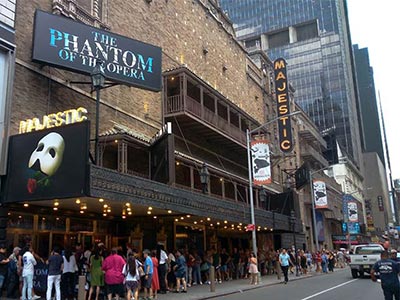
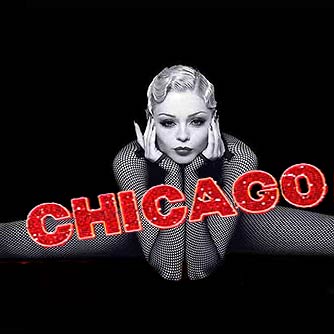
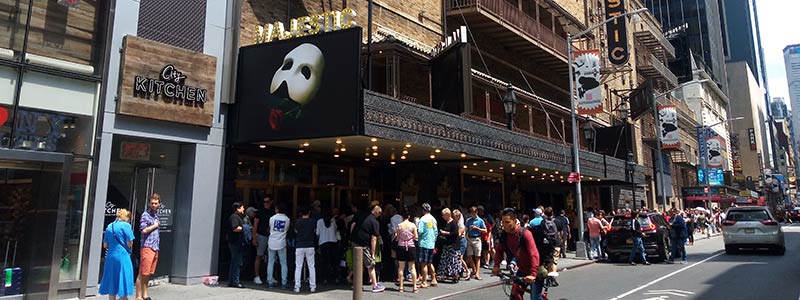
Address, opening, capacity of Majestic Theatre
Basic Information about the Majestic Theatre in NYC
|
Address: |
245 W 44th St, New York, NY 10036(
Map )
Located on 44 Street, between Broadway and 8th Avenue
|
|
Opened: |
1927 |
|
Capacity: |
1,681 seats |
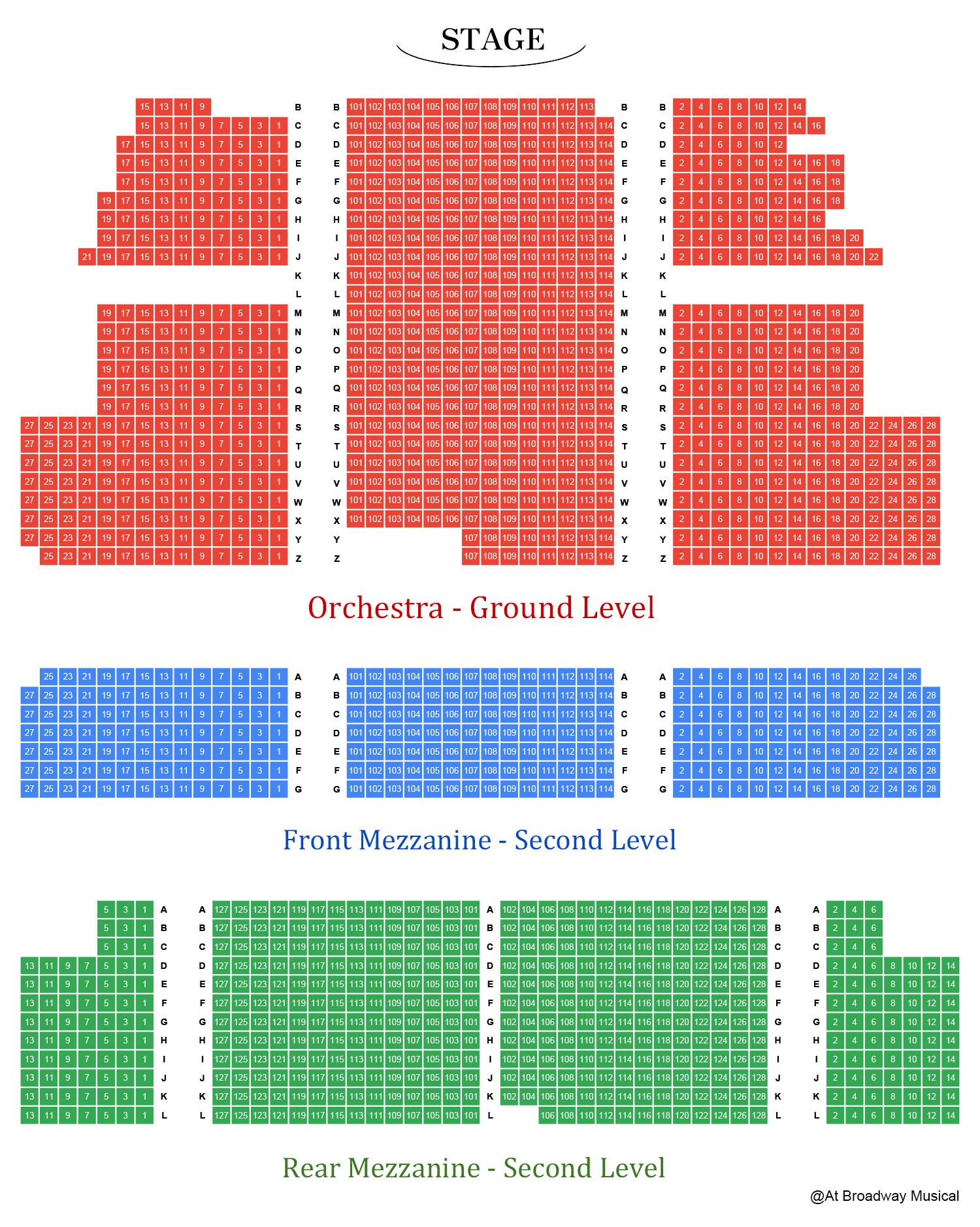
Seating Chart of Majestic Theatre
The Majestic Theatre has a seating capacity of 1,681 seats, divided into three main sections: Orchestra (1st level), Front Mezzanine (2nd level), and Rear Mezzanine (2nd level).
*Click to view larger image
View from the seat of Majestic Theatre
You can view real seat photos from inside the the Majestic Theatre to see the stage from sections. These images help you choose the seating option that best suits your Broadway experience.
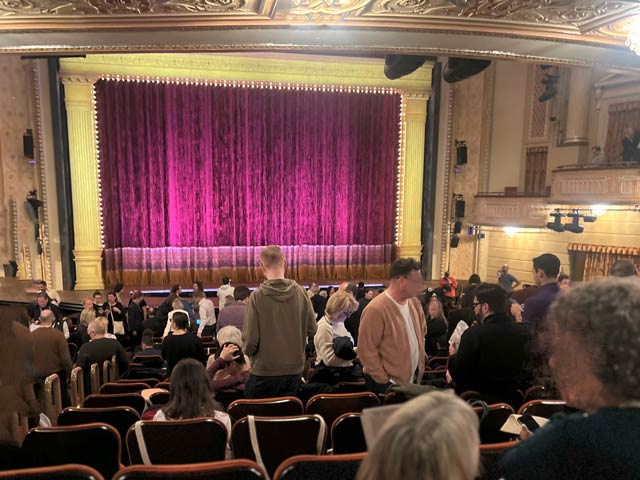
Orchestra Center Row T
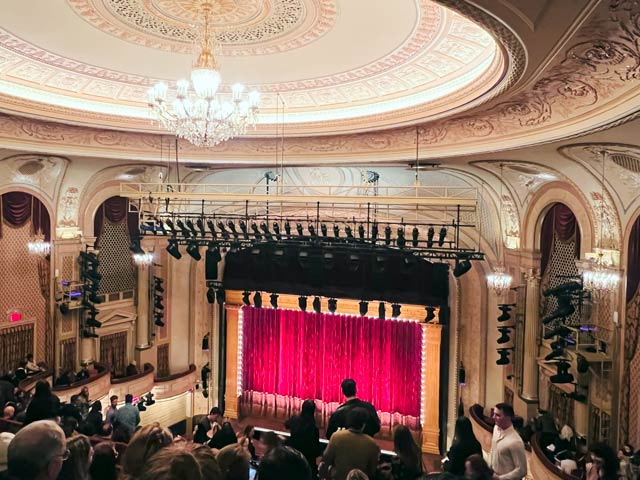
Rear Mezzanine Side Row F
Directions to Majestic Theatre
Access to Majestic Theatre are most commonly by taking the New York City Subway (MTA).
The area around the theatre becomes very crowded close to showtime, so whether you are arriving by subway or taxi, please allow extra time to reach the venue.
Map, location of Majestic Theatre
Here is the map of the Majestic Theatre.
Best hotels near the Majestic Theatre
Discover the best hotels near the Majestic Theatre. Stay within walking distance of Broadway and enjoy easy access to shows, restaurants, and attractions.
The list of recommended hotels near the theater:
History of the Majestic Theatre
Opened as a complex combining three theaters and a hotel
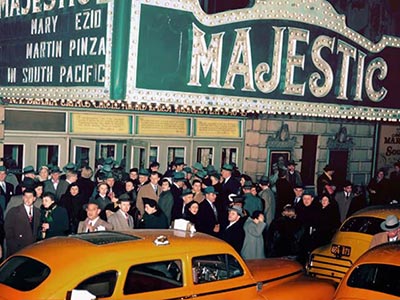
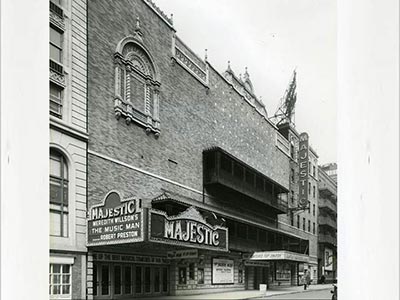
The Majestic Theatre was built in 1927 by the Chanin Brothers, together with architect Herbert J. Krapp, as part of a large complex that combined three theaters and a hotel in the Theater District. Since its opening, the theatre has undergone several renovations, including a major refurbishment in 1988 before the premiere of The Phantom of the Opera, further updates in the 2000s and 2010s to improve seating, lighting, and accessibility, and additional work through 2024 to maintain safety standards and preserve its historic character.
The Chanin Brothers’ unique management style
Irwin and Henry Chanin, known as the Chanin Brothers, were architects who built six theaters on Broadway, including the Majestic.
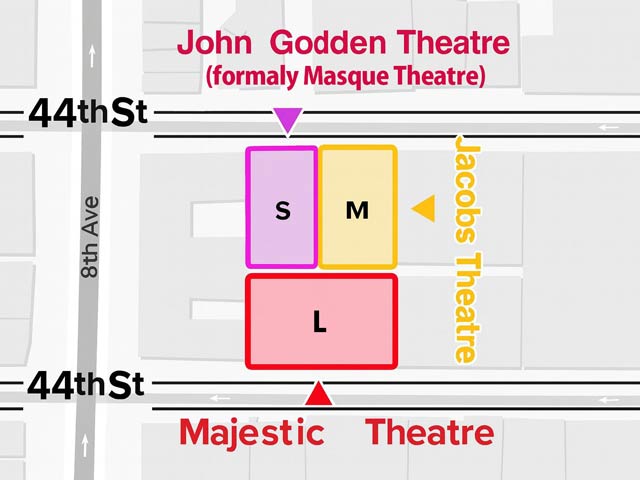
They owned a large plot of land spanning 44th to 45th Street and looked for a way to use it efficiently. Their idea was to build three theaters of different sizes (large: Majestic Theatre, medium: Bernard B. Jacobs Theatre, small: John Golden Theatre) along with the Milford Plaza Hotel (now ROW NYC Hotel) as one project, cutting costs and maximizing revenue across all four facilities.
They also created a system in which each theater staged shows that matched its size, so that ticket sales and audience numbers aligned with the scale of each venue.
Acquired by the Shubert brothers, Broadway’s largest theater operators
When the Great Depression hit in 1929, the Chanin Brothers’ business suffered, and in 1930 they sold all three theaters to the Shubert Brothers. Today, the Shubert Organization continues to own and manage them.
The Shubert Organization, Broadway’s largest theater owner, has been operating since 1900. It now owns and manages 17 Broadway theaters and 2 Off-Broadway theaters, including the Majestic, and is also a leader in Broadway ticket sales and production.
Architectural style of the Majestic Theatre
Herbert Krapp’s Spanish Modern design
Herbert Krapp, one of Broadway’s most prominent theater architects, designed many of the venues that shaped today’s Broadway. Known for his efficient use of space, he introduced stadium-style seating in the Majestic’s orchestra section, adding a slope so every seat had a clear view and the lobby and lounge areas felt more spacious.
The facade combines terra cotta, brickwork, and arched windows in a Spanish Modern style. Its entrance features Palladian architecture, inspired by classical Roman temple symmetry and later European neoclassicism.
What is Palladian architecture?
Palladian architecture derives from the designs of Italian architect Andrea Palladio of Vicenza. It emphasizes symmetry, proportion, and classical Roman temple features such as pediments and columns, blending them with neoclassical elements.
This style spread across Europe and even influenced the United States, most famously seen in Washington D.C.’s White House.
Adam style interiors
The interior of the Majestic Theatre follows the Adam style, an 18th-century British neoclassical design. It features ornate painted decorations and stucco finishes that resemble marble. Many Shubert-built theaters, including the Winter Garden and Barrymore Theatres, also use this interior style.
Plaque honoring Herbert Krapp
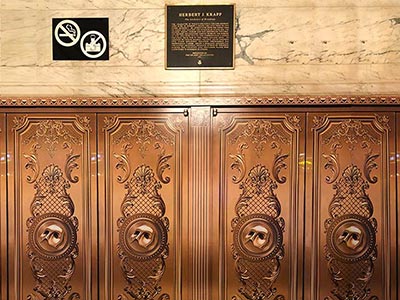
In 1987, both the interior and exterior of the Majestic Theatre designed by Herbert Krapp were registered as New York City Landmarks. To honor him, the Shubert Organization placed a plaque above the Majestic’s entrance that names Krapp “The Architect of Broadway.”
It also lists the names of his mentors Herts & Tallant and the theaters he co-designed with the Shuberts. Krapp is remembered as a master builder whose work shaped Broadway and Times Square.
The Majestic Theatre’s signature show: The Phantom of the Opera
Broadway’s longest-running show
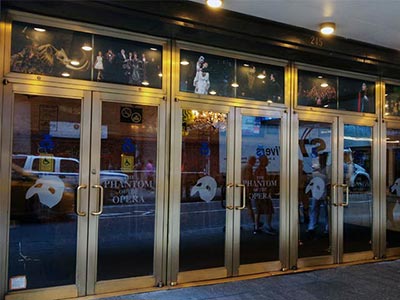
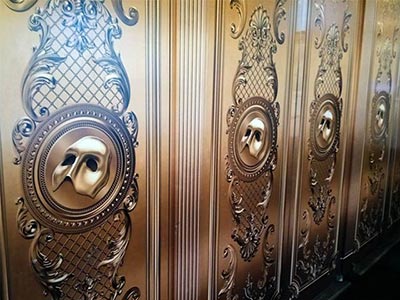
The Majestic Theatre is best known as the home of the legendary musical “The Phantom of the Opera.” Before its 1988 premiere, the Shubert Organization invested over one million dollars to remodel the theater.
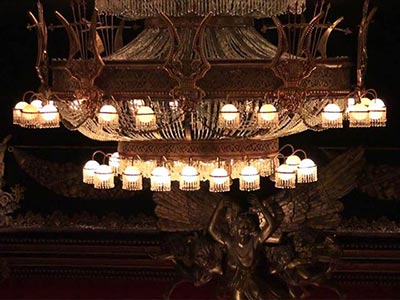
A grand chandelier was added to the ceiling, and the proscenium arch was decorated with sculptures, transforming the interior into a Paris Opera House-inspired setting.
The show won seven Tony Awards, including Best Musical, and was nominated for three more. It holds the record as Broadway’s longest-running production and remains a symbol of New York theater.
 Broadway Musical Discount Tickets – On Sale Now!
Find the best Broadway ticket deals right here –
faster, cheaper, and backed by local expertise. Get ready to experience the magic of Broadway!

- Get discount tickets easily with instant booking
- The most detailed musical guides and reviews
- Dedicated support throughout your Broadway experience











 Lines,
42 St – Times Square / Port Authority Stationstation (About a 5-minute walk)
Lines,
42 St – Times Square / Port Authority Stationstation (About a 5-minute walk)