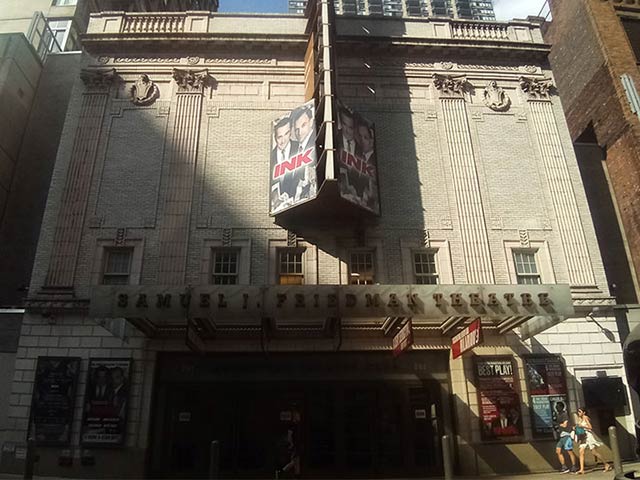
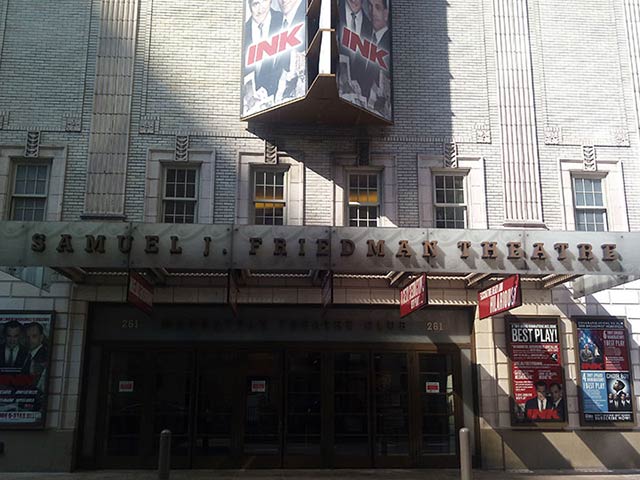
Address, opening, capacity of Samuel J. Friedman Theatre
Basic Information about the Samuel J. Friedman Theatre in NYC
|
Address: |
261 W 47th St, New York, NY 10036(
Map )
Located on 47 Street, between Broadway and 8th Avenue
|
|
Opened: |
1925 |
|
Capacity: |
650 seats |
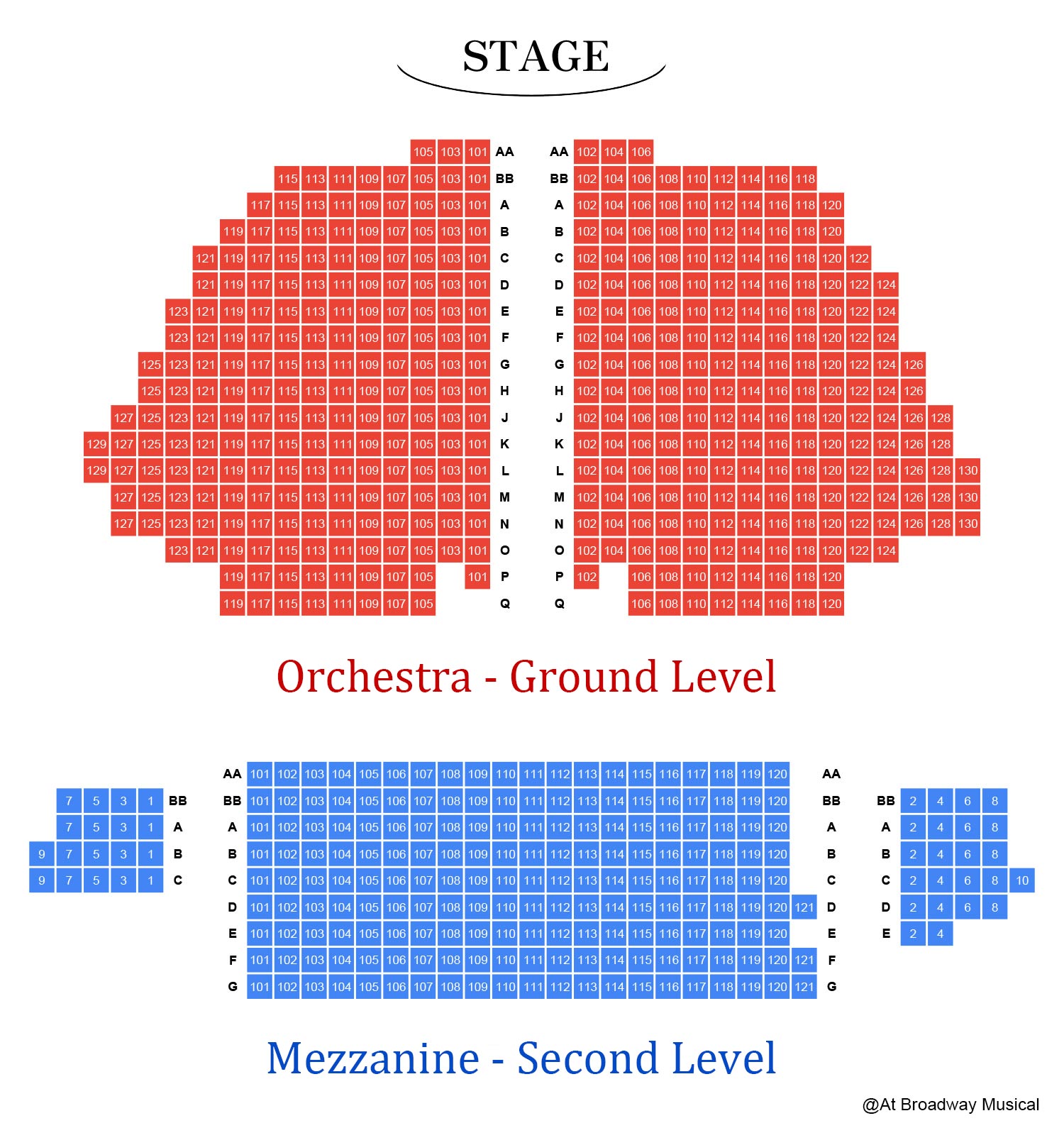
Seating Chart of Samuel J. Friedman Theatre
The Samuel J. Friedman Theatre has a seating capacity of 650 seats, divided into two main sections: Orchestra (1st level) and Mezzanine (2nd level).
*Click to view larger image
Directions to Samuel J. Friedman Theatre
Access to Samuel J. Friedman Theatre are most commonly by taking the New York City Subway (MTA).
The area around the theatre becomes very crowded close to showtime, so whether you are arriving by subway or taxi, please allow extra time to reach the venue.
Nearest Subway Station:

 Lines,
50 Ststation (About a 5-minute walk)
Lines,
50 Ststation (About a 5-minute walk)
 Lines,
50 Ststation (About a 8-minute walk)
Lines,
50 Ststation (About a 8-minute walk)


 Lines,
49 Ststation (About a 5-minute walk)
Lines,
49 Ststation (About a 5-minute walk)
Map, location of Samuel J. Friedman Theatre
Here is the map of the Samuel J. Friedman Theatre.
Best hotels near the Samuel J. Friedman Theatre
Discover the best hotels near the Samuel J. Friedman Theatre. Stay within walking distance of Broadway and enjoy easy access to shows, restaurants, and attractions.
The list of recommended hotels near the theater:
History of the Samuel J. Friedman Theatre
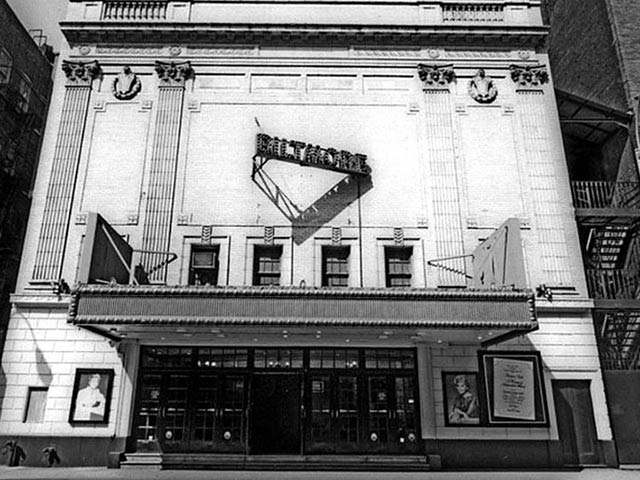
Opened as the Biltmore Theatre in 1925
The Samuel J. Friedman Theatre was originally opened in 1925 as the Biltmore Theatre. It was designed by Herbert J. Krapp, who was responsible for 17 Broadway theatres near Times Square, and commissioned by the Chanin brothers, developers who were also prominent in New York real estate.
In 1929, the Great Depression struck and Broadway was heavily affected. By 1930, the Federal Theatre Project was launched as part of the New Deal, aiming to provide affordable performances for the public while employing out-of-work playwrights, actors, and stagehands. The Biltmore Theatre became one of the venues included in this initiative.
The Chanin brothers, Jewish-American developers, were also known for constructing six Broadway theatres in the early 20th century, helping shape the district during its rise in popularity.
From Warner Brothers to CBS “Studio No. 62”
In 1936, the Biltmore Theatre was acquired by Warner Brothers Entertainment along with producer George Abbott. Over the next 15 years, it hosted comedies and musicals including *Brother Rat*, *What a Life*, *My Sister Eileen*, *Kiss and Tell*, and *The Heiress*.
In 1951, Warner Brothers and Abbott sold the theatre for about $275,000 to developer Irving Maidman. Rather than continuing as a playhouse, Maidman leased it to CBS, which used it as a television and radio studio known as “Studio No. 62.” It was outfitted with more than a dozen broadcast lines and served the network throughout the 1950s.
In 1960, producer David Cogan purchased the Biltmore, returning it to live theatre. Notable productions included Neil Simon’s *Barefoot in the Park* (1963) and the groundbreaking rock musical *Hair* (1968).
*Hair* became the first rock musical on Broadway, earning a nomination for Best Musical at the 1969 Tony Awards and establishing the Biltmore as a key venue in theatre history.
Closed after the 1987 fire
In 1986, David Cogan sold the Biltmore Theatre to Samuel Pfeifer. The following year, in 1987, the building was designated a New York City Landmark.
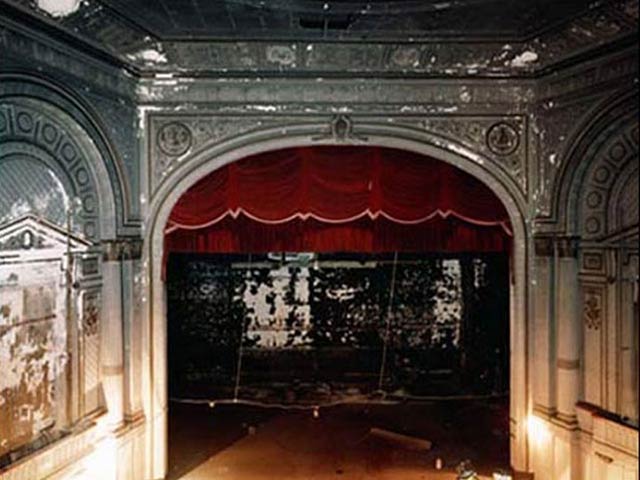
Tragically, just one month later, a fire ravaged the theatre, leaving it badly damaged by flames and water. The cause was never proven, but the incident was recorded as arson. The last production before the fire was the musical *Stardust*. After that, the theatre remained closed and unused for nearly 14 years, standing vacant until 2001.
Rebuilt by Manhattan Theatre Club after the fire
Revival by Manhattan Theatre Club
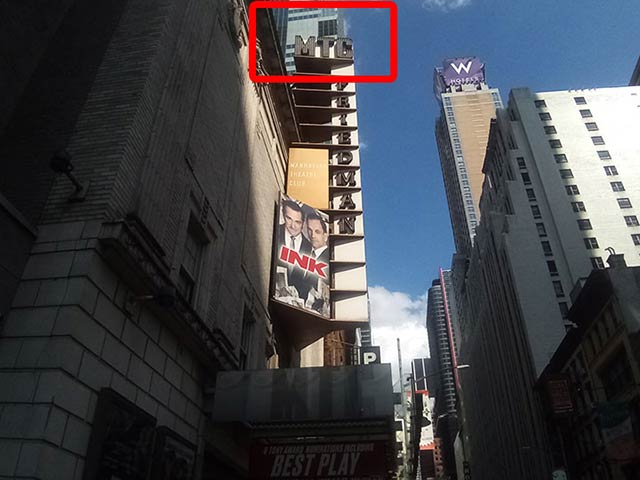
After changing hands more than a dozen times since 1925, the Biltmore Theatre was purchased in 2001 by Manhattan Theatre Club (MTC), a nonprofit theatre company founded in 1970. MTC is dedicated to producing high-quality new plays and has long been committed to supporting playwrights.
In its early years, MTC staged productions in cabaret and nightclub venues, but by the 1980s, the company sought a permanent Broadway home. After a decade of searching, MTC chose the long-abandoned and fire-damaged Biltmore Theatre as its first owned venue.
In 2001, MTC finalized the purchase and launched a major restoration project. The group invested heavily in reviving the building, ensuring both historic preservation and modern upgrades.
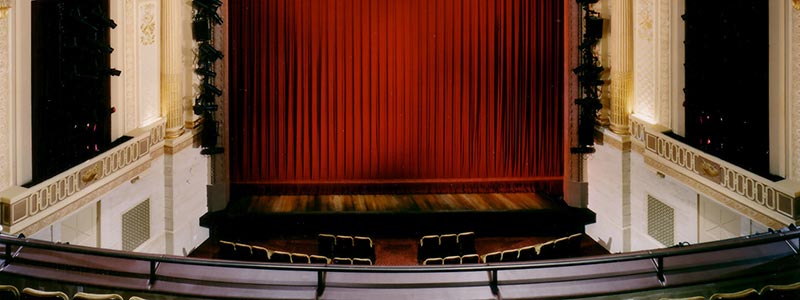
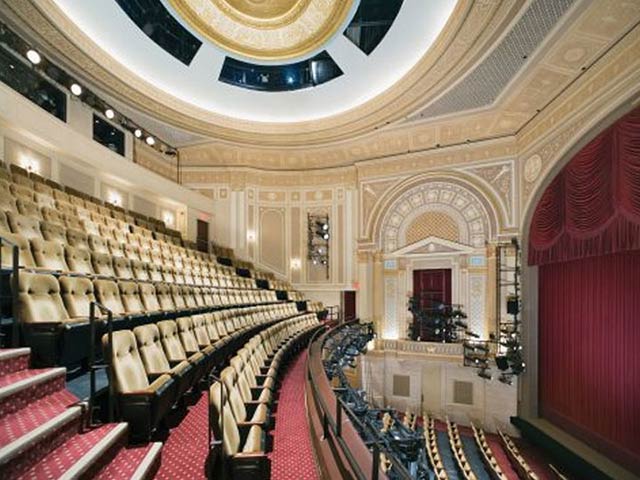
The restoration preserved original landmark features such as the proscenium arch, vaulted ceiling, and two-tiered seating, while modernizing damaged areas. Seating was reduced to about 650, and the interior was upgraded with elevators, rehearsal spaces, and conference rooms. The theatre reopened in 2003 as a revitalized Broadway house.
On September 4, 2008, the venue was officially renamed the
Samuel J. Friedman Theatre in honor of Samuel J. Friedman, a longtime Broadway publicist whose contributions greatly supported the industry.
 Broadway Musical Discount Tickets – On Sale Now!
Find the best Broadway ticket deals right here –
faster, cheaper, and backed by local expertise. Get ready to experience the magic of Broadway!

- Get discount tickets easily with instant booking
- The most detailed musical guides and reviews
- Dedicated support throughout your Broadway experience